


Battery Station How Much? A Clear Cost Breakdown for Your Energy Independence
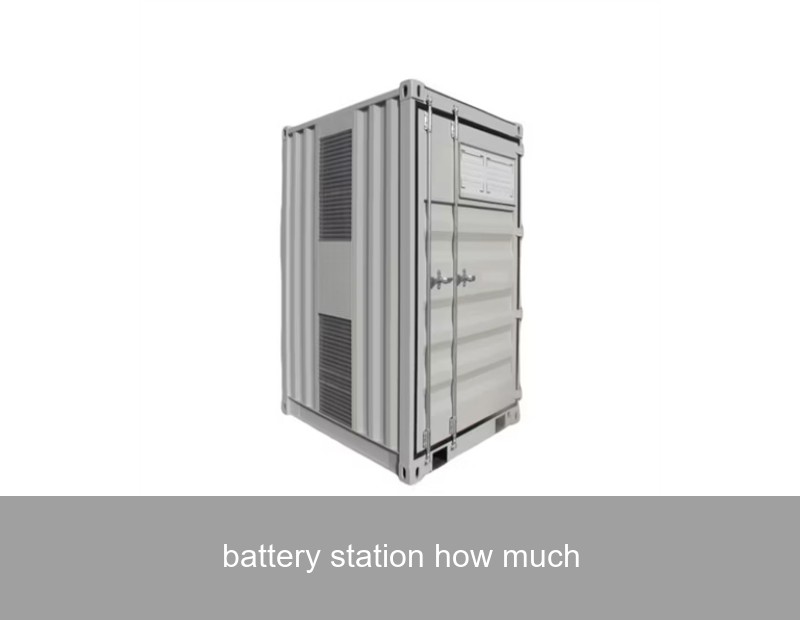
You've decided to explore energy independence. Perhaps your electricity bills are unpredictable, you're concerned about grid reliability, or you want to maximize your solar investment. The solution you keep hearing about is a battery storage system, often called a "battery station." But then comes the big question: Battery station how much? The answer isn't a single number, but understanding the components that drive the cost empowers you to make an informed decision. This guide will demystify the pricing, explore the real value beyond the price tag, and show you how companies like Highjoule are crafting solutions that make this technology a smart, long-term investment.
Table of Contents
- The Price Puzzle: It's More Than Just a Battery Box
- Key Cost Drivers: What You're Really Paying For
- From Numbers to Reality: A California Case Study
- The Highjoule Approach: Engineering Value into Every System
- Looking Beyond the Sticker Price: Total Cost of Ownership
- What's Your Energy Profile?
The Price Puzzle: It's More Than Just a Battery Box
Asking "battery station how much?" is like asking "how much does a house cost?" Location, size, materials, and features all play a crucial role. A typical residential battery storage system in the US or Europe can range from $8,000 to over $25,000 before any incentives or tax credits. This wide range exists because you're not just buying batteries; you're investing in a complete energy ecosystem. The core components include the battery modules themselves, a sophisticated inverter/charger, critical safety systems, professional installation, and intelligent energy management software. The final cost is a combination of these hardware, software, and service elements tailored to your specific energy needs.

Image Source: Unsplash - A modern battery storage installation integrated into a home.
Key Cost Drivers: What You're Really Paying For
Let's break down the main factors that answer the detailed "how much" question.
1. Capacity & Power: Your Energy "Tank" and "Hose"
Think of capacity (measured in kilowatt-hours, kWh) as the size of your fuel tank—it determines how much energy you can store. Power (measured in kilowatts, kW) is the size of the hose—it determines how much energy you can use at once. A larger home with more appliances or a business with high-power machinery will need a system with higher capacity and power, increasing the cost.
2. Technology & Chemistry
Most modern systems use Lithium Iron Phosphate (LFP) chemistry, known for its safety, long lifespan (often over 6,000 cycles), and stability. While sometimes slightly more expensive upfront than older chemistries, LFP's durability offers a lower cost over the system's lifetime, a principle central to Highjoule's product design. Our ResiCore and CommPower series exclusively utilize LFP cells, ensuring our customers get decades of reliable service.
3. Integration Complexity
Is the system being added to existing solar panels (retrofit) or installed as part of a new solar+storage build? Retrofit installations can sometimes be more complex, impacting labor costs. Furthermore, local permitting, utility interconnection fees, and electrical panel upgrades (if needed) are significant, often overlooked parts of the budget.
4. Intelligent Software & Brand Value
The brain of the system is its software. Advanced energy management systems, like Highjoule's SmartHub OS, can optimize every kilowatt-hour—storing solar excess, automatically switching during outages, and even participating in grid services programs (like virtual power plants) to generate revenue. This software intelligence adds value and is a key differentiator in the market.
| Cost Component | Typical Range (Residential) | What It Covers |
|---|---|---|
| Hardware (Battery, Inverter) | $6,000 - $18,000 | Physical equipment, core technology (LFP), warranty. |
| Installation & Labor | $2,000 - $5,000 | Professional installation, electrical work, permitting support. |
| Additional Costs (Potential) | $1,000 - $5,000+ | Electrical panel upgrade, critical loads sub-panel, extended warranty. |
| Total Before Incentives | $8,000 - $28,000+ | Fully installed and operational system. |
From Numbers to Reality: A California Case Study
Let's move from theory to practice. Consider a real-world scenario from California, a leader in residential storage adoption. A family in Sacramento with a 7 kW solar array and an average monthly bill of $180 decided to add storage primarily for backup power during Public Safety Power Shutoffs (PSPS).
- System Installed: A 13.5 kWh battery station with a 7.6 kW inverter.
- Upfront Cost (Before Incentives): Approximately $16,500.
- Incentives Applied: Federal Investment Tax Credit (ITC) of 30% ($4,950) + California's SGIP rebate (approx. $3,000).
- Final Net Cost: ~$8,550.
This system powers their critical loads (refrigerator, lights, communications, one AC circuit) for over 24 hours. In its first year, it provided backup during two outages totaling 32 hours and optimized their solar self-consumption, reducing their annual electricity costs to nearly zero. The payback period, when factoring in bill savings and avoided losses from outages, is projected to be under 7 years. On a system with a 15+ year lifespan, the long-term value is clear. For more on grid resilience, see the U.S. Department of Energy's resources.
The Highjoule Approach: Engineering Value into Every System
At Highjoule, we believe the right question evolves from "battery station how much?" to "what value does it deliver?" Our engineering philosophy focuses on Total Cost of Ownership (TCO). We design systems that last longer, perform more efficiently, and adapt to your changing needs.
Our Industrial Energy Platform (IEP) for commercial clients exemplifies this. It's not a one-size-fits-all product but a modular, scalable solution. A mid-sized manufacturing plant in Germany, for instance, deployed a 250 kWh Highjoule IEP to manage demand charges—the fees based on their highest 15-minute power draw each month. By intelligently discharging the battery during peak operational periods, the system reduced their demand charges by 22% in the first year, translating to tens of thousands of Euros in annual savings. The system's robust design and Highjoule's 24/7 monitoring service ensure it operates at peak efficiency, maximizing the financial return.
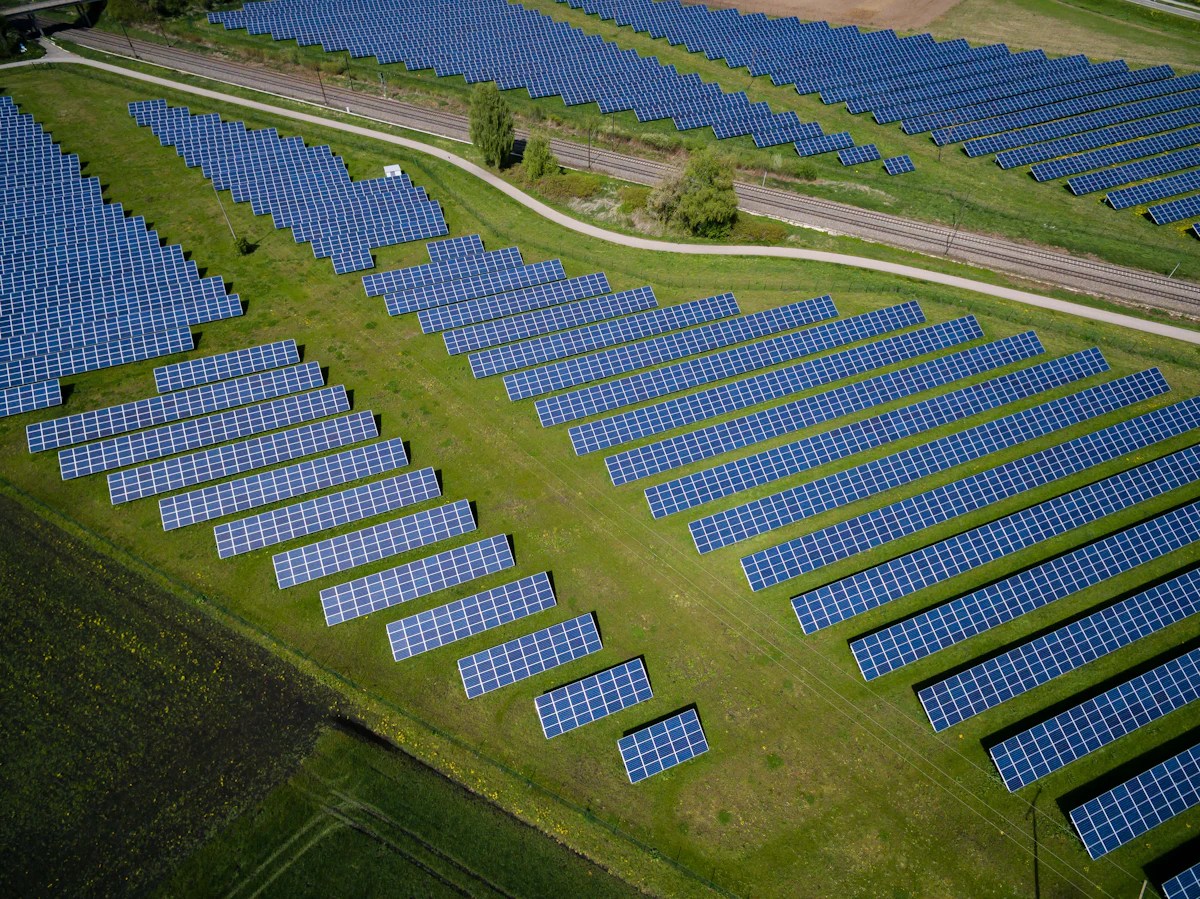
Image Source: Unsplash - Modular industrial battery storage units.
Looking Beyond the Sticker Price: Total Cost of Ownership
When evaluating quotes, consider these value-based questions:
- Lifespan & Warranty: Does the warranty guarantee both capacity retention and years of service? Highjoule offers industry-leading 10-year warranties that guarantee the battery will retain at least 70% of its original capacity.
- Efficiency: A system with 96% round-trip efficiency wastes less energy when charging and discharging than one with 90% efficiency. This difference compounds over time, putting more saved energy back in your pocket.
- Software & Upgradability: Can the system's brain receive over-the-air updates to access new features or grid service programs? Our SmartHub OS is designed for future evolution.
- Service & Support: What happens after installation? Look for providers with proven remote diagnostics and local service networks. The Solar Energy Industries Association (SEIA) provides excellent guidance on choosing a qualified installer.
What's Your Energy Profile?
The journey to answering "battery station how much?" starts with understanding your own energy story. How does your consumption spike throughout the day? What are your primary goals—backup power, bill savings, or supporting the grid's transition to renewables? We encourage you to look at your last 12 months of utility bills and identify your single highest bill. What caused that peak, and how could a controlled, intelligent energy reserve have changed it?
To get a clearer picture of the potential for your specific home or business, what is the first question about your energy use you'd like to solve?
 Inquiry
 Online Chat