


Bay Area Solar: How Much Does It Really Cost and Save in 2024?
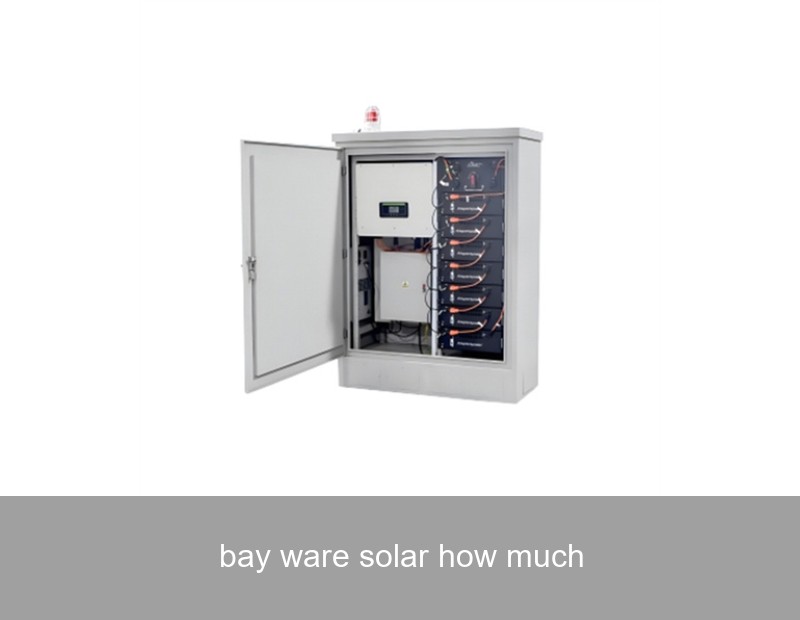
If you're a homeowner in San Francisco, San Jose, or anywhere across the Bay Area, you've likely asked the question: "Bay Area solar, how much?" It's more than just a price tag for panels. It's about understanding your long-term energy independence, navigating incentives, and choosing a system that aligns with California's clean energy goals. The initial investment might surprise you, but the real story is in the decades of savings, resilience against grid outages, and contributing to a sustainable future. Let's break down the numbers and factors that define the true cost and value of solar in the Bay today.
Table of Contents
The 2024 Bay Area Solar Cost Breakdown
So, "bay area solar how much?" As of 2024, the average cost for a residential solar system in the Bay Area ranges from $18,000 to $32,000 before incentives, for a typical 6kW to 8kW system. The price per watt is generally between $2.80 and $3.50, influenced by high local demand, labor costs, and the quality of equipment chosen. This figure isn't random; it's built from several key components:
- Equipment (Solar Panels & Inverters): High-efficiency panels (22%+), like monocrystalline silicon, cost more but produce more energy in limited roof space—a key consideration for many Bay Area homes.
- Installation Complexity: Roof pitch, material, and the need for electrical panel upgrades can add to the cost.
- Permitting and Interconnection: Local city permits and PG&E interconnection fees are part of the process.
However, the federal Investment Tax Credit (ITC) immediately reduces this cost by 30%. California also has no sales tax on solar installations. When you apply the ITC, the net investment for that average system drops to a range of approximately $12,600 to $22,400.

Image: Modern solar installations maximize energy production on Bay Area rooftops. Credit: Andreas Gücklhorn/Unsplash.
The Savings Reality: NEM 3.0 and Your ROI
The biggest shift in calculating "how much" solar is worth came with California's Net Energy Metering (NEM) 3.0 policy, effective April 2023. Under NEM 2.0, you received near-retail credit for excess solar sent to the grid. NEM 3.0 reduces the export credit rate by about 75%, making it less profitable to send power back to PG&E during the day.
What does this mean for your savings? The payback period for a solar-only system has lengthened. The new economics incentivize consuming your solar power the moment you produce it. This fundamentally changes the equation: to maximize financial returns and energy security, pairing solar with a battery storage system is no longer a luxury—it's a strategic necessity. With a battery, you store your excess daytime energy and use it in the evening during peak rates ($0.40-$0.60 per kWh), avoiding high grid imports and making the most of your solar investment.
A Real Bay Area Case Study: The Martinez Residence
Let's move from theory to practice. The Martinez family in Oakland installed a 7.6kW solar array in early 2022, just before the NEM 3.0 cutoff. Their pre-solar average PG&E bill was $220/month. After going solar, their true-up bill for the first year was $450—essentially $37.50 per month, an 83% reduction.
However, they were concerned about resilience during PSPS events and wanted to further reduce grid reliance. In 2024, they added a Highjoule Horizon 10 home battery system. The results were transformative:
| Metric | Solar-Only (2023) | Solar + Highjoule Battery (2024) |
|---|---|---|
| Monthly Grid Energy Cost | $37.50 | $12.20 |
| Grid Independence During Peaks | ~40% | ~90% |
| Backup Power During Outage | None | 24+ hours for critical loads |
Their combined system is now projected to pay for itself in under 9 years, and with a 25-year panel life and 15-year battery warranty, they've secured decades of low-cost, reliable power. This case highlights the modern answer to "how much": the value is greatest in an integrated solar-plus-storage solution. For deeper insights into California's energy policies, you can review reports from the California Public Utilities Commission.
Why a Battery is Now Essential for Bay Area Solar
Under NEM 3.0, the financial logic is clear. But for Bay Area residents, the reasons go beyond dollars. Think about:
- Public Safety Power Shutoffs (PSPS): Wildfire risk leads to proactive grid shutdowns. A battery keeps your lights on and fridge running.
- Grid Peak Rates: PG&E's peak rates (4-9 pm) are when solar production falls. A battery discharges stored energy, shielding you from the highest costs.
- Energy Independence: You become a personal microgrid, less vulnerable to grid fluctuations and price hikes.
Choosing the right battery is crucial. It's not just about capacity (kWh), but power output (kW – how many appliances you can run at once), durability, and intelligent software that optimizes for savings and resilience.
The Highjoule Solution: Smart, Integrated Energy Storage
This is where Highjoule's expertise comes in. Since 2005, we've been at the forefront of advanced energy storage technology globally. For the Bay Area homeowner, our Horizon Home Energy Storage System is engineered for the specific challenges of the California market.
The Highjoule Horizon isn't just a battery box; it's an intelligent energy manager. Its AI-driven software learns your household's energy patterns and automatically optimizes when to store solar energy, when to power your home, and when to draw from the grid—always prioritizing your savings and preparedness. With a compact, UL-listed design, scalable capacity from 10kWh to 30kWh, and a seamless integration with any new or existing solar system, it provides a future-proof answer. We handle everything from design and permitting to installation and ongoing monitoring, ensuring you get the maximum benefit from your investment. Learn more about battery storage technology from the U.S. Department of Energy.

Image: Professional installation of a home battery storage unit. Credit: Kindel Media/Pexels.
What's Your Home's Solar Potential?
The question "bay area solar how much?" is deeply personal. It depends on your roof, your energy consumption, your resilience goals, and your vision for a sustainable home. With NEM 3.0, the era of simply offsetting bills is over. The new era is about intelligent generation, storage, and consumption.
So, we leave you with this: If you could design your home's energy system to not only cut costs but also guarantee power for your family when the grid goes down, what features would be non-negotiable for you? Is it keeping medical equipment running, preserving food during an outage, or simply ensuring your home remains a safe and comfortable haven no matter what happens outside?
 Inquiry
 Online Chat