


Finding the Best Solar Power Inverter: Your Guide to Maximizing Solar Investment
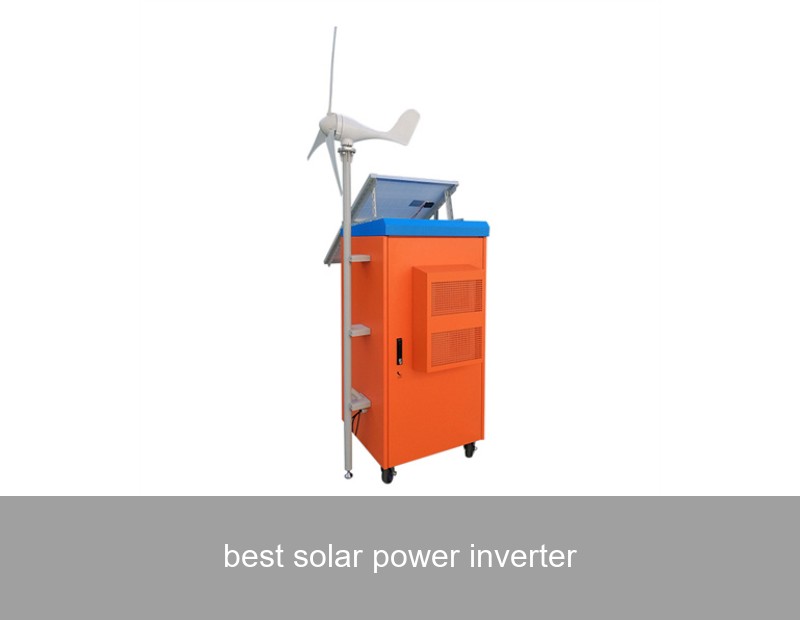
So, you've decided to go solar. You've researched panels, calculated your roof space, and dream of energy independence. But here's a question: are you giving the same level of attention to the best solar power inverter? Often called the "brain" of a solar system, the inverter is where the magic of conversion happens—turning the DC electricity from your panels into usable AC power for your home or business. Choosing the right one isn't just a technical detail; it's the single biggest factor determining your system's efficiency, reliability, and long-term financial return. Let's demystify what makes an inverter truly "the best" for your specific needs.
Table of Contents
Why Your Inverter Choice Matters More Than You Think
Think of your solar panels as a team of athletes. The inverter is the coach. A poor coach means wasted potential, regardless of the athletes' talent. A 2023 study by the National Renewable Energy Laboratory (NREL) highlighted that inverter-related issues are among the top causes of solar system underperformance and downtime. The best solar power inverter does more than just convert current; it actively maximizes energy harvest, monitors system health, and ensures safe grid interaction.
For over 18 years, Highjoule has engineered solutions around this core component. We've seen that the difference between a standard and a premium inverter can translate to 5-15% more annual energy production. Over a system's 20+ year lifespan, that's a massive amount of clean energy—and savings—left on the table.
Solar Inverter Types Compared: From String to Hybrid
Your first major decision is the inverter topology. Each has pros and cons, suited to different scenarios.
| Type | How It Works | Best For | Considerations |
|---|---|---|---|
| String Inverter | Connects a series ("string") of panels to a single central inverter. | Simple, unshaded roof spaces; most cost-effective upfront. | Shade on one panel can affect the whole string's output. |
| Microinverter | A small inverter on each panel, converting DC to AC right there. | Roofs with partial shading, complex layouts; maximizes each panel's output. | Higher initial cost, but often better long-term yield and panel-level monitoring. |
| Power Optimizer System | Optimizers at each panel condition DC power, sent to a central string inverter. | A balance between string and micro; mitigates shading issues. | Offers panel-level optimization with a centralized inverter point. |
| Hybrid/Battery Inverter | Manages solar, battery storage, and grid power in one intelligent unit. | Anyone planning or considering adding battery storage for backup or self-consumption. | Essential for future energy resilience. The core of modern systems. |
The trend, especially in markets like Europe and the U.S. with volatile energy prices, is decisively moving towards hybrid systems. This is where Highjoule's expertise shines. Our HPS Series Hybrid Power Systems are built around a sophisticated multi-mode inverter that doesn't just think about today's solar yield, but manages your entire energy ecosystem: prioritizing solar self-consumption, intelligently charging/discharging batteries based on tariffs, and providing seamless backup power during outages.

A modern hybrid inverter system, like Highjoule's HPS Series, integrates seamlessly with battery storage for full energy control.
Key Features of the Best Solar Power Inverters
Beyond type, what specs should you scrutinize?
- Efficiency (Peak & Weighted): Look for weighted efficiencies (EURO or CEC) above 97%. Highjoule's inverters consistently achieve 98.5%+, ensuring minimal energy loss.
- Warranty & Reliability: A 10+ year warranty is standard for premium brands. We back our commercial units with up to 15 years, reflecting confidence in component quality and thermal management.
- Smart Grid & Software Intelligence: Can it communicate with the grid for demand response? Does its software provide actionable insights? Our Highjoule EnergyOS platform turns inverter data into strategies, showing you exactly how to shift usage to save money.
- Scalability & Future-Readiness: Can you easily add more panels or batteries later? Modular design is key.
Real-World Impact: A German Bakery's Story
Let's move from theory to practice. A family-run bakery in Bavaria, Germany, was facing crippling energy costs and wanted to stabilize operations. Their goal: maximize solar self-consumption to power refrigeration and ovens, and ensure no downtime.
The Solution: A Highjoule system featuring a 50kW hybrid inverter paired with a 120kWh battery storage unit. The inverter's advanced logic was programmed to:
- Use solar power as the first priority for all daytime operations.
- Charge the battery with excess solar, then discharge it during high evening tariff periods.
- Maintain a critical backup power circuit for cold storage, guaranteed even during multi-day grid outages.
- Self-Consumption Rate: Increased from 35% (with solar only) to 92% (with inverter+battery intelligence).
- Grid Energy Cost Reduction: 78% decrease in net electricity costs.
- ROI Timeline: Projected payback period of under 6 years, thanks to Germany's high energy prices and the system's efficiency.
Future-Proofing Your System: The Inverter's Evolving Role
The grid is changing. With vehicle-to-grid (V2G) and complex utility tariffs emerging, your inverter needs to be a smart grid citizen. Modern inverters must support functions like frequency regulation and dynamic power export limiting.
Highjoule designs with this future in mind. Our inverters are firmware-upgradable to adapt to new grid codes and can integrate with third-party devices (like EV chargers) through open protocols. Investing in a "smart" inverter today protects your system from becoming obsolete tomorrow.

The best solar inverters are designed to integrate with future technologies, like EV charging, creating a cohesive home energy system.
Making the Final Choice: Questions to Ask
Before you decide, ask your installer (or yourself) these crucial questions:
- Does this inverter's topology match my site's shading and layout?
- If I might want a battery in 2 years, will this inverter accommodate it easily and cost-effectively?
- What is the weighted efficiency, not just the peak?
- How intuitive and powerful is the monitoring software? Can I use it to make financial decisions?
- Does the manufacturer have a proven track record in my region (e.g., UL certification in the U.S., CE in Europe)?
At Highjoule, we believe the best solar power inverter is one you don't have to worry about. It works silently, efficiently, and intelligently for decades, forming the robust heart of your clean energy transition. Our global team provides tailored solutions—from residential HPS-Home units to commercial HPS-Industrial systems—ensuring you get not just a component, but a holistic energy strategy.
Ready to see what a truly intelligent inverter can do for your energy profile? What's the biggest challenge you're hoping a solar and storage system will solve for you?
 Inquiry
 Online Chat