


Calefacción Solar Fotovoltaica: Your Complete Guide to Heating with Sunshine
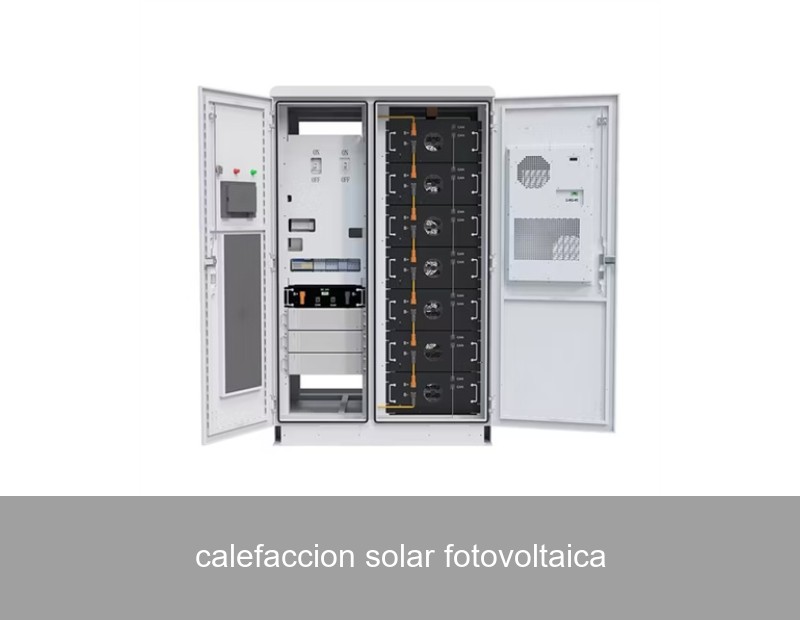
Imagine a winter where your heating bill doesn't spike with the falling temperatures. What if the very sunshine that brightens a cold day could also warm your home or business? This isn't futuristic thinking; it's the practical reality of calefacción solar fotovoltaica (photovoltaic solar heating). As energy costs in Europe and North America remain volatile and the push for decarbonization intensifies, combining solar PV with intelligent electric heating systems is emerging as a game-changer for sustainable comfort. This guide will demystify how this technology works, showcase its real-world impact, and explore how advanced energy storage is making it a reliable, year-round solution.
What is Photovoltaic Solar Heating?
Unlike traditional solar thermal systems that use collectors to heat water directly, calefacción solar fotovoltaica uses photovoltaic (PV) panels to generate electricity. This electricity then powers various electric heating appliances, such as heat pumps, electric boilers, or infrared heaters. The core principle is elegant: convert sunlight into electricity, and then convert that electricity into heat precisely where and when you need it.
This method offers remarkable flexibility. The electricity generated can be used immediately to run a heat pump (the most efficient option), stored in a battery for later use, or even fed back to the grid. For regions like Southern Europe or sunbelt states in the U.S., this means directly offsetting a significant portion of winter heating costs with free solar energy. In less sunny climates, it substantially reduces reliance on the grid, pairing perfectly with air-source heat pumps that maintain high efficiency even in cold weather.
How Does a PV Heating System Work?
Let's break down the process into a simple, step-by-step logic ladder:
- Step 1: Energy Capture – Solar PV panels on your roof absorb photons from sunlight, generating direct current (DC) electricity.
- Step 2: Energy Conversion – An inverter converts the DC electricity into alternating current (AC) that your home's electrical system can use.
- Step 3: Intelligent Distribution – A smart energy manager (a crucial piece of the puzzle) directs this solar electricity. Priority goes to powering your heating system in real-time.
- Step 4: Heat Generation – The electricity powers your chosen heating device. A modern air-to-water heat pump, for example, can deliver 3-4 kWh of heat for every 1 kWh of electricity it consumes, massively amplifying your solar yield.
- Step 5: Storage & Optimization – Any excess solar energy not used immediately for heating is stored in a home battery storage system. This stored energy can then be used to provide heat during the evening or on cloudy days, dramatically increasing self-consumption and energy independence.
Key System Components: Beyond the Panels
A robust calefacción solar fotovoltaica system is more than just panels and a heater. It's an integrated ecosystem:
- High-Efficiency PV Panels: Generate the maximum possible electricity from available roof space.
- Smart Hybrid Inverter: Manages energy flow between panels, battery, grid, and home circuits.
- Intelligent Heating Device: Preferably a modulating heat pump that can adjust its output to match both heating demand and available solar power.
- Advanced Battery Storage (The Game-Changer): This is where the system transitions from good to exceptional. Storage bridges the gap between solar production peaks and heating demand peaks.
Speaking of storage, this is a critical juncture. Many systems fail to reach their potential because they lack sophisticated storage. This is precisely where Highjoule transforms the equation. As a global leader in advanced energy storage systems since 2005, Highjoule's HES Series residential battery systems are engineered for high cycling and thermal stability, making them ideal for the constant charge-discharge cycles of a heating-focused solar system. Their integrated energy management software ensures that every kilowatt-hour of solar energy is used optimally, prioritizing heat generation and home efficiency.
A Real-World Case Study: The Alpine Lodge, Colorado, USA
Theory is one thing; hard data is another. Consider a compelling example from a climate with harsh winters: a 250 sqm mountain lodge in Colorado, USA.
The Challenge: The lodge relied on an old propane boiler, with annual heating costs exceeding $2,800. The owners wanted to decarbonize and reduce operating costs, but were concerned about solar reliability during snowy winters and peak evening heat demand.
The Solution: A contractor installed a 15 kW solar PV array, a 12 kW air-source heat pump, and paired it with a Highjoule HES-20 battery system (20 kWh capacity). The Highjoule system's key feature was its low-temperature performance and smart grid-charging logic, allowing it to pre-charge from the grid using off-peak rates when prolonged poor weather was forecast.
The Data-Driven Outcome (First Year):
| Metric | Result |
|---|---|
| Annual Heating Cost Reduction | 78% (from $2,800 to ~$615) |
| Solar Self-Consumption Rate | Increased from 35% to 92% with the battery |
| Grid Independence during Winter Evenings | Up to 15 hours of heat from stored solar |
| Annual CO2 Emissions Reduction | Approx. 6.2 metric tons |
This case, documented in part with data from the National Renewable Energy Laboratory (NREL) report on PV-coupled heat pumps, illustrates the transformative impact of integrating robust storage. The lodge didn't just add solar; it created a resilient, self-optimizing energy system.

A modern home with solar panels in a snowy climate, demonstrating the viability of PV systems for year-round energy needs, including heating.
The Highjoule Advantage: Making Solar Heat Reliable 24/7
For calefacción solar fotovoltaica to be a primary heat source, reliability is non-negotiable. Highjoule's expertise in commercial, industrial, residential, and microgrid storage directly addresses this. Their products are not commodity batteries; they are intelligent power platforms.
For the residential market, the HES Series offers scalable capacity (10-30 kWh per unit) and uses stable, long-life Lithium Iron Phosphate (LFP) chemistry. For larger commercial or microgrid applications—think agricultural storage facilities, small factories, or off-grid communities—Highjoule's CIS Series containerized integrated storage solutions provide megawatt-scale capacity. These systems can manage multiple energy inputs (solar, wind, grid) and prioritize output to critical loads like heating ventilation, ensuring business continuity.
The true magic lies in the software. Highjoule's Adaptive Energy Operating System (AEOS) uses weather forecasting and usage learning to create intelligent charge/discharge strategies. In simple terms, if it knows a cold, cloudy spell is coming tomorrow, it will strategically conserve solar energy today to ensure you have ample stored heat power for the coming days. This level of foresight is what separates a basic setup from a truly smart, dependable home energy system.
Key Considerations for Your Project
Thinking of adopting calefacción solar fotovoltaica? Here’s a quick checklist:
- Energy Audit: Understand your building's heat load. Good insulation is the foundation that makes any heating system efficient.
- Heating Device Choice: A heat pump is the most synergistic partner for PV, due to its high coefficient of performance (COP). For smaller spaces or spot heating, efficient infrared panels can also be a good fit.
- Storage Sizing: This is critical. Your storage capacity should be sized to cover your heating (and general electricity) needs through the night and typical periods of low solar generation. A qualified installer, especially one experienced with Highjoule systems, can model this perfectly.
- Financial Incentives: In both the EU (via various national programs) and the U.S. (through the Inflation Reduction Act's home energy rebates and tax credits), significant subsidies exist for solar PV, heat pumps, and battery storage, dramatically improving ROI.

Professional installation of a wall-mounted battery storage unit, a key component for maximizing self-consumption of solar energy for heating.
Ready to Harness the Sun for Your Warmth?
The technology for clean, affordable, and independent heating is here today. Calefacción solar fotovoltaica, backed by robust energy storage from leaders like Highjoule, is more than an upgrade—it's a reimagining of how we power our comfort. It turns your home or business into a personal power plant, resilient to grid fluctuations and fossil fuel prices.
What's the first step you could take this season to move away from volatile heating bills and towards energy sovereignty?
 Inquiry
 Online Chat