


Colectores Solares para Calefacción: Your Guide to Efficient Solar Thermal Heating
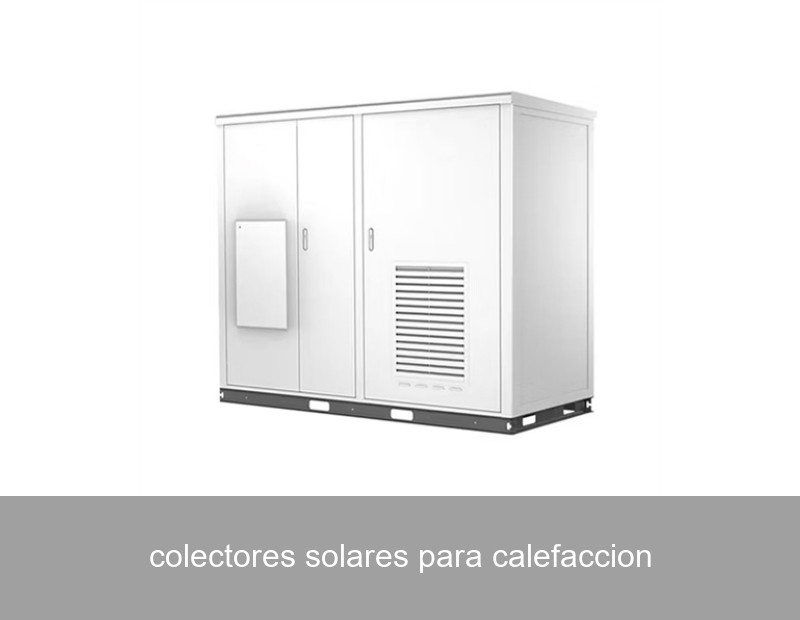
As energy costs continue to rise and the push for sustainability grows stronger, homeowners and businesses across Europe and North America are seeking reliable, clean alternatives for their heating needs. One technology, often overshadowed by its photovoltaic cousin, is making a significant comeback: colectores solares para calefacción, or solar thermal collectors for heating. This isn't about generating electricity; it's about capturing the sun's heat directly to warm your spaces and water, offering a remarkably efficient path to energy independence. In this guide, we'll explore how this mature technology integrates with modern energy systems, like the advanced battery storage solutions from Highjoule, to create resilient and cost-effective heating solutions for your home or business.
Table of Contents
How Do Solar Thermal Collectors for Heating Work?
The principle is elegantly simple. Think of a garden hose left in the sun: the water inside gets hot. Colectores solares para calefacción take this concept and engineer it for maximum efficiency. A typical system consists of three main components:
- The Collector: Mounted on your roof, it absorbs solar radiation. Inside, a heat transfer fluid (often a water-glycol mix) circulates through tubes, getting heated by the sun.
- The Heat Exchange System: The hot fluid travels to a heat exchanger inside a storage tank, transferring its thermal energy to your domestic hot water or hydronic heating system.
- The Storage Tank & Backup: A well-insulated tank stores the heated water for use when needed. A conventional boiler or heat pump typically serves as a backup for cloudy periods.
This direct conversion of sunlight to heat is incredibly efficient, with modern collectors converting 60-80% of the sun's radiation into usable thermal energy. That's a significantly higher conversion rate than most photovoltaic panels for electricity.
Types of Solar Thermal Collectors
Not all collectors are created equal. The right choice depends on your climate, heating needs, and budget.
| Type | Best For | Key Characteristics |
|---|---|---|
| Flat Plate Collectors | Moderate climates, domestic hot water | Cost-effective, robust, good all-around performance. |
| Evacuated Tube Collectors | Colder climates, space heating support | Higher efficiency in low light/winter, less susceptible to heat loss. |
| Unglazed Collectors | Pool heating (primarily) | Low-cost, no cover, ideal for low-temperature applications. |
System Integration: Beyond Just the Collector
The true magic of a modern heating system lies in integration. A colectores solares para calefacción system rarely works in isolation. It's part of a holistic energy ecosystem. This is where intelligent energy management becomes crucial. For instance, on a sunny winter day, your solar thermal system might cover 100% of your hot water and 40% of your space heating. But what about managing the rest of your home's energy flow?
This is a challenge Highjoule addresses directly. While we are a global leader in advanced battery energy storage systems (BESS), our vision is for fully integrated, smart homes and businesses. Imagine a system where your solar thermal panels handle heating, your PV panels generate electricity, and a Highjoule residential battery system intelligently stores excess solar electricity. Our AI-driven energy management platform can then optimize this stored power to run your heat pump's compressor more efficiently during expensive peak hours or when solar thermal input is low, creating a seamless, automated, and ultra-efficient renewable heating and power hub.

Image Source: Unsplash - A modern home integrating various renewable technologies.
Real-World Impact: A Case Study from Bavaria, Germany
Let's look at concrete data. The International Energy Agency's Solar Heating and Cooling Programme (IEA SHC) documents numerous successful implementations. One compelling example is a medium-sized dairy farm in Bavaria.
The Challenge: The farm required large amounts of hot water for cleaning and pasteurization, alongside space heating for barns, leading to high and volatile natural gas costs.
The Solution: They installed a 120 m² array of evacuated tube colectores solares para calefacción, coupled with a 20,000-liter thermal storage tank. This system was integrated with their existing biomass boiler as a backup.
- Energy Savings: Reduced natural gas consumption by 72%.
- CO2 Reduction: Cut carbon emissions by approximately 48 tonnes.
- Payback Period: Achieved a return on investment in under 7 years, thanks in part to German renewable energy incentives (BAFA grants).
This case shows the potent scalability of solar thermal technology for commercial and industrial applications, a sector where Highjoule's commercial BESS solutions also excel in managing electrical loads and maximizing on-site renewable consumption.
The Financial and Environmental Equation
Investing in solar thermal heating is both an economic and environmental decision. Upfront costs vary but are often offset by:
- Substantially Lower Utility Bills: Solar heat is free after installation. You can expect to cover 50-70% of your annual hot water needs and 20-40% of space heating, depending on your location and system size.
- Government Incentives: Many regions offer rebates, tax credits, or feed-in tariffs for renewable heat. In the US, the federal Investment Tax Credit (ITC) applies, and many EU states have robust subsidy programs.
- Increased Energy Security: You buffer yourself from the volatility of fossil fuel prices.
- Tangible Carbon Reduction: You are directly displacing natural gas, oil, or propane, significantly shrinking your carbon footprint.
The Future is Integrated: Solar Thermal and Smart Storage
The next frontier for home and business energy is not just generation, but orchestration. A colectores solares para calefacción system provides thermal resilience. Pair it with photovoltaic panels and a smart battery system, and you achieve full-spectrum energy resilience.
This is the synergy Highjoule enables. Our battery storage systems are designed to be the intelligent core of your personal energy network. For a homeowner, this means our system can prioritize using excess solar electricity to power an electric boiler element to supplement your solar thermal tank on cloudy days, or to run a highly efficient air-to-water heat pump. For a business with process heat needs, our industrial-scale BESS can manage demand charges and ensure critical heating processes have backup power, all while maximizing the use of on-site solar thermal and PV generation.

Image Source: Unsplash - Representative image of a modern battery energy storage system.
By integrating thermal and electrical storage, you move from simply having renewable assets to operating a highly efficient, self-optimizing microgrid. The U.S. Department of Energy emphasizes this integrated approach as key to a decarbonized future.
Ready to Explore Your Integrated Heating Solution?
The journey to a sustainable, cost-controlled heating system begins with understanding your specific needs. How much of your annual heating bill are you aiming to offset with solar? Is your property ready for the integration of both thermal and electrical storage to create a truly resilient energy system? Highjoule's expertise in smart storage can be the perfect complement to your solar thermal project, ensuring you capture and use every possible joule of energy from the sun.
 Inquiry
 Online Chat