


Unlocking Synergy: A Deep Dive into the Combined Wind and Solar Energy System
Imagine a world where the sun doesn't always shine, and the wind doesn't always blow. For renewable energy, this intermittency has been the central challenge. But what if we could create a power source that is greater than the sum of its parts? Enter the combined wind and solar energy system, a hybrid solution that is rapidly transforming how we think about clean, reliable power. By intelligently pairing photovoltaic panels with wind turbines, these systems leverage complementary generation patterns to deliver a more consistent and efficient energy output. For businesses, communities, and homeowners, this isn't just an upgrade—it's a fundamental shift towards true energy independence and resilience.
The Intermittency Challenge: A Tale of Two Resources
Solar power peaks predictably during midday hours, while wind patterns can be stronger at night, during seasonal changes, or in different weather conditions. Relying on a single source often means periods of overproduction followed by gaps that must be filled by the traditional grid. This variability isn't just a planning headache; it can strain grid infrastructure and limit the penetration of renewables. The core insight is simple: wind and solar are naturally complementary. On many days, when solar output dips in the evening, wind speeds pick up, creating a more balanced generation curve throughout the 24-hour cycle.
How a Combined Wind and Solar System Works: The Synergy Engine
A hybrid wind-solar system is more than just installing two technologies side-by-side. It's an integrated energy ecosystem. Here’s the typical architecture:
- Dual Generation Layer: Photovoltaic (PV) panels convert sunlight into DC electricity, while wind turbines use kinetic energy from wind to generate AC power.
- Power Conversion & Integration: Inverters and controllers convert and condition the power to be grid-compatible or usable on-site. A central hybrid controller often manages the two sources as one.
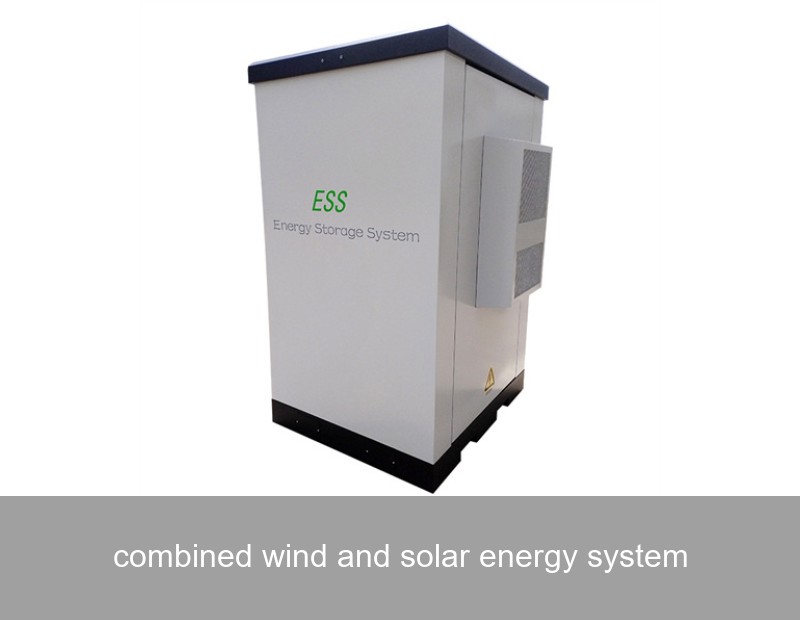
- Energy Storage System (ESS): This is the heart of modern hybrid systems. Excess energy from either source charges a battery bank, which then discharges during generation gaps.
- Energy Management System (EMS): The intelligent brain that forecasts weather, analyzes consumption patterns, and decides in real-time whether to draw power from solar, wind, batteries, or the grid to optimize cost and reliability.

Image Source: Unsplash (A combined wind and solar farm at dusk)
The Data: Why 1+1 Can Equal 3
The benefits of combination are quantifiable. Studies and real-world data show that co-locating wind and solar can significantly smooth power output. According to the National Renewable Energy Laboratory (NREL), hybrid renewable energy plants can reduce variability by 20-50% compared to single-source plants. This leads to:
| Metric | Solar-Only System | Wind-Only System | Combined Wind & Solar System |
|---|---|---|---|
| Capacity Factor | 15-25% | 25-45% | 40-70%+ |
| Grid Stability | Low (daytime peak) | Variable (weather-dependent) | High (smoothed output) |
| Land Use Efficiency | Moderate | Moderate | High (shared infrastructure) |
This synergy means a more predictable and valuable energy asset, whether for on-site consumption or grid services.
Real-World Impact: A Case Study from the Texas Plains
Let's look at a concrete example. In 2022, a mid-sized agricultural processing facility in West Texas faced volatile energy costs and an unreliable grid. They deployed a 2.5 MW hybrid system: 1.8 MW of solar PV and a 0.7 MW distributed wind turbine array, coupled with a 4 MWh battery energy storage system.
The results after one year were compelling:
- Energy Self-Sufficiency: Increased from 35% (solar-only projection) to 82% annually.
- Cost Savings: Reduced peak demand charges by 95% and overall energy costs by 68%.
- Reliability: During a regional grid disturbance in summer 2023, the facility operated autonomously for 14 hours, powered by its hybrid system and batteries, preventing $250,000 in production losses.
This case underscores that the value of a combined system isn't merely additive; it's transformative for operational resilience.
The Missing Piece: Why Advanced Energy Storage is Non-Negotiable
While combining generation sources is powerful, the true potential is unlocked only with sophisticated storage. The battery acts as the "buffer" and "time-shifter," capturing the surplus from a windy night or a sunny noon for use during calm, dark periods. Not all storage is created equal, however. Systems require high cycle life, deep discharge capability, and intelligent management to handle the complex charging sources from both wind and solar.
Highjoule's Role: Intelligent Systems for a Hybrid World
This is where Highjoule's expertise becomes critical. Since 2005, we have specialized in integrating advanced storage into complex renewable ecosystems. For a robust combined wind and solar energy system, our HPS Series (Hybrid Power Station) is engineered to be the central nervous system.
The HPS isn't just a battery cabinet; it's an all-in-one solution featuring:
- Multi-Port Hybrid Inverter: Seamlessly accepts input from both DC solar arrays and AC wind turbines, maximizing energy harvest.
- High-Density Lithium-Ion Battery Bank: Our proprietary thermal management and cell balancing ensure longevity and safety, even with irregular charging patterns from hybrid sources.
- AI-Powered EnergyOS™: This is the differentiator. Our software uses machine learning and local weather data to predict wind and solar availability hours in advance. It automatically optimizes dispatch—deciding whether to store, use, or even sell power—to meet your specific economic and reliability goals.

Image Source: Unsplash (Technician monitoring advanced energy storage controls)
For commercial and industrial applications, Highjoule provides end-to-end services from feasibility analysis and system design to commissioning and 24/7 remote monitoring. We ensure your hybrid investment is not just a collection of parts, but a finely tuned, revenue-generating asset.
The Future Outlook and Your Next Step
The trend is clear. As noted by the International Energy Agency (IEA), hybrid renewable projects are among the fastest-growing segments in the power sector. The convergence of AI, cheaper storage, and mature renewable technology makes this the ideal moment to explore hybrid solutions.
The question is no longer if wind and solar complement each other, but how you can best harness their synergy for your specific needs. What unique energy profile—your daily load curves, your local wind and solar resources, your resilience requirements—could be optimized with a tailored hybrid system from Highjoule?
 Inquiry
 Online Chat