


Understanding the Complete Solar System Price in Kenya: A Smart Investment Guide
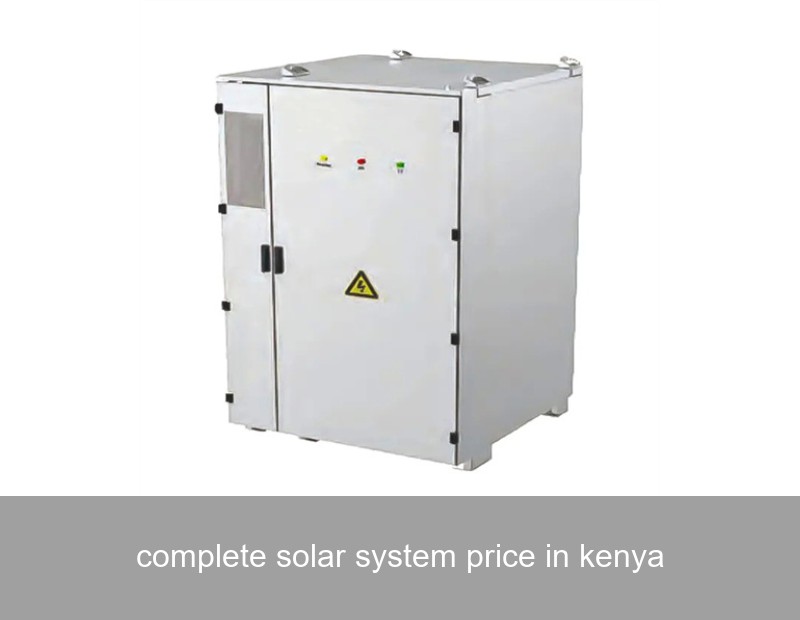
If you're exploring the idea of going solar in Kenya, you've likely typed "complete solar system price in Kenya" into your search engine. The range of quotes can be dizzying. One provider quotes Ksh 300,000, another Ksh 800,000 for what seems like a similar setup. This price variation isn't random; it's the critical difference between a basic setup and a truly intelligent, resilient energy solution. The true cost isn't just about the panels on your roof—it's about the quality of components, the intelligence of the system, and the long-term value it delivers for your home or business. In a market booming with potential, understanding what drives these costs is the first step toward a sound investment that will pay dividends for decades.
Table of Contents
- The Real Breakdown: What Constitutes a Complete Solar System Price in Kenya?
- Key Factors Influencing Your Solar Investment in the Kenyan Market
- From Quote to Kilowatt: A Nairobi Business Case Study
- Looking Beyond Panels: The High-Value Components You Shouldn't Skimp On
- The Highjoule Approach: Delivering Predictable Value and Performance
- Making the Decision: How to Evaluate Your Solar Provider
The Real Breakdown: What Constitutes a Complete Solar System Price in Kenya?
Let's demystify the quote. A complete, or hybrid, solar system is designed to power your property day and night, seamlessly switching between solar, battery, and grid power. Its price is a sum of several key components:
- Solar Panels (PV Modules): The number and efficiency (e.g., monocrystalline) of panels determine your energy harvest. High-efficiency panels cost more upfront but produce more power in limited roof space.
- Solar Inverter: The brain of the system. A hybrid inverter converts DC from panels to AC for your home, manages battery charging/discharging, and integrates with the grid. Its capacity (e.g., 5kW, 10kW) is a major cost driver.
- Battery Storage System (BESS): This is where prices vary most. The battery's capacity (kWh) and chemistry (e.g., Lithium Iron Phosphate - LFP) define its lifespan, depth of discharge, and safety. LFP batteries, like those used by Highjoule, offer longer life and superior thermal stability, crucial for Kenya's climate.
- Balance of System (BoS): Mounting structures, cabling, DC combiners, protection devices, and a monitoring system. Quality here ensures safety and longevity.
- Installation & Professional Services: Design, permitting, installation labor, and commissioning by certified professionals. This ensures your system is optimized and compliant.

Image: Quality installation is a critical, value-adding component of the total system price. Source: Unsplash
Key Factors Influencing Your Solar Investment in the Kenyan Market
Why does a 5kW system for a home in Karen have a different price tag than one for a factory in Industrial Area? Local factors play a huge role:
- Energy Consumption & Load Profile: A detailed audit of your daily and seasonal usage (day vs. night, critical loads) dictates system size. A provider like Highjoule uses advanced modelling to right-size the system, avoiding over- or under-spending.
- Grid Reliability & Tariffs: Areas with frequent blackouts or high grid tariffs (like commercial KPLC rates) necessitate larger battery storage, increasing initial cost but maximizing savings and uptime.
- Roof Condition & Solar Access: Installation complexity on certain roofs or the need for ground-mounted structures adds cost. So does shading from trees or neighboring buildings.
- Component Quality & Origin: Tier-1 panels and certified inverters/batteries cost more than uncertified generic brands. Investing in quality, as championed by global providers, mitigates long-term performance and safety risks.
From Quote to Kilowatt: A Nairobi Business Case Study
Consider the real example of "Greenhouse Nairobi," a medium-sized horticulture exporter based in Athi River. Facing erratic grid power and rising diesel generator costs, they sought a solution. Initial quotes for a 50kW solar system with backup ranged from Ksh 6.5M to Ksh 9M.
They chose a system based not on the lowest bid, but on a detailed proposal that included Highjoule's integrated energy management system. The installed system featured:
| Component | Specification | Rationale |
|---|---|---|
| Solar Panels | 54kWp Monocrystalline | Oversized to charge batteries and run operations fully during sun hours |
| Inverter | Highjoule HI Series Hybrid, 50kW | Grid-interactive, generator-compatible, with advanced load management |
| Battery | Highjoule HPS Series, 120kWh LFP | Designed for daily deep cycling to cover evening packing shifts |
| Monitoring | Highjoule Energy Platform | Real-time visibility on solar production, consumption, and savings |
The Result? After 12 months of operation:
- Grid electricity costs reduced by 85%.
- Diesel generator usage eliminated, saving Ksh 140,000 monthly in fuel and maintenance.
- Full power stability for climate-controlled greenhouses, reducing product spoilage.
- Projected payback period: 4.2 years, thanks to the high offset of commercial grid tariffs.
This case shows that the complete solar system price in Kenya must be evaluated against total cost of ownership (TCO), not just initial outlay. The higher-quality, intelligent system delivered faster ROI through superior performance and reliability.
Looking Beyond Panels: The High-Value Components You Shouldn't Skimp On
Too often, the focus is solely on panel wattage. The real magic—and value—lies in the integration and intelligence of the system.
- The Inverter's Intelligence: A premium hybrid inverter does more than convert power. It performs peak shaving (capping expensive grid draw), enables zero-export to the grid if needed, and can prioritize solar for specific critical loads. This software intelligence maximizes financial return.
- Battery Chemistry & Management: LFP (Lithium Iron Phosphate) is now the global standard for stationary storage due to its safety and 6,000+ cycle life. A superior Battery Management System (BMS), like those in Highjoule's solutions, ensures each cell operates optimally, extending lifespan well beyond warranty periods.
- System Monitoring & Control: Can you track your system's health and production from your phone? Can your provider perform remote diagnostics? This connectivity, often overlooked in cheap packages, is vital for proactive maintenance and ensuring your system performs as promised for years.

Image: The battery's chemistry and management system are central to long-term value. Source: Unsplash
The Highjoule Approach: Delivering Predictable Value and Performance
At Highjoule, we view the complete solar system price in Kenya as a capital investment in energy independence. Our approach is built on delivering predictable outcomes. We don't just sell components; we provide integrated, smart power solutions backed by global R&D and local expertise. For our clients in Kenya—from upcountry flower farms to Nairobi manufacturing plants—this means:
- Precision Engineering: Using our proprietary design software, we model your site's specific conditions to predict energy yield and savings accurately, ensuring the quoted price aligns with a guaranteed performance level.
- Integrated Hardware: Our HI Series Hybrid Inverters and HPS Battery Systems are designed to work together seamlessly, with communication protocols that optimize every kilowatt-hour. This integration reduces compatibility issues and boosts overall system efficiency by up to 5% compared to mismatched components.
- Long-Term Partnership: Our service includes remote monitoring via the Highjoule Energy Platform and local technical support. We're invested in the long-term health of your system, protecting your investment far beyond the installation date.
Making the Decision: How to Evaluate Your Solar Provider
When you receive competing quotes, look beyond the bottom-line complete solar system price in Kenya. Ask these critical questions:
- Is the design based on my actual hourly load data, or just a monthly bill? (Precision matters).
- What is the expected system performance in Year 1 vs. Year 10? (Degradation rates matter).
- Can you provide a detailed performance guarantee and a clear service-level agreement (SLA)?
- What is the warranty on the core components, and who honors it locally?
- Can I see real performance data from a similar installation you've completed?
For authoritative information on solar technology and best practices, you can refer to resources like the International Renewable Energy Agency (IRENA) or the National Renewable Energy Laboratory (NREL).
So, as you weigh your options for energy independence, what specific energy challenge—be it unpredictable outages, soaring bills, or the need for cleaner operations—will your ideal solar solution need to solve from day one?
 Inquiry
 Online Chat