


The Dyness 14.3 kW Power Brick: Your Foundation for Modern Energy Independence
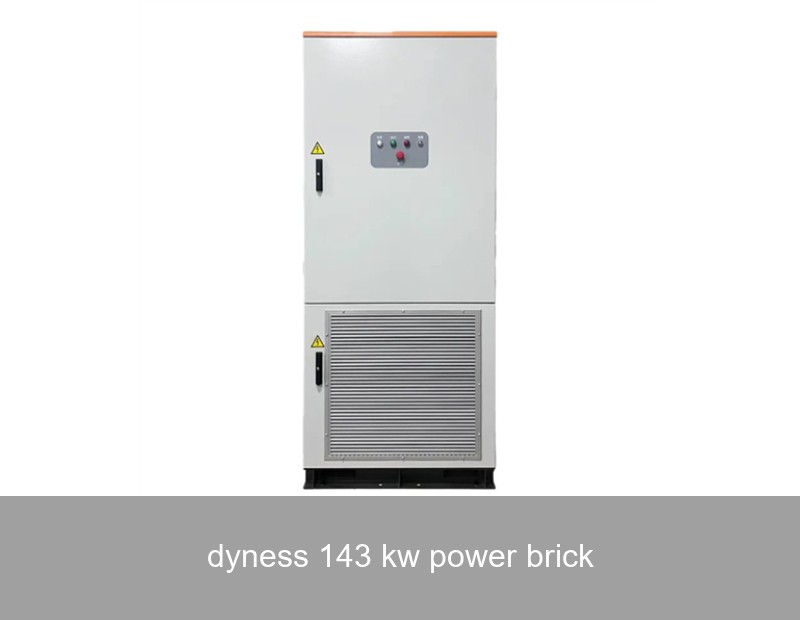
Imagine a single, robust unit sitting quietly in your garage or utility room, silently managing the flow of energy for your entire home or business. That's the promise of high-capacity, all-in-one energy storage solutions like the Dyness 14.3 kW Power Brick. As grid instability rises and the desire for clean energy grows, homeowners and businesses are looking beyond simple backup. They seek intelligent systems that store solar power, optimize energy costs, and provide unwavering resilience. This shift isn't just a trend; it's a fundamental rethinking of how we interact with power. In this deep dive, we'll explore what makes units like the Power Brick pivotal, and how integrating them with expert design and software unlocks their true potential.
Table of Contents
- The Rise of the Energy Storage Powerhouse
- Decoding the Dyness 14.3 kW Power Brick: Specs & Capabilities
- Beyond the Box: Why System Integration is Everything
- Case Study: From Theory to Reality in a California Home
- Future-Proofing Your Investment
- What's Your Energy Resilience Goal?
The Rise of the Energy Storage Powerhouse
Let's face it: our electrical grids are feeling the strain. From more frequent extreme weather events in the US to geopolitical pressures affecting energy supplies in Europe, the need for localized control over power has never been clearer. The International Energy Agency (IEA) notes that global energy storage capacity is set to multiply exponentially this decade, driven largely by solar-coupled systems. This isn't just about having lights on during a storm. It's about economics and sustainability. Time-of-use rates, where electricity costs peak dramatically in the evening, are becoming standard. A robust battery system allows you to use your stored solar energy during these expensive periods, slashing bills.

Image Source: Unsplash
This is where integrated energy storage systems (ESS) come in. They are the brains and brawn of the new energy paradigm. Think of a unit like the Dyness Power Brick as the heart of the system—a high-capacity, lithium iron phosphate (LiFePO4) battery bank. But the heart needs a nervous system and limbs to function effectively. This is where the expertise of a provider like Highjoule becomes critical. Since 2005, we've specialized in designing and delivering intelligent storage solutions that go beyond the hardware. We ensure the battery, inverter, solar array, and energy management software work in perfect harmony for commercial, industrial, residential, and microgrid applications.
Decoding the Dyness 14.3 kW Power Brick: Specs & Capabilities
So, what exactly is the Dyness 14.3 kW Power Brick? At its core, it's a modular, high-voltage battery module with a usable energy capacity of 14.3 kilowatt-hours (kWh). Built with the safe and long-lasting LiFePO4 chemistry, it's designed to be stacked and scaled. One brick provides a substantial base; connecting multiple bricks in parallel can create a massive energy reservoir for larger needs.
| Key Feature | Benefit |
|---|---|
| 14.3 kWh Usable Capacity (per module) | Powers essential home loads for extended periods, often through a full day of outage. |
| Lithium Iron Phosphate (LiFePO4) Chemistry | Superior safety, longer lifespan (typically 6000+ cycles), and excellent thermal stability. |
| Modular & Scalable Design | Start with one, expand your storage capacity as your needs or budget grow. |
| High Voltage System | Higher efficiency and reduced energy loss compared to low-voltage systems, allowing for thinner cabling. |
It's a formidable piece of hardware. However, it's crucial to understand that the Dyness Power Brick is a battery module. To function as a complete storage system, it requires a compatible inverter, a battery management system (BMS), and often a dedicated energy management system (EMS) for intelligent control. This is the gap that a full-service provider bridges.
Highjoule's Integrated Approach
At Highjoule, we view products like the Dyness Power Brick as excellent components within a broader ecosystem. Our role is to engineer the perfect system around it. We might pair it with a high-efficiency hybrid inverter, integrate it with existing solar PV, and install our proprietary Highjoule Energy Operating System (EOS). This software is the true game-changer, allowing users to set preferences for self-consumption, grid-charging during low-cost periods, or maximum backup readiness. It turns raw storage capacity into smart, money-saving energy intelligence.
Beyond the Box: Why System Integration is Everything
Phenomenon: Two neighbors install a "14.3 kWh battery." One raves about zero bills and seamless backup. The other complains of unmet expectations and clunky operation. The difference? System integration and software.
Data shows that poorly integrated systems can suffer from 15-25% efficiency losses and fail to respond correctly during grid events. The battery's potential is locked away. A study by the National Renewable Energy Laboratory (NREL) emphasizes that advanced controls and grid-friendly functions are key to realizing the full value of storage.
This is our core expertise. Highjoule's design process begins with a detailed energy audit. We analyze your consumption patterns, solar production, and local utility rates. We then specify not just the battery capacity, but the correct inverter size, electrical protections, and communication setup. Our EOS software ensures the Dyness Power Brick communicates flawlessly with the inverter and grid, executing strategies that maximize your return on investment. For commercial clients, this can involve complex demand-charge reduction, which we'll explore next.
Case Study: From Theory to Reality in a California Home
Let's look at a real-world example from our files in Sacramento, California.
The Challenge: The Miller family had a 10 kW solar array but faced high "Time-of-Use" rates from 4-9 PM when the sun was low. Their existing system sent excess solar to the grid for a low credit, only for them to buy back expensive power in the evening. They also worried about Public Safety Power Shutoffs (PSPS).
The Highjoule Solution: We designed a system centered on two parallel Dyness 14.3 kW Power Bricks (28.6 kWh total), coupled with a compatible 10 kW hybrid inverter. The core was the integration of the Highjoule EOS.
- Self-Consumption Rate: Increased from 35% to over 90%.
- Bill Impact: Their average monthly electricity bill dropped from ~$180 to a basic ~$10 service charge, even during summer.
- Backup Testing: During a planned 8-hour grid outage, the system automatically switched to backup mode, powering all essential circuits (including HVAC, refrigeration, and lighting) without interruption.

Image Source: Unsplash
"The system doesn't just store energy; it thinks," said Mr. Miller. "The app shows me exactly where every kilowatt-hour is going, and I have total peace of mind." This case highlights that the value is not in the battery alone, but in its intelligent orchestration.
Future-Proofing Your Investment
Choosing an energy storage system is a long-term decision. The Dyness Power Brick's LiFePO4 chemistry and modularity offer inherent longevity and flexibility. But future-proofing also means choosing a platform that can adapt.
Highjoule's systems are designed with an open architecture. Whether you're adding more solar panels, a second electric vehicle, or additional Power Brick modules, our platform can scale. For our microgrid and industrial clients, this might mean integrating generator control or grid-forming capabilities for total off-grid independence. The goal is to protect your investment today while leaving the door open for the energy innovations of tomorrow.
What's Your Energy Resilience Goal?
The journey to energy independence starts with a clear vision. Are you looking to eliminate your electricity bill, create a fortress of resilience for your home, or achieve critical operational continuity for your business? A Dyness 14.3 kW Power Brick, or a cluster of them, can be the physical foundation. But the real question is: How will you unlock its full intelligence and potential? We invite you to consider not just the component, but the system, the software, and the partner behind it.
What's the first energy challenge you'd like to solve—peak shaving, full backup, or simply maximizing your solar investment? The strategy begins with that answer.
 Inquiry
 Online Chat