


Electric Saving Devices for the Home: A Smart Guide to Energy Independence
Let's talk about your electricity bill. That monthly statement that arrives, often with a sense of dread, is more than just a number. It's a reflection of our modern lives, powered by an ever-growing array of devices and appliances. But what if you could take control? The conversation around electric saving devices for the home has moved far beyond simply turning off lights. Today, it's about intelligent technology that automates savings, optimizes consumption, and can even turn your home into a personal power plant. This isn't just about pinching pennies; it's about embracing energy resilience and sustainability. As a leader in advanced energy storage, Highjoule has been at the forefront of this shift since 2005, helping homeowners worldwide transform their relationship with energy.
Table of Contents
- The Phenomenon: Rising Costs & Growing Awareness
- The Data: Where Does Your Power (and Money) Really Go?
- Modern Electric Saving Devices: From Monitoring to Generation
- Case Study: A Real-World Transformation in Bavaria
- Highjoule's Role: Integrating Intelligence into Your Home
- Looking Ahead: Your Home as a Virtual Power Plant?
The Phenomenon: Rising Costs & Growing Awareness
Across Europe and the United States, homeowners are feeling the pinch. Volatile energy markets, geopolitical factors, and the increasing electrification of heating and transport have made electricity costs a central household concern. Simultaneously, awareness of climate change has spurred a desire to reduce carbon footprints. This dual pressure—economic and environmental—has created a perfect storm of interest in genuine, effective solutions. It's no longer enough to have a "green" option; it must also be a smart financial decision. This is where the new generation of electric saving devices for the home comes into play, shifting the narrative from passive conservation to active management.
The Data: Where Does Your Power (and Money) Really Go?
To solve a problem, you must first understand it. The U.S. Energy Information Administration (EIA) provides a clear breakdown: a typical American home's energy consumption is dominated by heating and cooling (around 42-51%), followed by water heating, appliances, and lighting. In Europe, the patterns vary by region but heating often claims an even larger share. The key insight? "Vampire loads" or "phantom energy"—the power consumed by devices in standby mode—can account for 5-10% of a home's annual electricity use. That's money literally evaporating from idle game consoles, old chargers, and dormant entertainment systems. Imagine identifying and eliminating that waste automatically. That's the power of data-driven energy management.
Image Source: Unsplash - A smart energy monitor providing real-time consumption data.

Modern Electric Saving Devices: From Monitoring to Generation
The term "electric saving device" can be misleadingly simple. Today's ecosystem is a tiered approach, each layer adding more control and savings.
Smart Energy Monitors: Knowledge is Power (Savings)
These are the dashboards for your home's energy engine. Devices like Sense or Emporia Vue connect to your electrical panel and use machine learning to identify individual appliances. You can see real-time usage on your phone, set budgets, and receive alerts for abnormal consumption. This is the essential first step: you can't manage what you don't measure.
Smart Plugs & Automation: The Hands-Free Approach
Once you know what's using power, smart plugs allow you to control it. Schedule the coffee maker, turn off the entertainment center at night, or remotely cut power to forgotten devices. Integrated with systems like Google Home or Alexa, they create "scenes" that optimize energy use based on your routines.
The Ultimate Game-Changer: Home Battery Storage
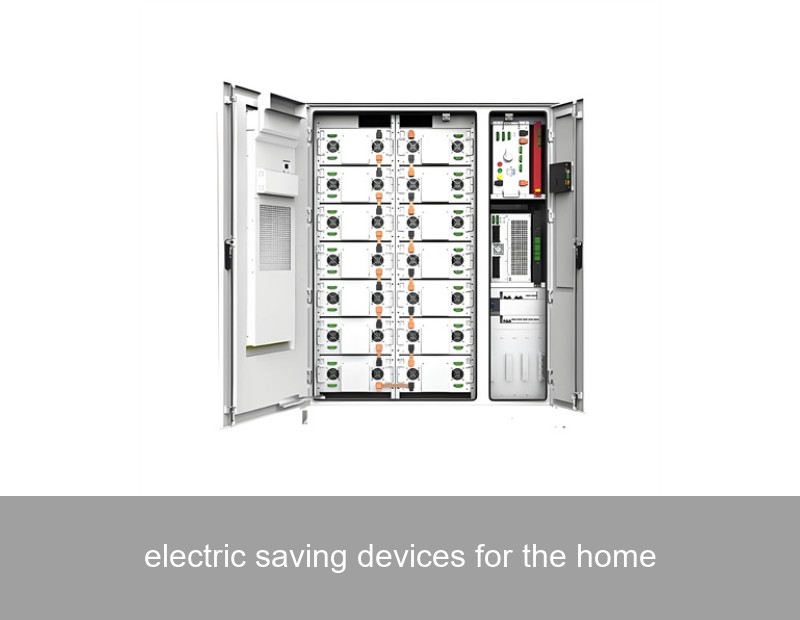
This is where the evolution of electric saving devices for the home reaches its peak. A home battery system, like the Highjoule HES系列 (Home Energy System), doesn't just reduce waste—it redefines *when* and *from where* you use electricity. It stores cheap, excess solar energy you produce or low-cost grid electricity for use during expensive peak hours. This "peak shaving" can dramatically lower your bill. More importantly, it provides backup power during outages, turning your saving device into a resilience device.
Case Study: A Real-World Transformation in Bavaria
Let's look at the Müller family in southern Germany. They had a 8 kW solar array but were still exporting over 60% of their production to the grid during the day (for a modest feed-in tariff) and buying expensive power in the evenings. Their goal: maximize self-consumption and gain independence.
- Solution Installed (2022): A Highjoule HES-12 battery system (12 kWh capacity) integrated with their existing solar.
- Results After One Year:
- Self-Consumption of Solar: Increased from 35% to over 85%.
- Grid Electricity Purchases: Reduced by 78%.
- Annual Bill Savings: €1,250, projecting a return on investment in under 8 years.
- Added Benefit: Uninterrupted power during two regional grid maintenance outages.
"The system isn't just a battery; it's the brain of our home energy," says Mr. Müller. "The Highjoule app shows us exactly how energy flows, and we have total peace of mind. It’s the most impactful electric saving device we've ever owned." This case highlights the synergy between generation (solar) and intelligent storage—the true path to energy independence. For more on the potential of home storage, see this report from the International Energy Agency.
Image Source: Unsplash - A sleek home battery storage unit installed in a residential setting.

Highjoule's Role: Integrating Intelligence into Your Home
At Highjoule, we view the home as an interconnected energy ecosystem. Our products are designed not as standalone electric saving devices, but as the core of a holistic strategy. Our HES系列 features:
- Advanced Lithium Iron Phosphate (LFP) Chemistry: For unparalleled safety, longevity (over 6,000 cycles), and stable performance.
- AI-Powered Energy Management System (EMS): This software brain learns your habits, weather patterns, and utility rate schedules to automatically optimize charging and discharging for maximum savings.
- Scalable & Modular Design: Start with what you need and expand capacity as your needs grow, from a single 5 kWh module upwards.
- Grid Services Ready: In some markets, our systems can participate in virtual power plants, allowing you to earn revenue by supporting grid stability—turning your battery into an asset.
We partner with certified installers across Europe and North America to ensure seamless integration with both new and existing solar arrays, providing a complete, intelligent power solution. For a deeper dive into battery safety and technology, resources like SolarReviews offer valuable consumer information.
Looking Ahead: Your Home as a Virtual Power Plant?
The journey of home energy management is accelerating. The next frontier involves electric saving devices and systems that communicate not just within your home, but with the wider grid. Imagine your Highjoule battery, your EV charger, and your smart thermostat all coordinating in real-time based on grid carbon intensity and electricity prices. This isn't science fiction; it's the emerging reality of Virtual Power Plants (VPPs).
So, the question we leave you with is this: As electricity becomes the lifeblood of our homes, will you remain a passive consumer at the mercy of the meter, or will you take the first step to become an active manager—and even producer—of your own clean, affordable, and reliable power? What single energy habit in your home would you most like technology to solve for you?
 Inquiry
 Online Chat