


Emergency Backup Battery: Your Essential Guide to Reliable Power Resilience
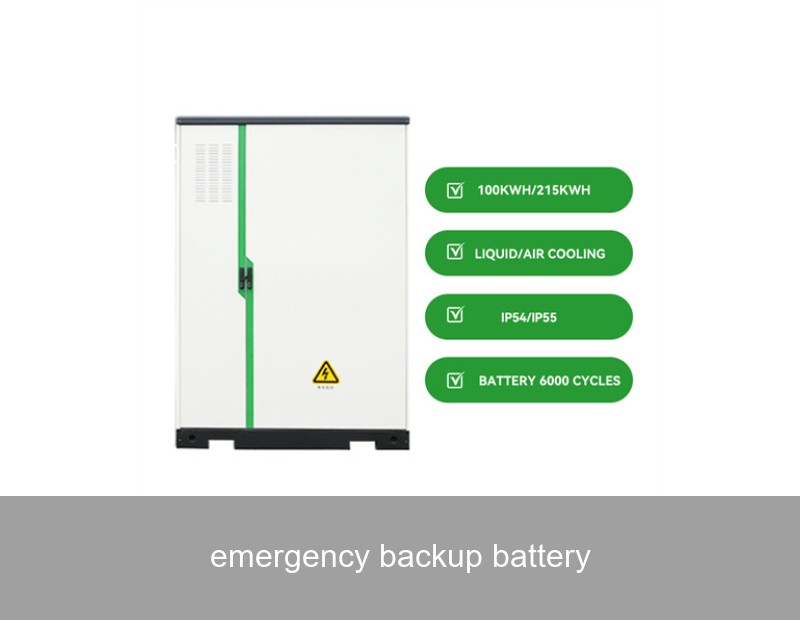
a severe storm knocks out the grid. Your home plunges into darkness, the refrigerator hum falls silent, and your Wi-Fi router’s lights go out. For a business, it’s even more critical—operations halt, data is at risk, and revenue evaporates by the minute. This growing vulnerability is precisely why the emergency backup battery has transformed from a niche luxury to a cornerstone of modern energy security. In this guide, we’ll explore why these systems are essential, how they work, and what you need to know to choose the right one for true peace of mind.
What is an Emergency Backup Battery System?
At its core, an emergency backup battery system is an integrated unit that stores electrical energy to be used when the primary power source (the grid) fails. Unlike a noisy, fuel-dependent gasoline generator, a battery backup system provides instant, silent, and automatic power. Modern systems, like those developed by Highjoule, go far beyond a simple battery in a box. They are intelligent energy hubs that manage power flow, prioritize critical loads (like your refrigerator, medical equipment, or security systems), and can even integrate with solar panels to keep you powered by the sun, even when the grid is down.
The Rising Need: Why Emergency Backup is No Longer Optional
The frequency and severity of power outages are increasing. The U.S. Energy Information Administration (EIA) notes that the average U.S. customer experienced just over 5 hours of outages in 2021, with major events like wildfires and winter storms pushing that number much higher for affected regions. In Europe, geopolitical tensions and the transition to renewable-heavy grids highlight the need for localized energy resilience.
This isn't just about inconvenience. For homeowners, it's about safety, preserving food and medicine, and maintaining communication. For businesses, a single outage can mean tens of thousands in lost productivity and data corruption. The phenomenon is clear: our reliance on stable electricity is total, yet the grid's stability is facing unprecedented challenges. The logical step? Taking control of your own power supply.
The Data Behind the Demand
| Driver | Impact | Backup Battery Solution |
|---|---|---|
| Extreme Weather Events | Longer, more frequent outages | Provides automatic, immediate power for extended periods. |
| Aging Grid Infrastructure | Increased failure points and maintenance outages | Offers localized backup independent of grid health. |
| Rise of Renewable Energy | Grid intermittency and need for stabilization | Stores excess solar/wind for use anytime, enhancing grid stability. |
| Remote & Hybrid Work | Power is now essential for home offices | Keeps internet, computers, and phones running seamlessly. |
Key Components of a Modern Emergency Backup Battery System
Understanding the key parts demystifies the technology:
- The Battery Pack: The energy reservoir. Today, Lithium Iron Phosphate (LiFePO4) is the leading chemistry for its safety, longevity, and performance.
- The Inverter/Charger: The brain and muscle. It converts stored DC battery power to AC for your home, charges the battery from the grid or solar, and manages the switch during an outage (in milliseconds).
- The Battery Management System (BMS): The guardian. It monitors cell voltage, temperature, and health to ensure safe operation and maximize battery life.
- The System Controller & Software: The intelligence. This allows you to monitor energy flow, set preferences, and integrate with solar or smart home systems.

Image Source: Unsplash (Representative image of a modern battery installation)
Choosing the Right Battery Technology for Your Backup Needs
Not all batteries are created equal. For emergency backup, reliability over decades is key.
- Lithium Iron Phosphate (LiFePO4): The gold standard for residential and commercial backup. It offers a longer cycle life (often 6,000+ cycles), superior thermal stability (safer), and maintains performance in a wider temperature range compared to older lithium-ion types.
- Lead-Acid: A lower upfront cost but shorter lifespan, deeper maintenance needs, and slower recharge times make it a less optimal choice for critical, frequent backup.
At Highjoule, our H-Series Home Energy Storage and Commander C&I Series are built exclusively with LiFePO4 cells. We pair them with our advanced, self-learning inverter technology that optimizes every charge and discharge cycle, ensuring you get the maximum lifespan and performance from your investment. It’s not just a battery; it’s a long-term energy asset.
A Real-World Case Study: The Vermont Grocery Store
Let’s look at a concrete example. A family-owned grocery store in rural Vermont, USA, faced recurring winter outages that threatened perishable goods worth over $15,000 per event and forced closure, losing vital daily revenue.
The Solution: They installed a Highjoule Commander 30 commercial battery storage system (30 kWh capacity), integrated with their existing rooftop solar. The system was configured to back up all critical loads: refrigeration, checkout systems, and security.
The Outcome: During a major nor'easter in January 2023 that left the area without grid power for 42 hours, the store remained open and fully operational. The solar panels, despite winter conditions, helped recharge the battery during daylight hours. The system provided uninterrupted power, saving an estimated $8,500 in spoiled inventory and generating over $3,200 in revenue that would have been lost. The owner noted it wasn't just about money—it cemented their reputation as the reliable, always-open store in the community.

Image Source: Unsplash (Representative image of a grocery store with lights on)
Beyond Basic Backup: The Highjoule Intelligent Energy Ecosystem
For over 18 years, Highjoule has pioneered systems that think. Our emergency backup battery solutions are designed to be the heart of a smarter energy setup. Here’s how we add value:
- Seamless Solar Integration: Our systems are built for synergy with solar PV. When the grid fails, your solar array can continue to power your home and recharge the battery—a feature many standard systems lack.
- AI-Powered Energy Management: Our Horizon OS software learns your energy patterns. It can automatically use stored energy during peak grid rate periods (saving you money daily) and ensure the battery is fully charged if a storm is forecasted.
- Scalable for Any Need: From our compact H2 unit for essential home circuits to our containerized Megapack solutions for industrial microgrids, we provide scalable, future-proof resilience.
- Global Support Network: With certified installers across Europe and North America, we ensure professional design, installation, and lifelong support for your system.
Making Your Home or Business Future-Ready
Investing in an emergency backup battery is a proactive step toward energy independence. It protects your family, your business, and your livelihood. It turns your home into a resilient haven and your business into a pillar of the community, regardless of what happens on the wider grid.
The technology is proven, the need is evident, and the benefits extend far beyond the moment the lights go out. It’s about taking control and making a conscious choice for stability and sustainability.
What’s the first load you would want to keep powered during an outage, and how could securing that power change your experience of the next inevitable blackout?
 Inquiry
 Online Chat