


Emergency Power Supply Inverter: Your Ultimate Guide to Uninterrupted Energy
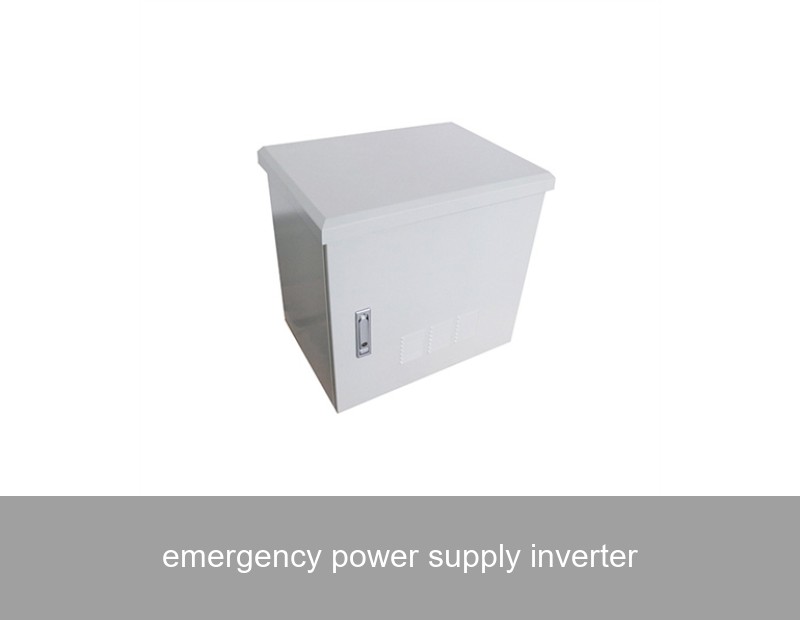
Imagine this: a critical surgery is underway in a hospital, a data center is processing millions of transactions, or your family is riding out a severe storm at home. Suddenly, the grid power fails. In these moments, the silent hero that springs to life isn't just the battery—it's the emergency power supply inverter. This sophisticated device is the brain and muscle of any backup power system, instantly converting stored DC battery power into the AC electricity that powers our lives. For businesses and homeowners across Europe and the US facing increasing grid instability and extreme weather, understanding this key component is the first step towards true energy resilience. As a leader in advanced energy storage, Highjoule has been engineering intelligent inverter technology since 2005, ensuring that when the lights go out, your critical operations don't.
Table of Contents
What Exactly is an Emergency Power Supply Inverter?
Let's break it down simply. Your solar panels or grid supply alternating current (AC) electricity. Batteries store energy as direct current (DC). Most appliances and equipment in your home or business run on AC. The emergency power supply inverter sits squarely in the middle of this energy flow. Its primary job is to convert DC power from batteries into clean, stable, and usable AC power the moment a grid failure is detected. This switch-over happens in milliseconds, often so fast that sensitive electronics don't even blink.
But not all inverters are created equal. Think of a basic inverter like a simple generator—it provides power, but it might be "dirty" (with voltage fluctuations) and inefficient. A high-quality inverter, like those integrated into Highjoule's EnerCore Battery Storage Systems, acts as a smart energy manager. It doesn't just convert power; it optimizes it, ensures its quality, and seamlessly integrates with multiple energy sources like solar, wind, and the grid.

Image Source: Unsplash - Representative image of advanced inverter technology
Why the Right Inverter Matters More Than Ever: The Data Behind the Demand
The need for reliable emergency power is not theoretical; it's driven by clear, concerning trends. In the United States, power outages caused by severe weather have doubled in the last two decades. In Europe, the push for decarbonization and geopolitical energy pressures are testing grid reliability. The financial cost of an outage is staggering: for a data center, it can exceed $9,000 per minute.
The phenomenon is clear: our grids are under stress, and outages are becoming more frequent and prolonged. The data underscores a massive financial and operational risk. This leads us to the core solution: a resilient on-site energy system whose performance hinges on its inverter. A low-quality inverter can be the single point of failure in an otherwise expensive backup system. It might be too slow to switch, struggle with the starting loads of motors (like in HVAC systems), or produce poor-quality power that damages sensitive lab or IT equipment.
Key Features of a Modern Emergency Power Inverter
When evaluating an emergency power supply inverter, look for these non-negotiable features that define professional-grade systems like those from Highjoule:
- Pure Sine Wave Output: Essential for running sensitive electronics, medical devices, and variable-speed motors without risk of damage.
- High Peak Power Capacity (Surge Rating): Can handle brief, high-power demands from appliances like refrigerators or water pumps starting up.
- Seamless Transfer Switch: Switches from grid to battery power in less than 20 milliseconds (often within 10 ms).
- Grid-Forming Capability: Advanced inverters can "black start" and create a stable microgrid, even without the main grid as a reference.
- Integrated Energy Management: Intelligently prioritizes loads, integrates solar self-consumption, and can be programmed for time-of-use optimization.
| Inverter Type | Best For | Key Advantage | Consideration |
|---|---|---|---|
| Stand-Alone (Off-Grid) | Remote homes, critical backup circuits | Complete independence from the grid | Requires careful sizing of battery bank |
| Hybrid (Multi-Mode) | Homes & businesses with solar, seeking backup & bill savings | Versatility; can island from grid and manage solar charging | More complex installation and setup |
| Grid-Tied with Backup | Urban/suburban homes, small businesses | Cost-effective, simple operation | Typically powers only essential loads during outage |
Highjoule's EnerCore Hybrid inverters exemplify the multi-mode category. They are not just backup devices but 24/7 energy hubs that reduce electricity bills by maximizing solar use, provide seamless emergency power, and even support grid services through intelligent software.
Case Study: Reliable Emergency Power for a Bavarian Medical Clinic
The Challenge: A mid-sized medical clinic in Bavaria, Germany, experienced periodic voltage dips and short grid outages that disrupted diagnostic imaging equipment and posed a risk to ongoing patient treatments. Their old diesel generator was slow, noisy, polluting, and failed to protect ultra-sensitive devices.
The Highjoule Solution: The clinic was equipped with a turnkey Highjoule Industrial Microgrid Solution. The system featured a 120 kWh lithium-ion battery bank managed by two parallel 50 kW emergency power supply inverters with grid-forming capability. The system was integrated with the clinic's existing rooftop solar PV array.
- Zero Interruptions: The system has maintained 100% uptime for critical medical loads over 18 months, through 14 recorded grid disturbances.
- Ultra-Fast Switching: The inverters achieved a grid-to-backup transfer time of under 8 milliseconds, invisible to all equipment.
- Economic & Environmental Benefit: By leveraging solar and battery storage for load shifting, the clinic reduced its peak demand charges by 22% and lowered its diesel generator runtime by over 90%, cutting both costs and carbon emissions.
This real-world example demonstrates that a modern inverter-centric system isn't just a cost—it's an investment in operational continuity, financial savings, and sustainability.

Image Source: Unsplash - Representative image of technical maintenance in a healthcare setting
Choosing and Maintaining Your Emergency Power System
Selecting the right system starts with a professional audit of your critical loads. What must stay on for 2, 6, or 24 hours? Don't forget high-surge appliances. Partner with a provider like Highjoule who offers end-to-end service: from design and permitting to installation, commissioning, and remote monitoring. Our Highjoule Pulse cloud platform allows customers to see system performance, energy savings, and backup readiness in real-time from any device.
Maintenance is largely digital and minimal for lithium-ion-based systems. However, annual professional check-ups are recommended to ensure all connections are tight and software is updated. The inverter itself, being a solid-state device, typically requires no routine maintenance, a significant advantage over fossil-fuel generators.
The Future of Emergency Power: Inverters as Grid Citizens
The role of the emergency power supply inverter is evolving from a passive backup component to an active grid asset. With vehicle-to-grid (V2G) and advanced virtual power plant (VPP) software, like that piloted by Highjoule in California and the UK, your inverter can help stabilize the community grid during peak demand while earning you revenue or credits. This transforms your emergency power system from an insurance policy into a productive investment.
Ready to Assess Your Energy Resilience?
How would your business or home fare during a 12-hour outage? What is the single most critical load you couldn't afford to lose power to, and for how long? Exploring these questions is the first step. We invite you to connect with Highjoule's energy experts for a complimentary, no-obligation resilience assessment. What unique energy challenge can we help you solve today?
 Inquiry
 Online Chat