


Energi Lithium Batteries: Powering a Sustainable Future with Smart Storage
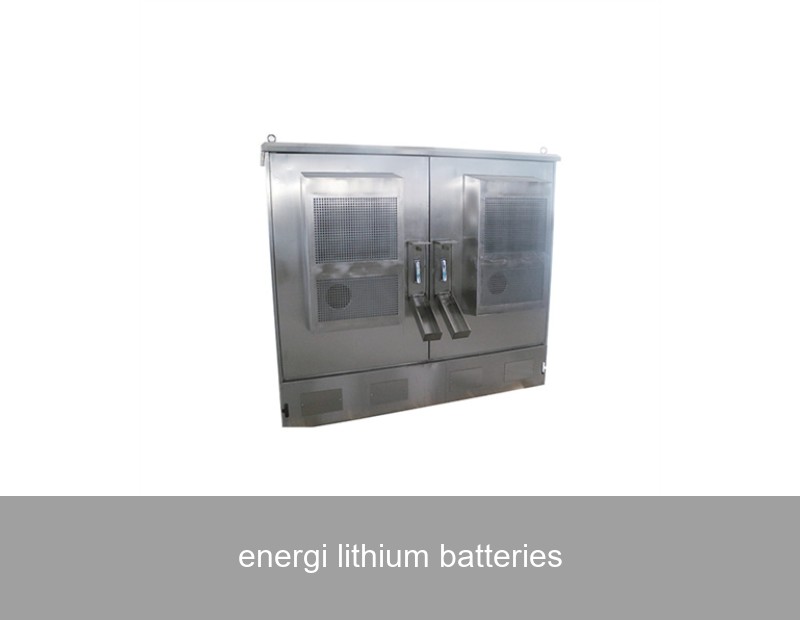
You’ve likely heard the buzz: the world is shifting to renewable energy. But here’s a question you might not have considered—what happens when the sun doesn’t shine, or the wind doesn’t blow? This is the critical challenge of our energy transition, and the solution is increasingly being powered by energi lithium batteries. These aren't just the batteries in your phone; they are the intelligent, grid-scale hearts of modern energy storage systems (ESS), enabling true energy independence and grid stability. Let's explore how this technology is reshaping how we generate, store, and use power.
The Energy Storage Imperative: Beyond Solar Panels
The phenomenon is clear: solar and wind installations are breaking records globally. However, this success creates a new problem—intermittency. Energy production becomes unpredictable, leading to potential grid imbalances, curtailment (wasting excess energy), and reliance on fossil fuel "peaker" plants during gaps. This is where energi lithium batteries enter the stage. They are the crucial buffer, storing surplus renewable energy for when it's needed most, transforming variable generation into a reliable, dispatchable power source.

Image Source: Unsplash - A visual representation of pairing renewable generation with battery storage.
Why Lithium? The Data Behind the Dominance
Not all batteries are created equal. While various chemistries exist, lithium-ion has emerged as the leader for high-performance energy storage. Let's look at the data that makes them the preferred choice:
| Metric | Lithium-Ion Advantage | Impact on Energy Storage |
|---|---|---|
| Energy Density | High (150-250 Wh/kg) | More storage capacity in a smaller footprint, crucial for space-constrained sites. |
| Efficiency | Round-trip efficiency >95% | Minimal energy is lost during charge/discharge cycles, maximizing ROI. |
| Cycle Life | 5,000+ cycles (to 80% capacity) | Long operational life, reducing long-term cost per cycle. |
| Response Time | Milliseconds | Provides critical grid services like frequency regulation almost instantaneously. |
These technical advantages translate into economic and operational benefits. According to a U.S. Department of Energy report, the cost of lithium-ion batteries has fallen by nearly 90% over the past decade, a key driver for widespread adoption.
From Kilowatts to Megawatts: Real-World Applications
Energi lithium batteries are versatile. Their application scales seamlessly:
- Residential: Homeowners pair them with rooftop solar to maximize self-consumption, reduce electricity bills, and gain backup power during outages.
- Commercial & Industrial (C&I): Businesses use large-scale battery systems for peak shaving (reducing demand charges), providing emergency power, and participating in demand response programs.
- Utility & Microgrids: At the grid edge, massive battery energy storage systems (BESS) stabilize the grid, integrate renewables, and defer costly infrastructure upgrades. They are the cornerstone of resilient community microgrids.
A Case Study: Grid Stability in Germany
Let's examine a concrete example from Europe. Germany's "Energiewende" (energy transition) has led to a high penetration of renewables, creating local grid congestion and frequency stability challenges. In 2022, a major German grid operator deployed a 50 MW / 100 MWh lithium-ion battery storage system in Schleswig-Holstein, a wind-rich region.
The Data-Driven Outcome: This system, comprised of thousands of individual energi lithium batteries, is designed to perform primary frequency regulation. In its first year of operation, it achieved a 99.8% availability rate and responded to grid frequency deviations within 100 milliseconds. It effectively absorbed excess wind energy during periods of low demand and injected power back during shortfalls, preventing grid instability and reducing the need for fossil-fuel-based regulation. Fraunhofer ISE reports that such storage assets are critical for managing the record shares of renewables in Germany's energy mix.
Choosing the Right System: Beyond the Battery Cell
It's vital to understand that a safe, efficient, and long-lasting storage solution is more than just a collection of battery cells. The core components include:
- Battery Management System (BMS): The "brain" that monitors cell voltage, temperature, and state of charge, ensuring safety and longevity.
- Power Conversion System (PCS): The "muscle" that converts DC battery power to AC grid power and vice versa.
- Thermal Management: A critical system (liquid or air-cooled) to maintain optimal operating temperatures.
- Energy Management Software (EMS): The "nervous system" that controls the system's operation based on weather, energy prices, and consumption patterns.
The seamless integration of these components is where true value and reliability are created.
Highjoule's Integrated Approach to Intelligent Storage
This is precisely where Highjoule, with nearly two decades of experience since 2005, excels. We don't just supply batteries; we deliver intelligent, turnkey energy storage systems. Our solutions are engineered for the specific demands of commercial, industrial, and microgrid applications.
Our flagship product, the Highjoule H-Series BESS, is a containerized, utility-grade solution. It features industry-leading lithium iron phosphate (LFP) battery chemistry, known for its exceptional safety and long cycle life. Integrated with our proprietary JouleMind AI energy management platform, the system autonomously optimizes for multiple value streams—whether it's reducing a factory's peak demand charges, providing seamless backup for a hospital, or enabling a remote community microgrid to run on 100% renewables.

Image Source: Unsplash - Representative of professional energy storage system management.
For businesses, this means a tangible reduction in energy costs and carbon footprint. For grid operators, it means a flexible, reliable asset. Our global footprint allows us to tailor solutions to the specific regulatory and market environments of Europe and the United States.
The Future Landscape of Energy Storage
The evolution of energi lithium batteries continues. Research is focused on solid-state electrolytes, silicon anodes, and even more sustainable sourcing of raw materials. The goal is higher density, lower cost, and enhanced sustainability. Furthermore, the concept of "second-life" batteries—repurposing EV batteries for stationary storage—is gaining traction, promising a more circular economy.
As we move forward, the integration of storage with AI and IoT will create truly autonomous energy networks. The question is no longer if battery storage is needed, but how to implement it most effectively for your specific goals.
Is your business or community ready to assess how intelligent energi lithium battery storage could transform your energy resilience and economics? What is the first step you would take to evaluate your potential for energy independence?
 Inquiry
 Online Chat