


Energia Solar Acumuladores: The Key to Unlocking 24/7 Clean Power
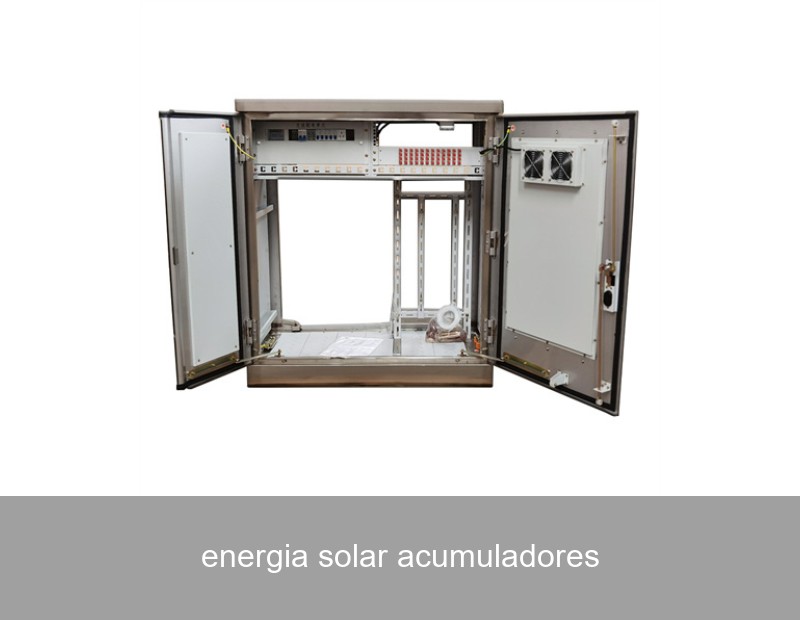
Have you ever watched the sun set on a house full of solar panels and wondered, "Where does all that potential energy go?" You're not alone. For years, the intermittent nature of solar power has been its Achilles' heel. We generate clean energy when the sun shines, but our demand peaks in the early morning and evening. This mismatch is the central challenge that energia solar acumuladores—solar energy storage systems—are designed to solve. By pairing photovoltaic (PV) panels with advanced battery storage, we can finally capture that midday surplus and use it on our terms, day or night. This isn't just about backup power; it's about fundamentally reshaping our relationship with energy, achieving true independence, and maximizing the return on every solar investment.
Table of Contents
The Storage Imperative: From Intermittency to Resilience
The phenomenon is clear: solar panels overproduce during peak daylight hours, often sending excess electricity back to the grid. However, as the sun sets, homes and businesses must draw power back from the grid, typically during higher-cost, peak-demand periods. This "duck curve" pattern, famously observed in California[1], highlights the growing need for storage to balance the grid.
Let's look at the data. According to the U.S. Energy Information Administration, the average annual capacity factor for utility-scale solar PV is around 24%. This means they produce at their maximum rated power only about a quarter of the time[2]. Without storage, a significant portion of generated energy is either wasted or undervalued.
This is where intelligent energia solar acumuladores transform the equation. They are the linchpin for:
- Energy Self-Consumption: Dramatically increasing the percentage of your own solar energy you use, sometimes from 30% to 70% or more.
- Bill Management: Avoiding expensive peak-time tariffs by discharging stored energy during high-rate periods.
- Grid Support: Providing stability and deferring costly grid infrastructure upgrades.
- Reliability: Ensuring critical power during outages, a concern growing in both Europe and the U.S. due to extreme weather events.
Inside the Modern Acumulador: More Than Just a Battery
When we talk about a modern solar accumulator, we're not just discussing a box of batteries. It's an integrated energy management system. The core technology has evolved rapidly from lead-acid to dominant lithium-ion chemistries, like Lithium Iron Phosphate (LFP), which offer longer lifespan, higher depth of discharge, and enhanced safety.

Image: Modern, modular lithium-ion battery systems form the heart of advanced energy storage. Source: Unsplash
At Highjoule, with nearly two decades of experience since 2005, we engineer our energia solar acumuladores to be the intelligent core of your power ecosystem. Our systems, such as the Highjoule Hive for residential and commercial use and the Highjoule Matrix for industrial and microgrid applications, go beyond simple storage. They feature:
- Advanced Battery Management Systems (BMS) for cell-level monitoring and safety.
- Hybrid inverters that seamlessly manage solar production, battery charging/discharging, and grid interaction.
- AI-driven energy software that learns your consumption patterns, weather forecasts, and electricity rates to optimize every kilowatt-hour automatically.
- Scalable, modular design allowing you to expand capacity as your needs grow.
This integrated approach ensures you're not just storing energy, but actively managing it for maximum economic and operational benefit.
Real-World Impact: A Case Study from Southern Spain
Let's move from theory to practice with a concrete example. A medium-sized winery in Andalusia, Spain, faced two major challenges: exorbitant electricity costs during its energy-intensive irrigation and cooling seasons, and an unreliable grid that threatened sensitive fermentation processes.
The Solution: The winery partnered with Highjoule to design a turnkey system combining a 120 kWp solar array with a 240 kWh Highjoule Matrix battery storage system.
The Data-Driven Results (after 12 months of operation):
| Metric | Before Installation | After Installation |
|---|---|---|
| Grid Energy Consumption | 100% | 25% |
| Solar Self-Consumption Rate | 35% (without storage) | 92% (with storage) |
| Annual Electricity Costs | €48,000 | €11,200 |
| CO2 Emissions Reduction | Baseline | 78 tonnes/year |
Furthermore, the system provided seamless backup power during several grid disturbances, preventing potential spoilage of thousands of liters of wine. This case exemplifies how energia solar acumuladores deliver tangible ROI while building operational resilience.
Choosing the Right System for Your Needs
Selecting an accumulator isn't one-size-fits-all. Key considerations include:
- Capacity & Power: How much energy do you need to store (kWh), and at what rate do you need to discharge it (kW)? This defines your "energy bank" size and how many appliances you can run simultaneously.
- Chemistry & Lifespan: LFP batteries typically offer 6,000+ cycles, translating to well over 15 years of daily use, making them the preferred choice for daily cycling.
- Integration Capability: Ensure the system is compatible with your existing or planned solar inverter, or opt for a hybrid/integrated solution.
- Software & Intelligence: The software platform is your control center. Look for intuitive apps, customizable settings, and smart optimization features.
For homeowners, a system like the Highjoule Hive offers a sleek, all-in-one solution that maximizes self-consumption and provides peace of mind. For businesses and communities, the scalable Highjoule Matrix platform allows for tailored solutions that can manage complex loads, participate in grid services, and form the backbone of independent microgrids.

Image: A home equipped with solar and storage achieves energy independence. Source: Unsplash
The Future of Solar is Stored
The trajectory is undeniable. As solar penetration increases globally, storage shifts from a luxury to a necessity for a sustainable and resilient grid. Innovations are focusing on even longer durations, lower costs per cycle, and second-life applications for EV batteries. The synergy between electric vehicles, smart homes, and solar+storage systems will create truly adaptive energy networks.
At Highjoule, we see our role as providing the foundational technology and intelligence to make this future accessible today. Our systems are designed not just for the current energy landscape, but to be adaptable for the innovations of tomorrow.
So, as you consider your own path to energy independence, what would a 90% reduction in your peak grid demand enable for your home or business? Could your next step be to audit your energy usage patterns and explore what a tailored solar and storage solution might look like?
 Inquiry
 Online Chat