


The Ethos Energy Storage Cabinet: Powering a Sustainable Future with Intelligent Design
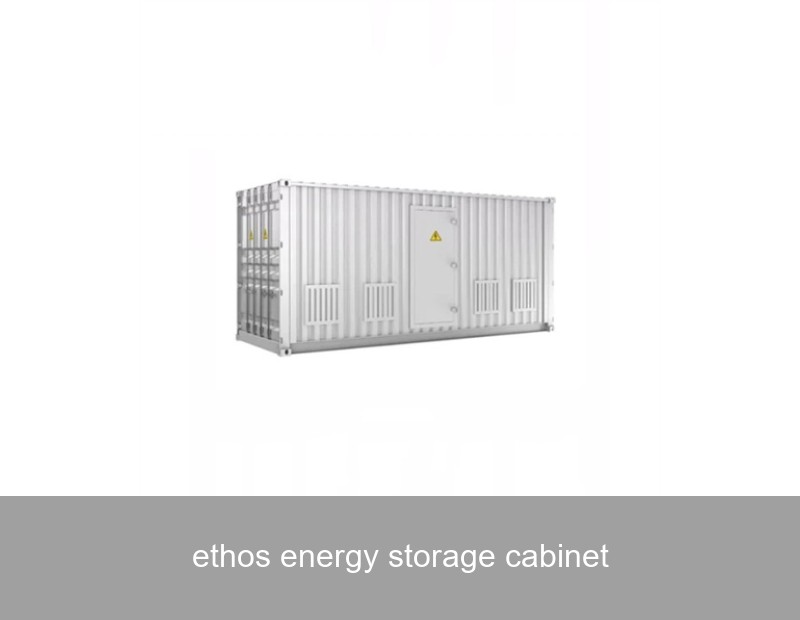
Have you ever wondered how businesses and communities can truly harness the full potential of their solar panels, especially when the sun isn't shining? The answer lies at the heart of a modern energy revolution, and it's called the ethos energy storage cabinet. More than just a battery box, this technology represents a fundamental shift in how we think about power—moving from passive consumption to active, intelligent management. For commercial and industrial entities across Europe and the U.S., integrating a robust energy storage system is no longer a luxury; it's a strategic imperative for resilience, cost control, and sustainability. In this article, we'll explore why the ethos behind these systems matters, how they deliver tangible value, and what you should look for in a solution.
Table of Contents
- What is an Ethos Energy Storage Cabinet?
- The Problem: Intermittency & Rising Costs
- A Real-World Case Study: Manufacturing in Germany
- Key Features of a Modern Energy Storage Cabinet
- Highjoule's Approach: The Symphony BESS Platform
- Looking Ahead: The Future is Integrated
What Exactly is an Ethos Energy Storage Cabinet?
Let's break down the term. "Energy Storage Cabinet" describes the physical unit—a containerized, often modular system that houses advanced lithium-ion battery cells, thermal management systems, and power conversion equipment. The critical differentiator is the "ethos." This refers to the core philosophy and intelligence embedded within the system. An ethos energy storage cabinet is designed not just to store electricity, but to optimize its use based on a set of principles: maximizing self-consumption of renewable energy, ensuring grid stability, providing backup power, and delivering the best possible financial return. It's a smart, connected asset that makes decisions in real-time.

Image Source: Unsplash - A modern, cabinet-style battery energy storage system.
The Problem: Intermittency, Peak Charges, and Grid Vulnerability
The push for renewables is undeniable. However, solar and wind are inherently variable. A factory running on solar power faces a sharp production drop in the evening or on cloudy days, forcing it to buy expensive power from the grid. Furthermore, utilities in both Europe and North America increasingly use demand charges—fees based on your highest 15-minute power draw in a billing cycle. A single spike in operation can lead to staggering electricity bills. This volatility isn't just a cost issue; it's a resilience issue. Extreme weather events have exposed the fragility of traditional grids, leading to costly downtime for businesses.
The Data: The Financial and Grid Imperative
The numbers speak volumes. According to the U.S. Department of Energy's Solar Futures Study, achieving a decarbonized grid will require hundreds of gigawatts of energy storage. On the economic front, commercial facilities can see demand charges constitute 30-50% of their total electricity bill. Strategically discharging an ethos energy storage cabinet during peak periods can slash these charges by 20-40%. A report by Wood Mackenzie notes that the U.S. energy storage market alone is set to grow exponentially, driven largely by commercial and industrial (C&I) applications seeking bill savings and backup power.
| Challenge | Without Storage | With Intelligent Storage |
|---|---|---|
| Solar Self-Consumption | ~30-40% (excess sold cheap) | ~80-90% (used on-site) |
| Demand Charge Management | High, unpredictable peaks | Peaks shaved by 20-40% |
| Backup Power Duration | Minutes (generator reliant) | Hours of critical load coverage |
| Grid Services Revenue | None | Potential for ancillary service income |
A Real-World Case Study: Bavarian Automotive Supplier
Consider the case of a mid-sized automotive parts manufacturer in Bavaria, Germany. Facing high Strompreise (electricity prices) and a corporate mandate to reduce carbon footprint, they installed a 500 kW / 1 MWh containerized battery storage system alongside an existing 800 kW rooftop solar array. The system's intelligence (ethos) was configured for three primary goals: 1) Maximize solar self-consumption, 2) Avoid grid peaks during afternoon production runs, and 3) Provide 2 hours of backup for critical assembly lines.
- Solar Self-Consumption Rate Increased: From 35% to 85%.
- Demand Charges Reduced: By approximately €18,000 annually.
- Overall Energy Costs Saved: 22% reduction in net electricity spend.
- CO2 Emissions Avoided: An additional 120 tonnes per year.
- ROI Timeline: Projected payback period of under 7 years, enhanced by a local storage incentive.
This tangible success story underscores how the right storage solution, guided by a clear operational ethos, turns sustainability goals into financial assets.
Key Features of a Modern Ethos Energy Storage Cabinet
Not all storage cabinets are created equal. When evaluating a system, look for these hallmarks of an intelligent ethos:
- Advanced Battery Management System (BMS): The true "brain" that ensures cell-level safety, longevity, and performance.
- AI-Powered Energy Management Software (EMS): This software learns your load patterns, weather forecasts, and tariff structures to make optimal charge/discharge decisions automatically.
- Modular & Scalable Design: The ability to start with a needed capacity and expand later as your business grows.
- Robust Safety Certifications: Look for UL 9540 (U.S.) or equivalent IEC standards (Europe) for complete system safety.
- Grid-Interactive Capabilities: The ability to safely island from the grid during outages and potentially provide services back to the grid when configured to do so.
Highjoule's Symphony Platform: Where Ethos Becomes Reality
At Highjoule, our ethos is built on the principle of making sustainable energy reliable, intelligent, and effortlessly integrated. For over 18 years, we have translated this philosophy into our flagship product: the Highjoule Symphony Commercial & Industrial Energy Storage System.
The Symphony platform embodies the intelligent ethos energy storage cabinet. It's a fully integrated, all-in-one solution that combines our proprietary, UL 9540-certified battery cabinets with a cutting-edge, cloud-connected EMS. What sets Symphony apart is its predictive orchestration. It doesn't just react; it forecasts. By analyzing historical consumption, real-time production data, and even weather APIs, Symphony pre-schedules operations to maximize economic outcomes.

Image Source: Unsplash - Advanced digital control for energy management systems.
Our services extend beyond hardware. We provide comprehensive feasibility studies, system design, turnkey installation, and ongoing performance monitoring. For a retail chain in California, this meant designing a distributed storage network across multiple stores to collectively reduce their peak demand. For a hospital in Sweden, it meant engineering a system with seamless transfer switching to ensure life-saving equipment never loses power. Highjoule's solution adapts to your specific operational ethos.
Looking Ahead: The Future is Integrated and Intelligent
The next evolution of the ethos energy storage cabinet lies in deeper integration. Imagine systems that communicate directly with EV fleets, smart building controls, and wholesale energy markets in real-time. The cabinet becomes a dynamic node in a flexible, decentralized energy network. This isn't science fiction; it's the direction of grid modernization efforts on both sides of the Atlantic, supported by policies like FERC Order 2222 in the U.S. and the EU's Clean Energy Package.
Is your organization ready to move from simply paying for energy to actively managing it as a strategic asset? What would a 20-30% reduction in your annual energy costs and a strengthened resilience profile mean for your operational planning and sustainability reporting?
 Inquiry
 Online Chat