


Unlocking Energy Independence: The Comprehensive Guide to 48V Lithium Battery Systems
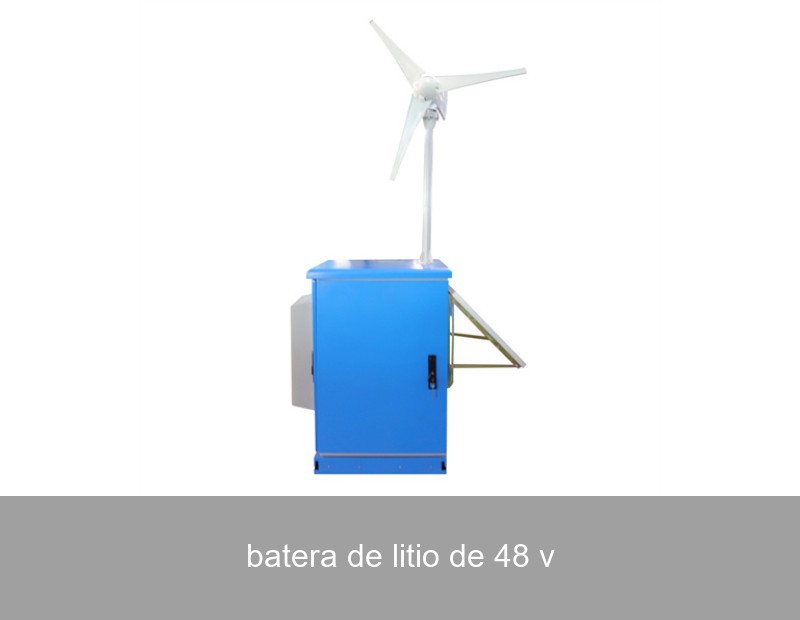
If you're exploring reliable power for your home, business, or off-grid project, you've likely encountered the term "48V lithium battery." But what makes this specific voltage and chemistry the preferred choice for modern energy storage? As we transition from traditional lead-acid to advanced solutions, the 48V lithium-ion system has emerged as the sweet spot for efficiency, scalability, and longevity. This isn't just a technical specification; it's the backbone of a smarter, more resilient energy ecosystem. In this guide, we'll demystify the technology, present compelling data, and show you how leading providers like Highjoule are leveraging 48V systems to power a sustainable future.
The Phenomenon: A Quiet Shift in Power Systems
Walk through any modern residential solar installation, a state-of-the-art microgrid, or even a premium recreational vehicle, and you'll find a common heartbeat: a 48V lithium battery bank. This quiet revolution is moving away from the old 12V or 24V standards. Why? The answer lies in physics and economics. Higher voltage systems, like 48V, handle the same amount of power with lower current. Lower current means less energy lost as heat, thinner and more affordable wiring, and significantly higher overall system efficiency. For system integrators and homeowners alike, this translates into safer installations, lower upfront costs on components, and more usable energy from every sunbeam captured by your solar panels.

A modern 48V lithium battery bank enables cleaner, more organized, and safer energy storage installations.
The Data: Why the Numbers Don't Lie
Let's talk specifics. Compared to their lead-acid predecessors, 48V lithium batteries offer transformative advantages. The depth of discharge (DoD) tells a powerful story: while a quality lead-acid battery might only safely use 50% of its rated capacity, lithium batteries, like those from Highjoule, can consistently deliver 90-100% DoD without damage. This effectively doubles the usable energy from a similarly rated battery.
Then there's lifespan, measured in cycles. A lead-acid battery may offer 1,000-1,500 cycles at a shallow discharge. A premium 48V LiFePO4 (Lithium Iron Phosphate) battery, the chemistry renowned for its safety and cycle life, routinely exceeds 6,000 cycles while retaining 80% of its original capacity. Over a 20-year period, this means fewer replacements, less waste, and a drastically lower total cost of ownership.
| Feature | 48V Lithium (LiFePO4) | 48V Sealed Lead-Acid (AGM) |
|---|---|---|
| Usable Depth of Discharge | >90% | ~50% |
| Cycle Life (to 80% capacity) | 6,000+ | 1,200-1,500 |
| Round-Trip Efficiency | >96% | ~80% |
| Weight & Footprint | Up to 70% lighter, 50% smaller | Heavy, Bulky |
| Maintenance | Essentially Zero | Regular equalization needed |
According to a landmark study by the National Renewable Energy Laboratory (NREL), the levelized cost of storage for lithium-ion batteries has fallen by over 70% in the last decade, driven by improved chemistry, manufacturing, and high-voltage system adoption. This isn't a niche trend; it's the new standard.
Case Study: A Real-World Success in Germany
Let's move from theory to practice. Consider a mid-sized dairy farm in Bavaria, Germany. Facing rising electricity costs and a desire for energy autonomy, the farm installed a 45 kW solar array. The initial plan included a large lead-acid battery bank. However, after consulting with a Highjoule-certified installer, they opted for a modular Highjoule H-Ion 48V Series lithium system with a total capacity of 40 kWh.
- Self-Consumption Rate: Increased from 35% to 88%, meaning they use almost all the solar energy they produce.
- Grid Dependence: Reduced by over 75%, shielding them from volatile energy prices.
- Space Saved: The compact Highjoule 48V cabinets used 60% less space than the proposed lead-acid system, freeing up valuable barn area.
- Performance in Winter: Unlike lead-acid, the lithium batteries maintained over 95% of their rated capacity even during sub-zero temperatures, thanks to integrated intelligent thermal management.
This case exemplifies the tangible benefits: robust ROI, operational resilience, and seamless integration with renewable generation. The 48V architecture allowed for easy expansion—the farm plans to add another 20 kWh module next year as they electrify more equipment.
Expert Insights: Key Considerations for Your System
Choosing a 48V lithium battery is a fantastic decision, but not all systems are created equal. Here are critical factors from our experience at Highjoule:
1. Chemistry Matters: LiFePO4 is the Gold Standard
For stationary energy storage, Lithium Iron Phosphate (LiFePO4) is overwhelmingly recommended. It offers superior thermal and chemical stability, making it inherently safer than other lithium chemistries. It also delivers the exceptional cycle life we discussed. Always verify the core cell chemistry.
2. The Brain Behind the Brawn: Battery Management System (BMS)
A premium battery is defined by its BMS. This onboard computer is crucial for safety, performance, and longevity. A high-quality BMS, like the one in every Highjoule unit, provides cell-level monitoring, voltage balancing, temperature control, and communication with your inverter. It’s the guardian that ensures your investment lasts for decades.
3. Scalability and Integration
Your energy needs will evolve. A quality 48V system should allow for parallel connection of multiple batteries to increase capacity seamlessly. Furthermore, it must communicate flawlessly with major inverter brands (e.g., Victron, SMA, Sol-Ark) using standard protocols like CAN bus or RS485. True plug-and-play integration saves on installation complexity and cost.

Professional monitoring and a robust BMS are essential for maximizing the performance and safety of a 48V lithium battery system.
How Highjoule Delivers Superior 48V Solutions
At Highjoule, we've been engineering advanced energy storage solutions since 2005. Our H-Ion 48V Series is specifically designed to meet the rigorous demands of the European and North American markets. We don't just sell batteries; we deliver integrated power resilience.
Our products stand out through:
- Modular & Scalable Design: Start with a single 5kWh module and expand to a massive multi-megawatt-hour system. Our stackable design grows with your needs.
- Industrial-Grade Safety: Built with automotive-grade LiFePO4 cells, multi-layer protection circuits, and UL1973 / IEC62619 certifications, ensuring peace of mind.
- Smart Energy Management: Integrated with the Highjoule Energy OS, our systems can intelligently shift loads, participate in demand response programs (where available), and optimize for time-of-use rates, putting you in full control of your energy economics.
- Global Support & Warranty: Backed by a 10-year performance warranty and supported by a network of certified installers across Europe and the USA, we ensure your system performs for the long haul.
Whether for a residential solar-plus-storage setup, a critical industrial backup power application, or a complex commercial microgrid, Highjoule's 48V platform provides the reliable, efficient, and intelligent foundation.
The Future of Your Energy Independence
The journey towards energy independence is both an economic and environmental imperative. The 48V lithium battery is more than a component; it's the cornerstone of this new energy paradigm. It empowers you to capture, store, and use renewable energy on your own terms, reducing your carbon footprint and insulating yourself from grid instability. As technologies like vehicle-to-grid (V2G) evolve, as noted by the U.S. Department of Energy, standardized high-voltage DC systems like 48V will only become more central to our energy infrastructure.
What specific energy challenge—be it unpredictable utility bills, frequent power outages, or a goal for 100% renewable living—could a scalable and intelligent 48V lithium battery system solve for you?
 Inquiry
 Online Chat