


Powering Your Farm House with Solar Panels: A Modern Energy Blueprint
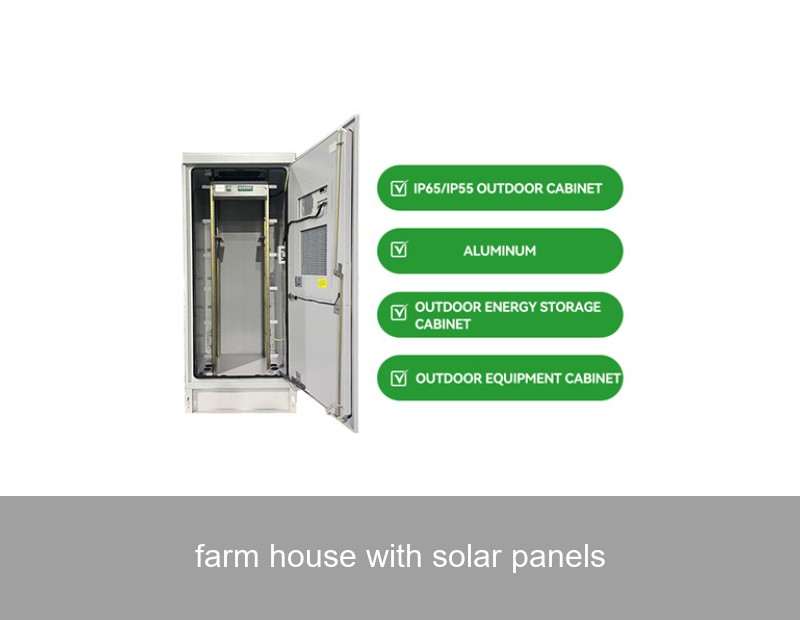
Table of Contents
- The Rural Energy Shift: From Grid Dependency to Energy Independence
- Beyond the Panels: The Critical Role of Energy Storage
- A Real Farm Case Study: Data from the Fields of Bavaria
- Choosing the Right System for Your Farmstead
- The Highjoule Solution: Intelligent Energy for the Modern Farm
- What Does the Energy-Smart Farm of the Future Look Like?
a classic farm house, its roof glistening with an array of solar panels, standing resilient against a backdrop of rolling fields. This isn't just a scenic image; it's a powerful statement of modern, sustainable agriculture. For farm owners across Europe and the U.S., integrating solar panels into a farm house is no longer a fringe "green" idea—it's a strategic business decision. But the real transformation doesn't end with the panels themselves. The true revolution for the modern farmstead lies in intelligently harnessing, storing, and managing that solar power. Let's explore how this synergy creates not just savings, but true energy resilience.
The Rural Energy Shift: From Grid Dependency to Energy Independence
Farm operations are energy-intensive. From milking parlors and refrigeration to water pumping and workshop tools, a consistent and reliable power supply is the lifeblood of the operation. Grid outages, volatile energy prices, and the remote nature of many farms create unique vulnerabilities. This is where the farm house with solar panels becomes the cornerstone of a new energy paradigm. By generating your own electricity, you immediately buffer against rising utility rates. However, the sun's schedule rarely aligns perfectly with a farm's energy demands—peak production often occurs midday, while critical needs might be at dawn or dusk. This mismatch highlights the single most important upgrade to a basic solar setup: the battery energy storage system (BESS).

Image Source: Unsplash - A modern farmhouse utilizing solar energy.
Beyond the Panels: The Critical Role of Energy Storage
Think of your solar panels as a highly productive field, and a battery storage system as your grain silo. The "silo" allows you to store the abundant harvest (solar energy) from the sunny hours to use exactly when you need it most. This simple concept unlocks multiple layers of value for a farm:
- Energy Security: Keep essential systems running during grid outages, protecting livestock, perishables, and operational continuity.
- Maximized Self-Consumption: Use more of your own solar energy, sometimes increasing self-consumption rates from 30% to 70% or more, drastically reducing power bills.
- Load Management: Intelligently power high-demand equipment (like irrigation pumps) from stored energy, avoiding costly demand charges from the utility.
- Financial Returns: In many regions, you can participate in grid services or sell excess stored power at peak times, creating a new revenue stream.
A Real Farm Case Study: Data from the Fields of Bavaria
Let's look at a concrete example. The Schuster family dairy farm in southern Germany, operating 80 cows and significant milking/refrigeration infrastructure, installed a 45 kW solar array on their farmhouse and barn roofs in 2020. Initially, they were exporting over 60% of their generation to the grid at a low feed-in tariff. In 2022, they integrated a 40 kWh lithium-ion battery storage system.
The results after one full year were compelling:
| Metric | Before Storage | After Storage | Change |
|---|---|---|---|
| Solar Self-Consumption | 35% | 82% | +134% |
| Grid Electricity Purchases | 18,500 kWh/yr | 4,200 kWh/yr | -77% |
| Annual Energy Cost | €5,800 | €1,300 | €4,500 Saved |
Furthermore, the system provided backup power during two grid outages, preventing spoilage of chilled milk. The Schuster family's experience underscores that for a farm house with solar panels, adding storage is what transforms a cost-saving project into a resilient, high-return investment. You can explore more about the benefits of agricultural solar from authoritative sources like the U.S. Department of Energy.
Choosing the Right System for Your Farmstead
Not all storage solutions are created equal, especially for the demanding environment of a farm. Key considerations include:
- Scalability: Can the system grow if you expand your operations or add an electric vehicle charger?
- Durability & Warranty: It must withstand temperature fluctuations in barns or garages and come with a robust, long-term warranty.
- Intelligent Management: The system's brain (its inverter and software) should automatically optimize for your specific usage patterns, weather forecasts, and even utility rate structures.
- Safety: Look for systems with proven, stable battery chemistry and integrated safety features.
The Highjoule Solution: Intelligent Energy for the Modern Farm
This is where Highjoule's expertise becomes directly relevant to your vision of a sustainable farm house with solar panels. Since 2005, we have specialized in designing integrated energy storage systems that move beyond simple battery boxes. For agricultural applications, we offer the Highjoule Hive Platform—a modular, smart BESS designed for resilience and return on investment.
Imagine a system that doesn't just store energy, but actively manages your farm's entire energy ecosystem. The Hive's intelligent controller can prioritize powering your cold storage during an outage, schedule your water pump to run on stored solar power, and even adapt to your region's specific utility programs. Our Hive-Core Commercial series, for instance, is built with lithium iron phosphate (LFP) batteries, known for their long cycle life and superior thermal stability—a perfect fit for non-climate-controlled farm buildings. Paired with our energy management software, you gain complete visibility and control over your energy production, storage, and consumption from any device.

Image Source: Unsplash - A modern battery energy storage system.
For larger operations or microgrid projects, such as those involving multiple farm buildings or community-based agricultural networks, our Highjoule Matrix systems provide utility-scale power management in a containerized solution. We work with you, your solar installer, and your utility to create a seamless, future-proof power solution. The goal is simple: to make your farm house with solar panels the most energy-independent and cost-effective asset on your property. For independent data on storage technologies, the National Renewable Energy Laboratory (NREL) provides excellent resources.
What Does the Energy-Smart Farm of the Future Look Like?
It's a farm where every kilowatt-hour is put to its most valuable use. Solar panels charge batteries, which then power evening operations and critical loads. An electric farm vehicle might be charged overnight from the day's surplus. During a regional peak demand event, the farm's storage system could briefly support the local grid, earning additional income. This integrated, intelligent approach turns the farm from an energy consumer into a proactive energy hub.
The journey to a truly resilient farm house with solar panels starts with a conversation about your specific needs, challenges, and goals. What is the one piece of equipment on your farm that a 4-hour power outage would put at the greatest risk, and how can we design a system to protect it?
 Inquiry
 Online Chat