


Solar Connection to Battery: Your Complete Guide to Unlocking Energy Independence
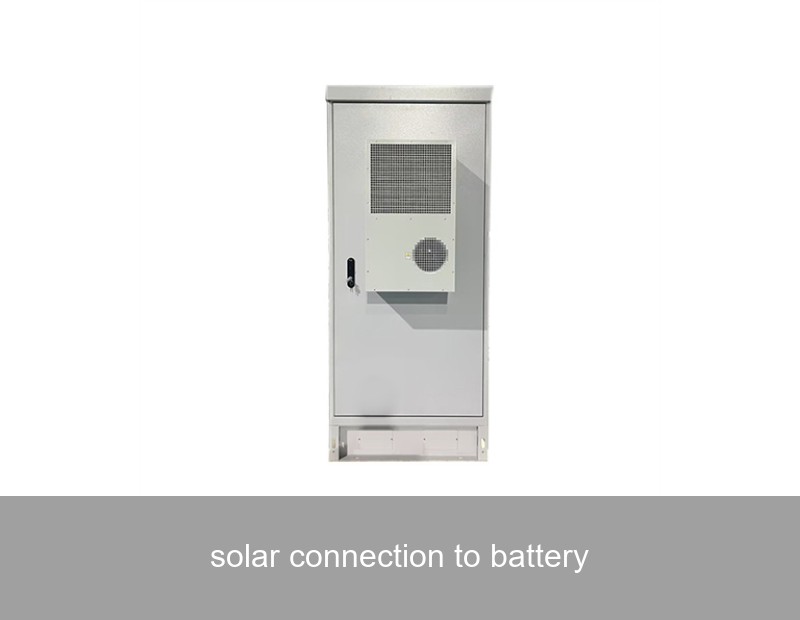
You've made the smart decision to invest in solar panels. You're generating clean energy, reducing your carbon footprint, and watching your electricity bills drop. But have you ever wondered what happens to all that glorious sunshine power when the sun goes down, or on a cloudy day? This is where the magic of a solar connection to battery comes in. It's the game-changer that transforms your solar array from a daytime-only producer into a 24/7 personal power plant. Let's explore how this technology works, why it's becoming essential, and how it can empower your home or business.
Table of Contents
- The Missing Link in Your Solar Setup
- How Does a Solar Connection to a Battery Actually Work?
- Key Benefits: Beyond Just Backup Power
- Choosing the Right System: What to Look For
- Highjoule's Intelligent Solutions for a Connected Future
- Is Your Energy Setup Ready for the Next Step?
The Missing Link in Your Solar Setup
Think of your solar panels as a brilliant water source—a spring that flows abundantly during the day but dries up at night. Without a storage tank (the battery), you can only use the water when it's flowing. This is the fundamental limitation of solar-only systems: excess energy is often sent back to the grid for a small credit (net metering), but you remain reliant on the grid when your panels aren't producing.
The energy landscape is shifting. Grid instability, increasing electricity rates, and a growing desire for true self-sufficiency are driving homeowners and businesses to seek control. According to the Solar Energy Industries Association (SEIA), the U.S. solar and storage market is expected to grow significantly, with storage attachments becoming a standard rather than an exception. A proper solar connection to battery is no longer a luxury; it's the cornerstone of a resilient and optimized energy strategy.
How Does a Solar Connection to a Battery Actually Work?
It's a symphony of intelligent components working in harmony. Here’s a simplified breakdown:
- Generation: Solar panels convert sunlight into Direct Current (DC) electricity.
- Conversion & Routing: A critical device called a hybrid inverter or a system of inverters takes center stage. It converts the DC power from your panels into Alternating Current (AC) for your home's use. Its intelligence decides, in real-time, where to send the power.
- Storage & Management: When your solar production exceeds your immediate consumption, the inverter directs the surplus to charge your battery bank (storing it as DC power). An advanced Battery Management System (BMS) protects the battery's health and longevity.
- Discharge: When the sun sets or demand spikes, the system seamlessly draws power from the battery, converting it back to AC to keep your lights on and appliances running.

Image: A modern home solar and battery storage setup. (Source: Unsplash, credit to photographer)
The entire process is managed by sophisticated energy management software, ensuring efficiency and prioritizing power to critical loads during an outage.
Key Benefits: Beyond Just Backup Power
While emergency backup is a major motivator, the advantages run much deeper:
- Maximized Self-Consumption: Use more of the cheap, clean energy you produce, sometimes increasing solar self-consumption rates to over 80%.
- Bill Savings & Load Shifting: Avoid drawing expensive power from the grid during peak evening hours. Store solar energy at noon and use it at 7 PM when rates are highest.
- Grid Independence & Resilience: Weather-related outages become a minor inconvenience. Your essential circuits stay powered, providing peace of mind.
- Support for Grid Stability: Advanced systems can participate in grid services programs, potentially creating a new revenue stream.
Real-World Impact: A Case Study from California
Let's look at data from a real project. A medium-sized winery in Napa Valley, California, faced two challenges: unpredictable grid outages during fire season that threatened their refrigeration systems, and crippling peak demand charges on their commercial utility bill.
In 2022, they installed a 250 kW solar array with a 500 kWh solar connection to battery system. The results after one year were telling:
| Metric | Before System | After System | Change |
|---|---|---|---|
| Annual Grid Energy Consumption | 420,000 kWh | 110,000 kWh | -74% |
| Peak Demand Charge (Monthly Avg.) | $4,800 | $1,200 | -75% |
| Outage Protection | 0 hours (full shutdown) | Critical loads protected for 10+ hours | Complete resilience |
| Estimated Payback Period | N/A | 5.2 years | Strong ROI |
This case, documented in a National Renewable Energy Laboratory (NREL) report on commercial storage, highlights the tangible financial and operational benefits. The winery now operates its crucial cooling systems reliably, slashing operational costs and safeguarding its product.
Choosing the Right System: What to Look For
Not all solar battery connections are created equal. Here are key considerations:
- Battery Chemistry: Lithium Iron Phosphate (LFP) is now the leading choice for residential and commercial storage due to its superior safety, long cycle life, and stability.
- Inverter Compatibility: Is it a DC-coupled, AC-coupled, or hybrid system? DC-coupled systems are generally more efficient for new installations.
- Scalability: Can you easily add more battery capacity later as your needs grow?
- Software Intelligence: The "brain" of the system. Look for software that learns your usage patterns, integrates weather forecasts, and can be configured for various goals (e.g., maximize savings vs. maximize backup).
- Professional Installation & Service: This is a complex, high-voltage system. Certified, experienced installers are non-negotiable for safety and performance.
Highjoule's Intelligent Solutions for a Connected Future
At Highjoule, with nearly two decades of experience since 2005, we've engineered our systems specifically to master the solar connection to battery. We understand that it's not just about connecting hardware; it's about creating an intelligent, adaptive energy ecosystem.
Our flagship product, the Highjoule Nexus Series, is built on three core principles:
- Seamless Integration: The Nexus hybrid inverter is designed from the ground up for solar-plus-storage, offering high conversion efficiency and native compatibility with our LFP battery modules. This eliminates integration headaches and ensures optimal performance.
- Adaptive Intelligence: Our JouleMind AI software platform is what sets us apart. It doesn't just react; it predicts. By analyzing your historical consumption, local weather patterns, and even utility rate schedules, it autonomously optimizes your energy flow to meet your financial or resilience goals.
- Uncompromising Safety & Durability: Our battery packs feature a multi-layered safety architecture with cell-level monitoring and thermal management, certified to the highest international standards. They are built to last, backed by industry-leading warranties.

Image: An example of a modern, wall-mounted residential battery storage unit. (Source: Unsplash, credit to photographer)
For commercial and industrial clients, our Highjoule Matrix scalable containerized solutions provide utility-grade power management, allowing businesses to take control of demand charges and participate in energy markets. From a single-family home to a community microgrid, Highjoule provides the intelligent hardware and software backbone for a sustainable energy future.
Is Your Energy Setup Ready for the Next Step?
The journey to true energy independence starts with a question. What are your primary energy goals: is it absolute resilience during storms, significant long-term savings on your utility bill, or contributing to a cleaner grid? Understanding your motivation is the first step in designing the perfect solar connection to battery system for your unique needs.
What single energy challenge—be it an unreliable grid, rising costs, or sustainability targets—would you most like to solve with your own power?
 Inquiry
 Online Chat