


Floating Solar Photovoltaic Systems: The Next Wave in Renewable Energy
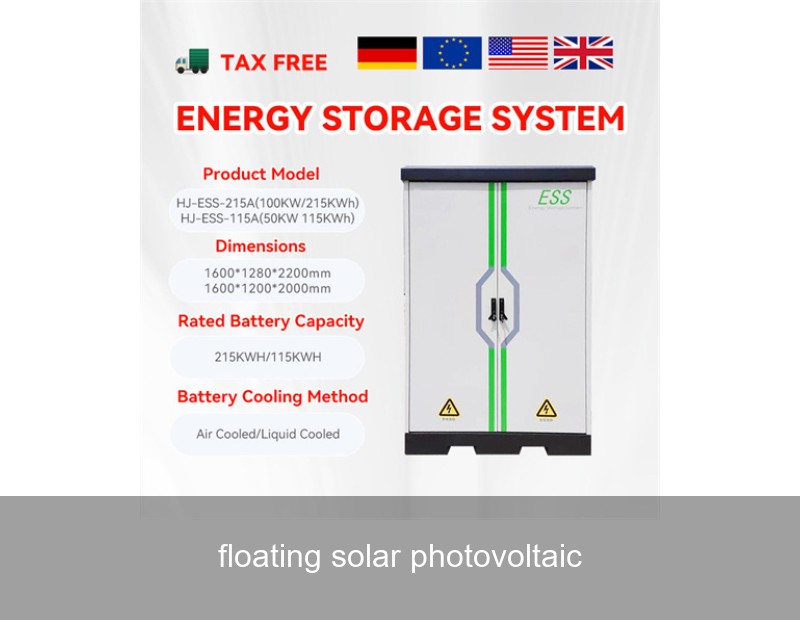
Imagine a future where our quest for clean energy doesn't compete for precious land but harmoniously coexists with our water resources. This is the promise of floating solar photovoltaic (FPV) technology. As countries across Europe and North America ramp up their decarbonization efforts, innovators are looking beyond traditional solar farms. Floating solar, the installation of solar panels on bodies of water, is emerging as a powerful solution to land constraints and a surprising ally in enhancing energy efficiency. For over 15 years, Highjoule has been at the forefront of intelligent energy storage, and we see FPV not just as a novel idea, but as a critical component in the future resilient, multi-source microgrid.
Table of Contents
What is Floating Solar Photovoltaics?
Floating solar photovoltaic systems are exactly what the name suggests: solar panels mounted on a floating structure that sits on a body of water. This can include reservoirs, quarry lakes, irrigation ponds, and even calm coastal waters. The system consists of three main components: the floating pontoon (often made of high-density polyethylene), the mounting structure for the PV modules, and the anchoring system to keep the entire array in place. An inverter converts the DC power to AC, which is then transmitted to shore via underwater cables.
The concept is gaining remarkable traction. According to the World Bank, the global potential for floating solar on man-made reservoirs alone is in the terawatt scale. Europe, with its extensive network of hydroelectric reservoirs and industrial water bodies, and the United States, with thousands of municipal water reservoirs, are prime markets for this dual-use technology.
Key Benefits and Real Challenges
Why go through the trouble of installing solar on water? The advantages are more compelling than you might think.
- Land Preservation: It avoids competition for scarce and expensive land, a significant hurdle in densely populated regions like Western Europe or California.
- Improved Efficiency: The natural cooling effect of water can increase panel efficiency by 5-15%, leading to more energy yield over the system's lifetime.
- Reduced Evaporation: By covering parts of a reservoir, FPV can significantly reduce water evaporation—a critical benefit in drought-prone areas.
- Synergy with Hydropower: Existing grid connections and infrastructure at hydropower dams can be leveraged, creating hybrid systems that smooth out power generation.
However, it's not without its hurdles. The environment is inherently more corrosive. Systems face constant moisture, potential biofilm growth, and wave action. This demands exceptionally robust components, from corrosion-resistant panel frames to durable floating systems. Furthermore, the variable nature of solar power means that without storage, the energy isn't available when demand peaks in the evening. This is where advanced energy storage systems (ESS) become non-negotiable for a reliable power supply.
A European Case Study: The Oostvoornse Meer Project
Let's look at a real-world example to see these principles in action. In the Netherlands, a country famously short on land but rich in water, the Oostvoornse Meer floating solar project stands as a pioneering effort. Installed on a former sand extraction lake, this 8.4 MWp system consists of over 24,000 solar panels.

Image Source: Wikimedia Commons, showing the scale of the Oostvoornse Meer FPV installation.
The project faced the classic North Sea challenges: strong winds and corrosive salty air. The engineering solution involved specially designed floats and mooring systems to withstand these conditions. But the innovation didn't stop at generation. To maximize the value of the generated power and ensure stable integration into the local grid, the project developers integrated a large-scale battery energy storage system (BESS). This storage component absorbs excess solar production during peak sun hours and dispatches it during periods of high demand or low sunlight, effectively turning the intermittent solar source into a more predictable and dispatchable power plant. This case perfectly illustrates the phenomenon of land scarcity driving innovation, the data on efficiency gains (the developers reported performance boosts from cooling), and the critical insight that generation and storage are two sides of the same coin for modern renewable projects.
The Critical Role of Energy Storage & Highjoule's Solution
The Oostvoornse Meer case brings us to the core of a successful FPV deployment: intelligent integration and storage. Solar power, whether on land or water, is inherently variable. An advanced BESS is what transforms a floating solar plant from a simple generator into a reliable, grid-supporting asset.
This is Highjoule's expertise. Since 2005, we have specialized in designing and deploying smart, efficient battery storage systems that are the perfect partner for floating solar installations. Our HI-Stack Commercial & Industrial (C/I) ESS is engineered for resilience and seamless integration.
- Grid Stability: It provides frequency regulation and voltage support, crucial when connecting new generation sources to often-strained grids.
- Energy Time-Shifting: It stores surplus solar energy produced at midday for use during the evening peak, dramatically improving the project's economics and self-consumption ratio.
- Built for Tough Environments: Our containerized solutions are designed with robust environmental controls, making them suitable for siting near coastal or lacustrine environments associated with FPV projects.
For a floating solar developer, partnering with Highjoule means more than just buying a battery. It means accessing our deep expertise in system design, grid compliance, and long-term performance optimization. We provide a complete solution—from initial feasibility analysis to ongoing monitoring via our Highjoule Energy Management Platform—ensuring your floating asset delivers maximum financial and environmental returns for decades.
| Challenge of Floating Solar | How Highjoule's ESS Addresses It |
|---|---|
| Intermittent Power Generation | Provides energy time-shifting and smooths output for grid compatibility. |
| Remote Monitoring & O&M | Offers 24/7 cloud-based platform for performance tracking and predictive maintenance. |
| Maximizing ROI | Enables participation in grid service markets (like frequency response) for additional revenue streams. |
The Future Potential of Floating Solar
The trajectory for floating solar is steeply upward. We are moving beyond standalone installations to hybrid "floatovoltaics-plus-storage" plants and even triple hybrids combining floating solar, hydropower, and storage. Imagine a hydro dam where solar panels on the reservoir cover peak daytime demand, the batteries provide instant grid services, and the hydro turbines are saved for nighttime or emergency backup. This creates the ultimate flexible and reliable renewable power station.

Image Source: Unsplash, representing the innovative future of solar technology.
Research published in Nature journals suggests that covering just 10% of the world's man-made reservoirs with FPV could produce an amount of electricity equivalent to nearly half the global coal-fired power capacity. The potential is staggering, but unlocking it requires more than just floating panels—it requires intelligent system design where generation, storage, and smart control work in perfect harmony.
Ready to Ride the Next Wave in Renewable Energy?
Floating solar photovoltaics represents a brilliant convergence of necessity and innovation. It addresses land-use conflicts, boosts efficiency, and conserves water. Yet, its true potential is only realized when paired with sophisticated energy storage. As you consider the future of your renewable energy portfolio or community project, ask yourself: Is my strategy just about generating green electrons, or is it about delivering reliable, dispatchable, and intelligent power 24/7? At Highjoule, we're here to help you answer that question and build the resilient energy systems of tomorrow, on land, or on water.
What unique water body in your region could be transformed into a source of clean, reliable power?
 Inquiry
 Online Chat