


Gabinete para Intemperie: The Unsung Hero of Reliable Renewable Energy Systems
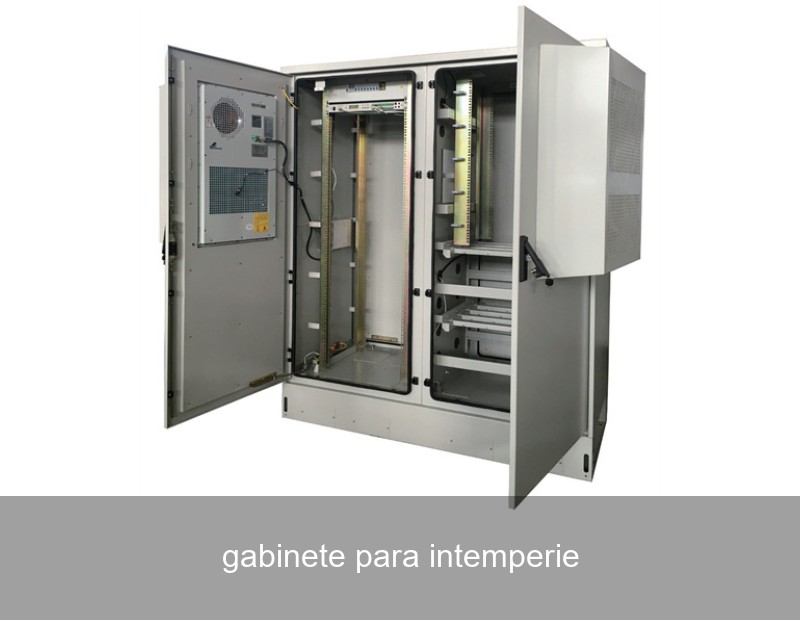
When we think about solar farms or battery storage sites, we envision gleaming panels and sleek battery racks. But what about the critical components that make it all work safely and continuously? Often tucked away, the weatherproof enclosure – or gabinete para intemperie – is the rugged, protective shell safeguarding the brains and heart of your energy system. It’s the first and most vital line of defense against the elements, ensuring that inverters, controllers, and monitoring systems operate flawlessly for decades, whether under the scorching Arizona sun or in a stormy North Sea breeze. For developers, EPCs, and asset managers, specifying the right enclosure isn't just a box-ticking exercise; it's a fundamental decision impacting long-term ROI and system uptime.
Why It Matters: The Silent Guardian of Your Energy Investment
Let's be honest: enclosures aren't the most glamorous topic. But consider this phenomenon: a sudden spike in system failures at a cluster of solar installations in a coastal region. The culprit? It wasn't the panels or the inverters themselves, but salt mist corrosion and moisture ingress inside poorly specified cabinets, leading to costly electrical faults and downtime.
The data speaks volumes. According to a DNV report on renewable asset reliability, environmental factors account for nearly 20% of all non-panel related failures in solar assets. The financial impact is real. Unplanned maintenance, especially in remote or hard-to-access locations, can be exorbitant. A simple seal failure on a cabinet door can lead to a cascade of issues: short circuits, sensor malfunctions, and even fire risks. This is where the engineering of a true gabinete para intemperie becomes critical. It's not merely a box; it's a controlled environment.

Image: A high-grade outdoor enclosure protecting electrical components in a solar installation. (Source: Unsplash, representative image)
Key Features of a High-Performance Weatherproof Enclosure
So, what separates a standard cabinet from a high-performance, purpose-built weatherproof enclosure? It's a combination of design, material science, and meticulous testing.
- Ingress Protection (IP) Rating: Look for a minimum of IP54 for general outdoor use, but for harsh coastal or dusty environments, IP65 or higher is essential. This rating certifies protection against dust and water jets.
- Corrosion Resistance: Materials matter. Stainless steel (e.g., 316L grade) or aluminum with a premium powder-coated finish are industry standards for longevity.
- Thermal Management: This is often overlooked. Electronics generate heat. A sealed enclosure needs an efficient way to manage it. Passive solutions include strategic ventilation with filters, while active solutions involve integrated air conditioning or heater units for extreme climates.
- Structural Integrity: The enclosure must withstand wind load, potential impact, and resist UV degradation without warping or discoloring.
A Real-World Case: Protecting a 12MW Solar Farm in Northern Germany
Let's move from theory to practice. A 12MWp solar farm near Hamburg, Germany, faced a predictable yet challenging environment: high humidity, frequent rainfall, and winter temperatures dipping well below freezing. The project's initial design specified standard enclosures for the string combiners and monitoring hubs.
During the value-engineering phase, the EPC partner, together with Highjoule's technical team, conducted a site-specific risk assessment. They recommended upgrading to Highjoule's HJ-ShieldPro Series of weatherproof enclosures. These cabinets feature:
| Feature | Specification | Benefit for the Project |
|---|---|---|
| IP Rating | IP66 | Complete protection against heavy rain and dust ingress. |
| Material | Galvanized Steel with Anti-Corrosion Coating | Optimal balance of strength and cost-effectiveness for the inland climate. |
| Thermal Management | Integrated, passively regulated cooling system | Maintained optimal internal temperature for electronics year-round without external power for cooling fans. |
| Certification | Compliant with IEC 61439-2 & IEC 60529 | Guaranteed performance and safety for grid-connection requirements. |
The result? After three full years of operation, the site manager reported zero enclosure-related faults. The monitoring data showed stable internal humidity levels, and the O&M team confirmed the ease of access and maintenance. By investing in the right gabinete para intemperie upfront, the asset owner avoided an estimated €15,000 in potential corrective maintenance costs in the first three years alone, safeguarding the project's yield and profitability.
Choosing the Right Weatherproof Enclosure for Your Project
Your choice should be guided by a clear checklist tailored to your project's geography and technology.
- Environmental Audit: What are the extreme temperatures, precipitation levels, and airborne contaminants (salt, sand, pollution)?
- Content Sensitivity: How heat-sensitive are the components inside? Inverters, for instance, have strict operational temperature ranges.
- Lifecycle Cost: Consider the total cost of ownership. A cheaper, lower-spec cabinet may cost far more in repairs and lost energy production over a 20-year lifespan.
- Compatibility & Integration: Does the enclosure design allow for easy cable entry, mounting of third-party components, and future expansion?
The Highjoule Solution: Engineered for Resilience
At Highjoule, we understand that our energy storage and power conversion systems are only as reliable as the environment they operate in. That's why our engineering philosophy extends to the protective housing. Our HJ-ShieldPro and HJ-WeatherMax enclosure lines are not off-the-shelf products. They are designed in parallel with our battery management systems and inverters, ensuring perfect integration and optimized thermal performance.
For a commercial & industrial battery storage installation in Texas, for example, we provided a custom gabinete para intemperie solution that combined an IP65-rated shell with a built-in, high-efficiency cooling loop tied to the system's thermal management. This proactive design prevented overheating during peak summer demand, a common issue in the region, ensuring 99.7% system availability in its first critical year. We don't just sell boxes; we provide certified, tested protective ecosystems as part of our comprehensive energy storage solutions, backed by nearly two decades of field experience from the Alps to the Australian Outback.

Image: An engineer accessing a well-designed outdoor enclosure for maintenance. (Source: Unsplash, representative image)
Beyond the Box: A System-Level Perspective
Ultimately, specifying a gabinete para intemperie is about adopting a system-level perspective. It's about recognizing that every component, down to the seals on a cabinet door, plays a role in the durability and financial success of your renewable energy asset. Partnering with a provider like Highjoule, who takes ownership of the entire system's resilience, mitigates risk and simplifies your supply chain.
What's the one environmental challenge in your next project that keeps you up at night, and how could a smarter enclosure design help you sleep better?
 Inquiry
 Online Chat