


Generador Solar y Eléctrico: Your Ultimate Guide to Hybrid Power Independence
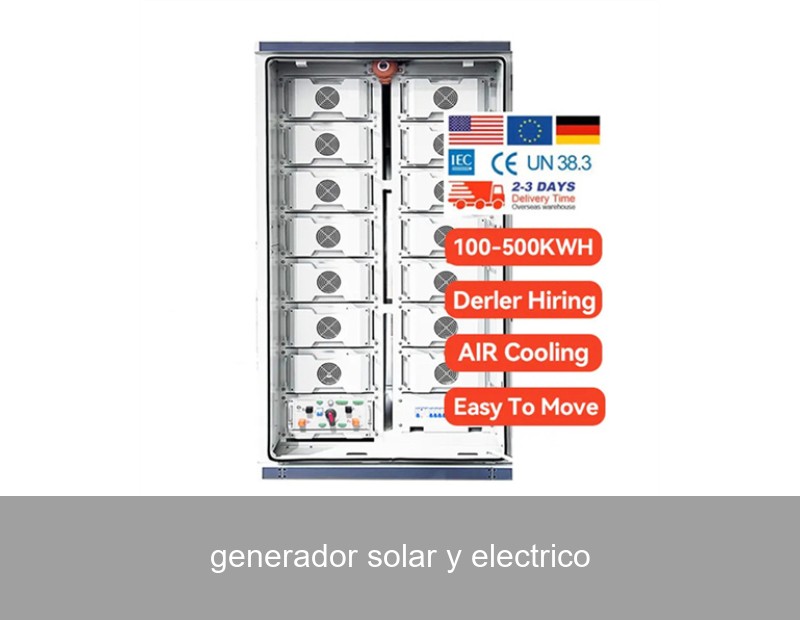
Have you ever imagined a power system that seamlessly blends the sun's limitless energy with reliable, on-demand electricity? In today's world of energy volatility and a growing push for sustainability, the concept of a generador solar y eléctrico—a sophisticated hybrid solar and electric generator—is moving from a niche idea to a mainstream power solution. It's not just about having backup power; it's about achieving intelligent, cost-effective, and clean energy independence. This guide will demystify how these integrated systems work, their transformative benefits, and how companies like Highjoule are pioneering this technology for homes and businesses across Europe and the US.
Table of Contents
What Exactly is a "Generador Solar y Eléctrico"?
Unlike a traditional fuel-powered generator or a standalone solar panel kit, a generador solar y eléctrico is an all-in-one, integrated energy system. Think of it as the brain and brawn of your power supply. It intelligently combines:
- Solar Generation: Photovoltaic (PV) panels that capture sunlight.
- Energy Storage: A high-capacity battery bank (like lithium-ion) that stores excess solar energy.
- Power Conversion & Management: An inverter/charger and a smart energy management system (EMS).
- Grid or Backup Generator Connection: The ability to integrate with the utility grid or a secondary fuel generator for ultimate reliability.
This synergy creates a resilient microgrid that prioritizes solar power, uses stored energy when needed, and only draws from (or exports to) the grid or a backup generator as a last resort or for optimization.

Image Source: Unsplash - A modern home solar and storage installation.
The Problem: Rising Costs, Grid Instability, and Environmental Goals
For years, homeowners and business operators have faced a frustrating dilemma. You want to reduce your carbon footprint and electricity bills with solar, but what happens when the sun isn't shining? The traditional answer has been: rely on the grid or fire up a noisy, polluting, and expensive-to-run diesel or gas generator.
The data paints a clear picture of the challenge. In the US, power outages have increased by approximately 64% over the past decade. Meanwhile, in Europe, electricity prices have seen extreme volatility, with record highs in recent years driven by geopolitical factors. Furthermore, countries like Germany and members of the EU have aggressive renewable energy targets, pushing consumers and businesses to find viable, long-term solutions.
The old model of single-source power is becoming too risky, too expensive, and too outdated.
The Solution: Intelligent, Automated Hybrid Power Systems
This is where advanced hybrid systems from providers like Highjoule change the game. We don't just sell components; we deliver intelligent, integrated power solutions. Our systems are designed to automate your energy decisions, ensuring you always use the most economical and cleanest source available.
Highjoule's core product lines, such as the HES (Highjoule Energy System) for residential use and the HPS (Highjoule Power System) for commercial and industrial applications, are built on this principle. They feature advanced lithium iron phosphate (LiFePO4) batteries known for safety and longevity, hybrid inverters with grid-forming capabilities, and our proprietary EnergyOS™ software platform. This platform allows users to monitor, control, and optimize their energy flow via a smartphone app, setting preferences like "maximize self-consumption" or "prepare for storm outage."
How It Works: A Day in the Life of Your Hybrid System
Let's break down the intelligent operation:
- Sunny Day: Solar panels power your home/business directly. Any excess energy charges the battery storage system. If batteries are full, surplus can be exported to the grid for credits (where available).
- Evening/Night:The system seamlessly switches to drawing power from the fully charged batteries, minimizing grid use during peak rate hours.
- Cloudy Day or High Demand: The system supplements solar power with energy from the batteries. If storage is depleted, it can intelligently draw a limited amount from the grid or automatically start a connected backup generator for a short period to recharge the batteries efficiently.
- Grid Outage: This is where true resilience shines. Within milliseconds, the system detects the outage, disconnects from the grid (islanding), and continues powering your critical loads from solar and batteries. You may not even notice the blackout.
| Priority | Power Source | When It's Used | Benefit |
|---|---|---|---|
| 1 | Solar PV Generation | Daytime, sunny/cloudy | Zero-cost, zero-emission power |
| 2 | Battery Storage | Night, peak hours, outage | Stored clean energy, bill savings, backup |
| 3 | Grid Power | When solar/battery insufficient (off-peak settings) | Reliability, potentially low-cost if timed |
| 4 | Backup Generator | Extended outages, low battery & no sun | Ultimate resilience, generator runs minimally |
Real-World Impact: A Spanish Agri-Business Case Study
Let's look at a concrete example from our European operations. A medium-sized winery in Andalusia, Spain, faced two major issues: unpredictable grid power quality affecting refrigeration and irrigation systems, and high energy costs eroding profit margins.
Their Goal: Ensure 24/7 reliable power for critical processes and reduce operational energy costs by at least 40%.
Highjoule's Solution: We installed a tailored HPS-50 commercial hybrid system featuring:
- 85 kW of solar PV capacity on winery warehouse roofs.
- A 120 kWh Highjoule Lithium Battery Bank.
- Two 25 kW hybrid inverters with grid-assist functionality.
- Integration with their existing diesel generator as a tertiary backup.
The Results (18 Months Post-Installation):
- Energy Cost Reduction: 68% decrease in grid electricity purchases.
- Fuel Savings: Backup generator runtime reduced by over 90%.
- Reliability: Zero production downtime due to power issues.
- ROI: Projected payback period of 5.2 years, thanks to savings and regional incentives.
For this winery, the generador solar y eléctrico system became the cornerstone of their operational and environmental strategy.

Image Source: Unsplash - Commercial solar installation on an agricultural facility.
Choosing Your System: Key Considerations
Investing in a hybrid system is significant. Here’s what to evaluate:
For Homeowners (Residential):
- Energy Audit: Understand your daily and seasonal consumption (kWh).
- Critical Loads: Identify what must stay on during an outage (refrigerator, lights, internet, medical equipment).
- Roof Space & Sun Exposure: A solar assessment is crucial.
- Product Ecosystem: Choose a system like Highjoule's HES that offers seamless integration, easy monitoring, and scalable storage.
For Businesses (Commercial/Industrial):
- Load Profile & Tariffs: Analyze demand charges and time-of-use rates. The savings here can be substantial.
- Resilience Requirements: What is the cost of a one-hour outage? A one-day outage?
- Sustainability Goals: Align your power solution with corporate ESG (Environmental, Social, and Governance) targets.
- Professional Partnership: Work with an expert provider like Highjoule who can handle design, permitting, installation, and long-term service.
The Future of Power is Hybrid and Intelligent
The evolution of the generador solar y eléctrico is moving towards even greater intelligence and grid interactivity. We're talking about systems that can predict weather patterns to optimize battery charging, participate in virtual power plants (VPPs) to support the community grid, and integrate with electric vehicle charging seamlessly.
At Highjoule, our R&D is focused on these very frontiers—making our EnergyOS™ platform smarter and our hardware more efficient and durable. The goal is to transform every building from a passive energy consumer into an active, resilient node in a cleaner energy network.

Image Source: Unsplash - Monitoring and controlling a home energy system digitally.
So, as you contemplate your next step towards energy independence, ask yourself this: Is your current power solution a cost center and a liability, or is it an intelligent, future-proof asset that works silently to save you money and protect your operations? What would you power first if you could guarantee it never went offline?
 Inquiry
 Online Chat