


Unlocking Grid Stability: The Critical Role of the Energy Storage Cabinet in Modern Power Systems
Have you ever wondered what keeps the lights on during a sudden grid outage or how a solar-powered factory runs smoothly after sunset? The answer increasingly lies in a sophisticated, unassuming unit often tucked away in a utility room or beside a building: the energy storage cabinet. More than just a battery box, this system is the intelligent heart of modern power resilience, seamlessly managing energy flow to ensure reliability, efficiency, and sustainability. For businesses and communities across Europe and the U.S., integrating a robust energy storage solution is no longer a luxury—it's a strategic imperative for energy independence and cost control. As a leader in this field since 2005, Highjoule designs these critical systems to be the reliable backbone for commercial, industrial, and residential applications worldwide.
Table of Contents
- What is an Energy Storage Cabinet?
- The Driving Forces: Why Energy Storage is Essential Now
- Inside the Cabinet: Key Components and Technology
- A Real-World Case Study: Stability for a German Manufacturing Plant
- Choosing the Right System: Key Considerations
- The Highjoule Approach: Intelligent, Integrated Solutions
What Exactly is an Energy Storage Cabinet?
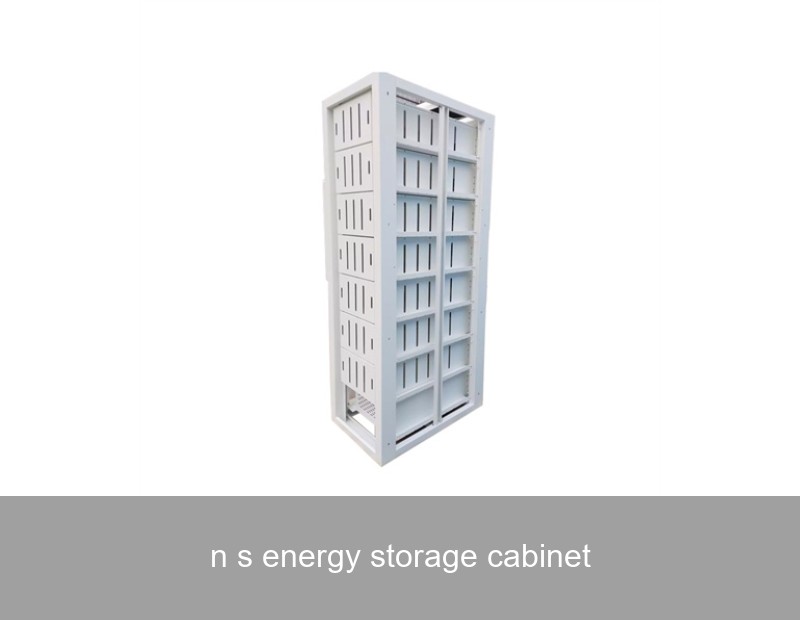
Think of an energy storage cabinet as a high-tech power bank for your home, business, or even a small community. But it's vastly more powerful and intelligent. It's a fully integrated system, typically housed in a single, weather-resistant enclosure, that stores electrical energy for later use. Its primary job is to balance supply and demand. When energy is plentiful and cheap (like during sunny afternoons), the cabinet stores it. When demand is high, prices spike, or the grid fails, it releases that energy precisely when and where it's needed.
At its core, a modern cabinet like those engineered by Highjoule integrates several key technologies: the battery cells (often lithium-ion for their density and longevity), a sophisticated Battery Management System (BMS) for safety and health monitoring, power conversion systems (PCS/inverters) to manage AC/DC current, and thermal management systems. All these are governed by intelligent software that optimizes performance based on weather forecasts, energy tariffs, and consumption patterns.

Image Source: Unsplash - A modern energy storage system installation.
The Driving Forces: Why Energy Storage is Essential Now
The shift towards renewable energy is undeniable. In the U.S., the EIA reports that renewable generation surpassed coal for the first time in 2022. In Europe, the push for energy sovereignty post-2022 has accelerated solar and wind adoption. However, this creates a fundamental challenge: intermittency. The sun doesn't always shine, and the wind doesn't always blow. This variability can strain traditional grids, leading to instability and price volatility.
This is where the energy storage cabinet becomes the indispensable solution. It acts as a buffer, smoothing out the peaks and valleys of renewable generation. For end-users, the benefits are tangible:
- Cost Savings: Store cheap off-peak or solar energy to use during expensive peak hours (a practice known as peak shaving).
- Enhanced Resilience: Provide backup power during outages, ensuring business continuity and safety.
- Grid Support: Help utilities defer costly infrastructure upgrades by providing localized power support.
- Sustainability Goals: Maximize the self-consumption of on-site renewable energy, reducing carbon footprint.
Inside the Cabinet: Key Components and Technology
Not all cabinets are created equal. The performance, safety, and lifespan of your system depend on the quality and integration of its internal components. Here’s a breakdown of what makes a top-tier system:
| Component | Function | Why It Matters |
|---|---|---|
| Battery Cells | The core energy storage medium (e.g., Li-ion LFP). | LFP chemistry, used in Highjoule systems, offers superior safety (thermal stability) and longer cycle life, crucial for daily cycling. |
| Battery Management System (BMS) | Monitors voltage, temperature, and state of charge for each cell. | Ensures safe operation, prevents overcharge/discharge, and maximizes battery pack lifespan. Highjoule’s proprietary BMS includes advanced prognostic features. |
| Power Conversion System (PCS) | Converts DC battery power to AC for building use (and vice versa). | High efficiency (e.g., >98%) means less energy lost as heat. Bidirectional capability is key for grid services. |
| Thermal Management | Maintains optimal operating temperature for batteries. | Liquid cooling or advanced air cooling is essential for consistent performance and safety, especially in extreme climates. |
| Energy Management Software (EMS) | The "brain" that controls charging/discharging based on algorithms. | This intelligence turns a simple battery into a strategic asset, automating for maximum economic return. Highjoule’s cloud-based platform allows for remote monitoring and control. |
A Real-World Case Study: Stability for a German Manufacturing Plant
Let’s move from theory to practice. A mid-sized automotive parts supplier in Bavaria, Germany, faced two major challenges: unpredictable spikes in energy costs and the risk of even brief power outages disrupting sensitive robotic assembly lines. Their existing 500 kW rooftop solar array often produced excess energy at midday that was sold to the grid at low feed-in tariffs, while they bought power back at higher rates in the evening.
The Solution: Highjoule deployed a turnkey energy storage cabinet solution: the H-Cube Commercial Series. The system featured a 372 kWh LFP battery capacity with a 250 kW inverter, fully integrated into the plant’s energy management system.
The Results (12 Months Post-Installation):
- Energy Cost Reduction: By storing midday solar excess and discharging during evening peak hours, the plant reduced its grid energy purchases by 68% during peak tariff periods.
- Increased Self-Consumption: On-site consumption of solar power jumped from 35% to over 80%.
- Reliability: The system provides seamless backup power for critical loads for up to 4 hours, eliminating downtime risk from brownouts.
- ROI: Projected payback period of under 5 years, considering energy savings and available capacity market incentives in Germany.
This case mirrors findings from the International Renewable Energy Agency (IRENA), which highlights storage as a key enabler for industrial decarbonization and cost-competitiveness.

Image Source: Unsplash - Engineer monitoring an industrial control system.
Choosing the Right System: Key Considerations for Your Project
Selecting an energy storage cabinet is a significant investment. Asking the right questions ensures you get a system tailored to your needs:
- Application: Is your primary goal backup power, peak shaving, solar self-consumption, or a combination?
- Capacity & Power: How much energy do you need to store (kWh), and at what rate do you need to discharge it (kW)? This defines the cabinet's size and inverter rating.
- Safety & Certification: Insist on UL 9540 (U.S.) or IEC 62619 (EU) certifications for the entire system, not just components. Highjoule systems are fully certified, with LFP chemistry as a foundational safety choice.
- Software & Intelligence: Can the system adapt to changing tariffs and weather? Is it remotely monitorable?
- Scalability & Warranty: Can you add more cabinets later? Does the warranty cover performance degradation over time (e.g., 10 years at 70% retained capacity)?
The Highjoule Approach: Intelligent, Integrated Solutions
At Highjoule, we view the energy storage cabinet not as a commodity product but as the physical manifestation of a smarter energy strategy. Our design philosophy centers on integration, intelligence, and longevity.
Our flagship product lines, like the H-Cube for Commercial & Industrial applications and the H-Reserve for residential and small business use, are built from the ground up for seamless operation. They feature our proprietary Adaptive Core BMS and are managed by the Highjoule Energy OS, a platform that continuously learns your energy patterns and optimizes dispatch based on real-time market data and weather forecasts.
For larger-scale projects like microgrids or community storage, our engineering team provides full turnkey services—from initial feasibility studies and financial modeling to system design, grid interconnection support, and long-term performance monitoring. We partner with you to ensure the solution not only meets technical specifications but also delivers on its promised financial and operational returns.
The future grid is decentralized, digital, and resilient. As highlighted by research from institutions like the National Renewable Energy Lab (NREL), storage is the linchpin of this transition. The right energy storage cabinet is your gateway to participating in this new energy landscape actively.
What's the first energy challenge you would solve if you had a perfectly reliable power reserve right on your property?
Whether it's eliminating demand charges, securing your operations against outages, or finally maximizing your solar investment, exploring a tailored Highjoule solution is the next step. Our experts are ready to help you model your potential savings and build a roadmap to energy independence.
 Inquiry
 Online Chat