


Understanding Grid-Connected Solar System Price: A Smart Investment Guide
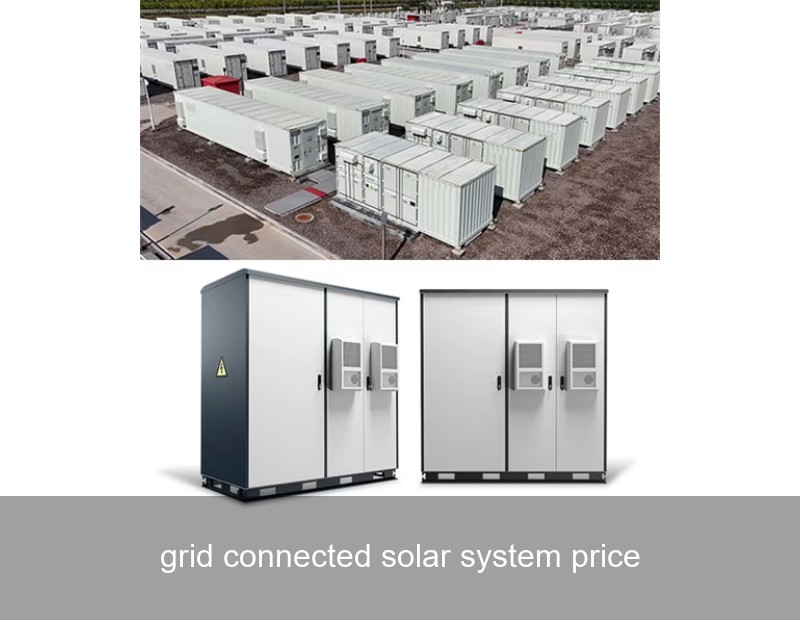
So, you're thinking about going solar. It's a fantastic decision for your wallet and the planet. But when you start researching, one term dominates the conversation: the grid-connected solar system price. It can feel like a complex puzzle, with numbers that vary wildly. Why does one quote differ so much from another? Is a cheaper system always the better deal? Let's demystify the true cost of connecting sunshine to your grid, moving beyond the initial sticker shock to understand the long-term value and how smart technology, like that from Highjoule, transforms this price into a powerful investment.
Table of Contents
- The Real Breakdown: What's Inside the Grid-Connected Solar System Price?
- Key Factors That Swing Your Solar Investment Cost
- Beyond Panels: The Hidden Value of Smart Energy Management
- From Quote to Kilowatt: A Real-World Case Study in Germany
- Future-Proofing Your Purchase: Why the Cheapest Option Can Be Costly
The Real Breakdown: What's Inside the Grid-Connected Solar System Price?
Think of a grid-tied solar system not as a single product, but as a tailored energy solution. The price encompasses several critical components, each contributing to performance, safety, and longevity.
- Solar Panels (Photovoltaics): Typically 20-30% of the cost. Efficiency and warranty tier matter more than just the brand.
- Inverters: The system's brain, converting DC to AC. This is where quality is paramount, representing 15-20% of the cost. Microinverters or string inverters with power optimizers offer different value propositions.
- Mounting & Racking: The unsung hero (10-15%). It must withstand decades of weather, protecting your roof and investment.
- Balance of System (BOS): Wiring, conduits, switches, and monitoring hardware. This is the nervous system.
- Professional Installation & Permits: Often 15-25%. This includes design, labor, grid connection fees, and navigating local regulations—a complex process best left to certified experts.
According to the U.S. Department of Energy's Solar Energy Technologies Office, soft costs—like permitting, financing, and customer acquisition—remain a significant portion of the total price, highlighting why choosing an experienced provider is crucial.
Key Factors That Swing Your Solar Investment Cost
Your final price is as unique as your home or business. Here are the primary variables:
| Factor | Impact on Price & Value |
|---|---|
| System Size (kW) | Larger systems have a higher upfront cost but a lower cost per watt due to economies of scale. |
| Energy Consumption Profile | A detailed analysis of your usage patterns ensures right-sizing, preventing over- or under-spending. |
| Roof Characteristics | Complex roofs, shading issues, or specific materials (like tile) can increase installation time and cost. |
| Local Incentives & Net Metering | Federal tax credits (like the U.S. ITC), state rebates, and favorable net metering policies dramatically reduce effective cost. |
| Component Quality | Premium, Tier-1 panels and inverters with longer warranties cost more upfront but degrade slower, producing more energy over 25+ years. |
For instance, a homeowner in California with a simple roof and strong state incentives will see a very different net price compared to a homeowner in the UK, where feed-in tariffs have evolved. The key is to calculate levelized cost of energy (LCOE)—the average cost per kWh over the system's life—not just the initial outlay.
Beyond Panels: The Hidden Value of Smart Energy Management
Here's where the conversation about grid-connected solar system price gets exciting. A traditional setup exports excess power to the grid for a credit. But what if you could maximize self-consumption and gain grid independence? This is where advanced energy storage and management redefine value.
Integrating a battery storage system allows you to store daytime surplus for use at night, during peak rate periods, or even during brief grid outages. While this increases the initial investment, it dramatically increases your energy autonomy and can provide significant savings under time-of-use electricity rates, which are becoming standard in many parts of Europe and the United States.
This is precisely the value Highjoule brings. As a global leader since 2005, we don't just sell components; we provide intelligent, integrated systems. Our Highjoule Hive EMS (Energy Management System) acts as the conductor of your personal energy orchestra. It intelligently decides when to consume solar power directly, when to charge the battery, when to power your home from the battery, and when to export—all to optimize your financial return and resilience.

Image Source: Unsplash (Representative image of a modern solar-powered home)
For our commercial and industrial clients, Highjoule's GridShare platform enables participation in demand response programs, turning stored energy into a revenue stream by providing grid services. This transforms the solar + storage system from a cost center into a strategic asset.
From Quote to Kilowatt: A Real-World Case Study in Germany
Let's ground this in reality. Consider a medium-sized manufacturing facility in Bavaria, Germany. Their challenge: high daytime energy costs and a desire to reduce their carbon footprint.
- Initial Quote (Basic System): A standard 250 kW solar-only system was quoted at approximately €175,000.
- Highjoule Proposed Solution: A 200 kW solar array paired with a 240 kWh Highjoule IntelliBESS (Battery Energy Storage System) and the Hive EMS.
- Total Project Price: €320,000 (a higher initial investment).
- Outcome & Data: The intelligent system increased on-site consumption of solar power from 35% to over 80%. By avoiding peak grid charges and selling stored power during high-price periods, the payback period was calculated at 6.2 years—only 8 months longer than the solar-only option. More importantly, it provided backup power for critical processes and is projected to save an additional €150,000 over 15 years compared to the solar-only setup.
This case shows that the true metric isn't the lowest grid-connected solar system price, but the highest long-term energy cost avoidance and value creation.
Future-Proofing Your Purchase: Why the Cheapest Option Can Be Costly
Choosing a system based solely on the lowest bid carries hidden risks: inferior components that degrade faster, installers who may not be in business to honor warranties, and a lack of integration capability for future technologies like EV charging or additional storage.
Your solar + storage system is a 25+ year infrastructure investment. Partnering with a provider like Highjoule, with nearly two decades of global experience across residential, commercial, and microgrid applications, ensures you get a solution engineered for performance, durability, and adaptability. Our systems are designed with open protocols, allowing them to integrate with future grid services and smart home technologies.

Image Source: Unsplash (Representative image of a professional battery storage installation)
The energy landscape is shifting rapidly. Regulations change, electricity tariffs evolve, and new opportunities emerge. A smart, connected system from a technology leader positions you to capitalize on these changes, protecting and enhancing your investment over time.
So, What's Your Next Energy Move?
The question is no longer simply "What is the price of a grid-connected solar system?" The empowering question to ask is: "What is the value of achieving energy independence, locking in long-term predictable costs, and contributing to a sustainable future for my home or business?" When you frame it that way, the investment conversation shifts entirely.
Are you ready to analyze not just a price quote, but a comprehensive, 25-year energy value proposition tailored precisely to your consumption, your goals, and the unique energy landscape of your region?
 Inquiry
 Online Chat