


Powering the Future: The Hitzinger Ground Power Unit and the Shift to Sustainable Airport Operations
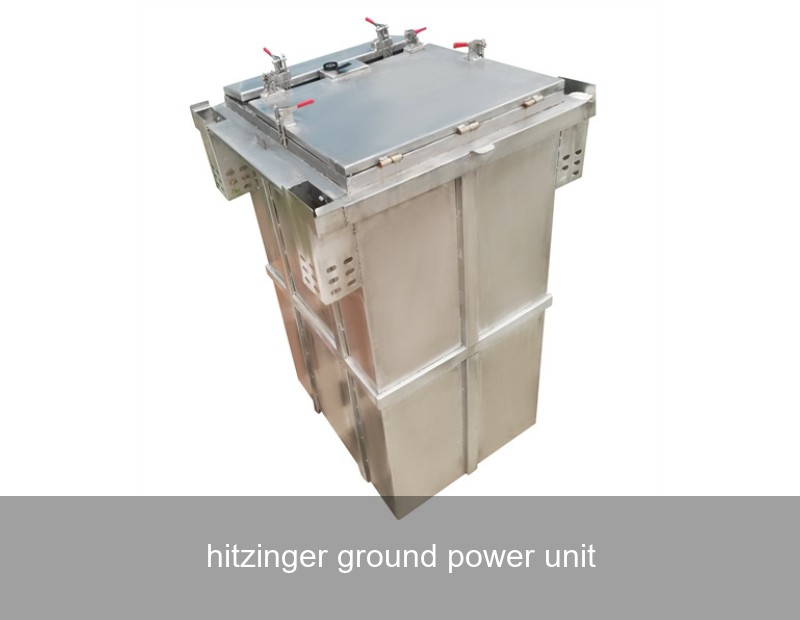
Imagine the scene: a sleek aircraft sits silently at the gate. While the journey for passengers may have paused, the aircraft's vital systems—lighting, avionics, cabin climate control—must remain alive. For decades, this essential power has been supplied by rumbling, diesel-guzzling mobile generators. But as the global aviation industry faces immense pressure to decarbonize, a quiet revolution is taking place on the tarmac. At the heart of this shift is the Hitzinger Ground Power Unit (GPU), a name synonymous with reliability in aircraft ground support. Today, the conversation is evolving from pure reliability to sustainable reliability. This article explores how innovative energy storage is transforming ground power, making airport operations cleaner, quieter, and more cost-effective.
Table of Contents
- The Problem: The Hidden Cost of "Parked" Power
- The Data: Emissions and Economics on the Ground
- The Solution: Electrifying Ground Support with Smart Storage
- Case Study: A European Airport's Silent Transformation
- Highjoule's Role: The Battery Backbone for Modern GPUs
- The Future of Ground Power: Beyond the GPU
The Problem: The Hidden Cost of "Parked" Power
Traditional aircraft Ground Power Units, like those famously manufactured by Hitzinger, are workhorses. They are diesel-engine driven generators that provide the precise electrical frequency and voltage (often 400Hz) required by aircraft systems when their main engines are off. The issue isn't their performance—it's their environmental and operational footprint. Each running GPU emits a cocktail of pollutants: nitrogen oxides (NOx), particulate matter (PM), and carbon dioxide (CO2). Multiply this by dozens of gates operating simultaneously, and the air quality impact on airport workers and surrounding communities becomes significant. Furthermore, the constant noise and vibration create a challenging work environment and contribute to noise pollution. The question is: in an era focused on net-zero, can we power our future flights with the technologies of the past?
The Data: Emissions and Economics on the Ground
The numbers are compelling. According to a study highlighted by ICAO, ground support equipment (GSE) can contribute over 50% of an airport's direct particulate emissions. A single diesel GPU can consume between 10-20 liters of fuel per hour. For a mid-sized airport with 20 gates, this translates to thousands of tons of CO2 emissions annually. Financially, with volatile fuel prices and increasing carbon taxes in regions like the European Union, operational costs are soaring. The business case for cleaner alternatives is no longer just ethical; it's powerfully economic. The market is responding, and the evolution of the Hitzinger ground power unit concept is a key indicator.

Image: A shift to electric ground support creates quieter, cleaner airport aprons. (Source: Unsplash)
The Solution: Electrifying Ground Support with Smart Storage
The path forward is electrification. Fixed Electrical Ground Power (FEGP) from the grid is one solution, but it requires massive infrastructure investment and may not be available at all stands. The more flexible, revolutionary answer is the Battery-Electric GPU (eGPU). This is where the legacy of the Hitzinger ground power unit meets cutting-edge battery technology. An eGPU is essentially a large, mobile battery storage system built into the familiar GPU chassis. It is charged silently from the grid during off-peak hours (often using renewable energy) and then dispatched to aircraft gates to provide pure, emission-free power.
The advantages are clear:
- Zero Emissions at Point of Use: No tailpipe pollutants, drastically improving local air quality.
- Significant Noise Reduction: Operations become near-silent, improving worker conditions.
- Lower Operating Costs: Electricity, especially from renewables, is cheaper and more stable than diesel fuel. Maintenance costs on electric drivetrains are also far lower.
- Grid Support: Advanced eGPUs can even act as a grid resource, offering load-shifting and stability services.
Highjoule's Role: The Battery Backbone for Modern GPUs
As a global leader in advanced energy storage systems since 2005, Highjoule is at the forefront of this transformation. We don't manufacture the GPU vehicle itself, but we provide the intelligent, high-performance battery storage system that forms its core. Think of us as the "power plant inside." For manufacturers modernizing their Hitzinger ground power unit lines or for airports building new eGPU fleets, Highjoule's solutions are critical. Our Industrial Battery Storage (IBS) platform offers:
- High Energy Density & Power: Compact enough to fit the form factor, yet powerful enough to handle the high peak demands of aircraft systems.
- Long Cycle Life & Safety: Built on lithium iron phosphate (LFP) chemistry, known for its safety, stability, and longevity—essential for 24/7 airport operations.
- Integrated Energy Management: Our smart Battery Management System (BMS) ensures optimal charging, thermal management, and health monitoring, maximizing uptime and asset life.
- Sustainability Designed-In: From cell sourcing to end-of-life recycling planning, our systems are engineered for a full sustainable lifecycle.
By partnering with GSE manufacturers, Highjoule enables the creation of eGPUs that are not just replacements, but substantial upgrades in performance and sustainability.
Case Study: A European Airport's Silent Transformation
Let's look at a real-world application. A major international airport in Germany, committed to its "Net Zero 2035" goal, initiated a pilot program to replace diesel GPUs at five of its busiest gates. They deployed five new battery-electric GPUs, each powered by a Highjoule 240kWh LFP battery system.
| Metric | Before (Diesel GPU) | After (eGPU with Highjoule) | Reduction/Improvement |
|---|---|---|---|
| CO2 Emissions (per gate, annual) | ~50 tons | 0 tons (at point of use)* | 100% |
| NOx & PM Emissions | High | Zero | 100% |
| Noise Level at 10m | 75-85 dBA | 55-65 dBA | ~20 dBA reduction |
| Estimated Energy Cost (annual) | €12,000 | €4,800 | 60% lower |
| Maintenance Incidents (annual avg.) | 8 | 2 | 75% lower |
*Emissions depend on grid energy mix; airport uses 100% renewable power purchase agreements.
The results, tracked over 18 months, were staggering. The airport recorded not only the expected emission drops but also overwhelmingly positive feedback from ground crew regarding the improved working environment. The financial payback period, factoring in lower "fuel" and maintenance costs, is projected to be under 5 years. This pilot has now been expanded to 15 additional gates, proving the scalable model of integrating Highjoule's storage technology into modern ground support. Data on airport decarbonization strategies can be found through the ACI Europe Sustainability Strategy.
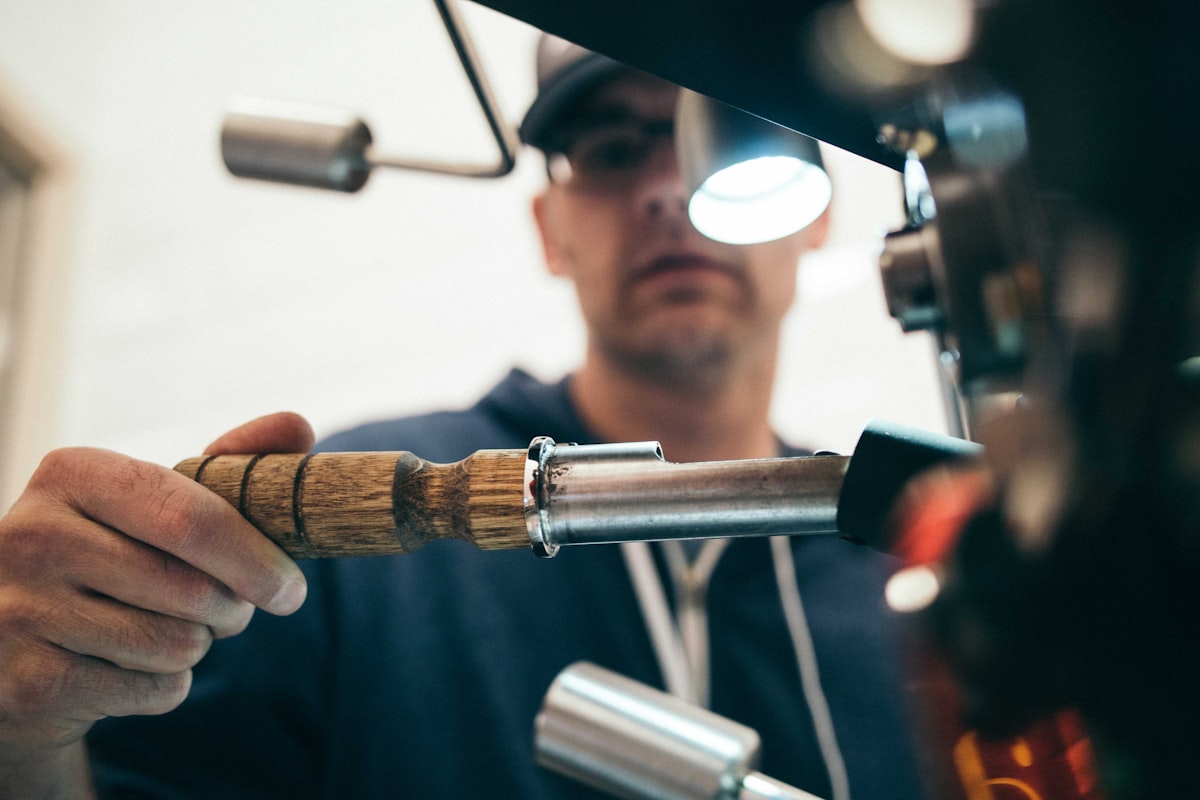
Image: The heart of an eGPU: advanced, safe battery modules like those from Highjoule. (Source: Unsplash)
The Future of Ground Power: Beyond the GPU
The evolution of the Hitzinger ground power unit into a silent, electric asset is just the beginning. The same Highjoule battery technology enabling eGPUs is also powering the electrification of other GSE, from baggage tractors to belt loaders. Furthermore, we are working on concepts for containerized, mobile energy storage systems that can be placed at remote stands or used to provide temporary grid support during peak loads at airport terminals. This creates a resilient, flexible microgrid right on the airport property.
The vision is a fully integrated, smart energy ecosystem at the airport. Renewable energy from solar canopies or wind is stored in Highjoule's large-scale Battery Energy Storage Systems (BESS) for the microgrid, then used to charge fleets of eGPUs and other equipment. This closes the sustainability loop, turning airports from energy-intensive hubs into models of smart, clean energy management.
An Open Question for Aviation Leaders
As you look at your sustainability roadmap and operational budget for the next decade, what is the larger cost: investing in the clean, quiet, and efficient ground power technology available today, or continuing to pay the escalating financial and environmental price of the status quo? The technology to start the transition is not on the drawing board—it's on the tarmac, ready to connect.
 Inquiry
 Online Chat