


Powering Your Future: A Comprehensive Guide to Home Solar Systems in Zambia
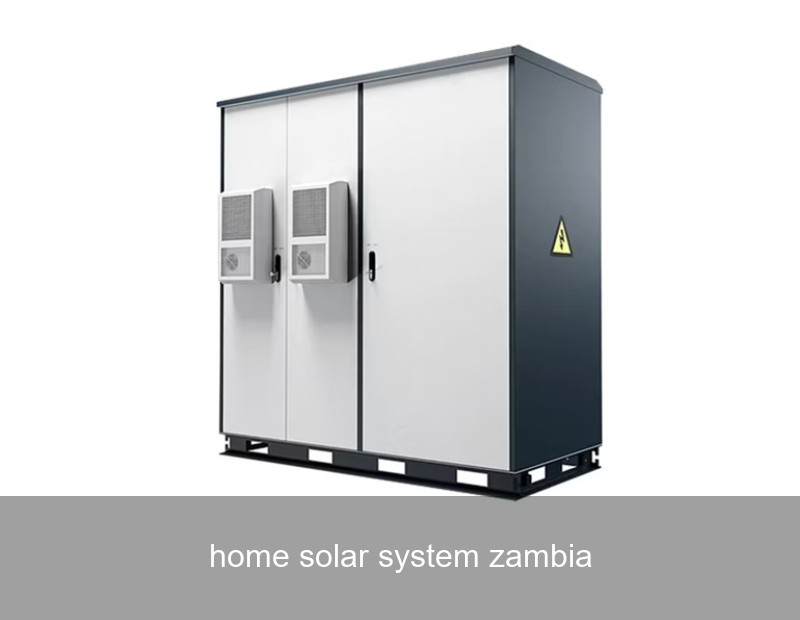
Table of Contents
- The Sunny Reality: Zambia's Untapped Solar Potential
- Beyond the Panels: Why a Complete Home Solar System is Key
- The Storage Imperative: Conquering Load-Shedding and Nightfall
- Real-Life Case: The Lusaka Family Home Transformation
- Choosing the Right System for Your Zambian Home
- Highjoule's Smart Solutions for Sustainable Zambian Homes
- Your Energy Independence Journey
Imagine a home where the lights never flicker off during an unexpected power cut, where the refrigerator hums steadily preserving your food, and where the monthly electricity bill is no longer a source of anxiety. For a growing number of homeowners in Zambia, this isn't just a dream—it's the daily reality enabled by a modern home solar system in Zambia. But what does it truly take to move from relying on an unstable grid to achieving genuine energy independence? Let's explore.
The Sunny Reality: Zambia's Untapped Solar Potential
Zambia is blessed with one of the highest solar irradiance levels in the world, averaging between 5.5 and 6.5 kWh/m² per day. To put that in perspective, this is significantly higher than most of Europe. This abundant sunshine is a powerful, free, and clean resource waiting to be harnessed. Yet, grid instability and frequent load-shedding, often driven by hydrological challenges at major power stations, remain a persistent challenge for families and businesses alike. This contrast between abundant resource and grid unreliability creates the perfect catalyst for the adoption of residential solar power.
Beyond the Panels: Why a Complete Home Solar System is Key
A common misconception is that a home solar system in Zambia is just about mounting photovoltaic (PV) panels on the roof. In reality, the panels are just the beginning—the source. A robust, reliable system is an integrated ecosystem of several key components:
- Solar Panels (PV Modules): Convert sunlight into direct current (DC) electricity.
- Solar Inverter: The brain of the system. It converts the DC electricity from the panels into the alternating current (AC) used by your home appliances.
- Battery Energy Storage System (BESS): This is the game-changer. Batteries store excess energy generated during the day for use at night or during grid outages, making true 24/7 power a reality.
- Charge Controller: Manages the flow of electricity to and from the batteries, protecting them from overcharging or deep discharge.
- Monitoring System: Allows you to track your energy production, consumption, and savings in real-time, often from a smartphone app.
The Storage Imperative: Conquering Load-Shedding and Nightfall
Without storage, a solar system shuts down when the grid fails (for safety reasons) and cannot power your home after sunset. This is where advanced battery technology becomes non-negotiable. Modern lithium-ion phosphate (LiFePO4) batteries, like those used in Highjoule systems, offer superior safety, longer lifespan (often over 6000 cycles), and excellent performance in varied climates. They are the heart of a system designed not just to supplement grid power, but to replace its function when needed.

Image Source: Unsplash - A modern home solar and storage installation.
Real-Life Case: The Lusaka Family Home Transformation
Consider the experience of the Mwewa family in Lusaka's Roma suburb. Facing 8-10 hours of load-shedding weekly, they invested in a 8kW solar PV array coupled with a 15kWh lithium-ion battery storage system in early 2023.
| Metric | Before System | After System (12-month avg.) |
|---|---|---|
| Grid Dependency | 100% | ~20% (mostly for backup) |
| Monthly Power Costs | ZMW 1,200+ | ZMW 280 |
| Hours of Backup Power | 0 (during outages) | Full home backup for ~24 hrs per charge |
| Carbon Footprint | ~450 kg CO2/month | ~90 kg CO2/month |
"The system pays for itself," Mr. Mwewa noted. "We now have uninterrupted power for our home office, children's studies, and all essential appliances. The peace of mind is invaluable." This case underscores that the return on investment extends beyond financial savings to encompass reliability, productivity, and quality of life.
Choosing the Right System for Your Zambian Home
Sizing your system correctly is critical. An undersized system will leave you frustrated, while an oversized one may not offer a good return. Key factors include:
- Energy Audit: Review your past electricity bills to understand your average monthly consumption (in kWh).
- Load Assessment: Identify essential loads (lights, fridge, router) and desired loads (AC, geyser) you want to back up.
- Future-Proofing: Consider potential future needs, like an electric vehicle or a home expansion.
- Quality & Warranty: Opt for Tier-1 components with strong local warranties and service support. The humid and sometimes dusty Zambian climate demands robust engineering.
Highjoule's Smart Solutions for Sustainable Zambian Homes
As a global leader in advanced energy storage since 2005, Highjoule understands that a one-size-fits-all approach doesn't work. For homeowners in Zambia and similar markets, we offer integrated solutions designed for resilience and intelligence. Our Residential Energy Hub combines high-efficiency hybrid inverters, scalable LiFePO4 battery cabinets, and intelligent energy management software into a seamless package.
What sets our systems apart is their adaptive smart technology. Our platform can automatically prioritize solar self-consumption, manage battery charging/discharging based on tariff times and solar forecast, and ensure seamless transition to backup power during a grid failure—all without you lifting a finger. This level of optimization maximizes your savings and system longevity. For the Zambian market, we work with certified local installers who are trained to design, install, and maintain systems that stand up to local conditions, ensuring you have expert support for the lifetime of your investment.

Image Source: Unsplash - A homeowner monitoring their solar energy system performance.
Understanding the Broader Impact
Adopting solar-plus-storage isn't just a personal decision; it contributes to national energy security and environmental goals. Distributed generation reduces strain on the national grid during peak hours and can help mitigate the impacts of drought on hydro-dependent power generation. For further reading on global solar trends and policies, reputable sources like the International Energy Agency (IEA) provide excellent context.
Your Energy Independence Journey
The journey to powering your home with Zambia's abundant sunshine is more accessible and financially sound than ever. It begins with a clear understanding of your needs and a partnership with technology providers and installers who offer proven, reliable solutions. The initial investment secures a decades-long hedge against rising electricity costs and unpredictable supply.
So, what is the first, most critical step you will take this month to move from being a passive consumer of grid power to an active producer and manager of your own clean, reliable energy?
 Inquiry
 Online Chat