


Hybrid Energy Generation: The Smart Path to Energy Independence and Resilience
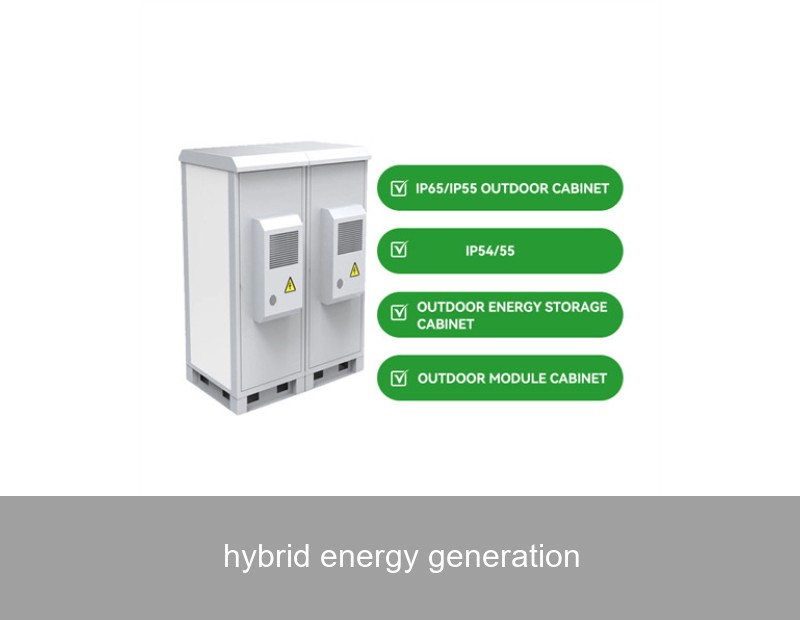
Have you ever looked at your solar panels on a cloudy day and wished for a way to store that sunshine for later? Or wondered how to keep your business running during a grid outage without relying on a noisy, polluting diesel generator? You're not alone. Across Europe and the United States, energy consumers and businesses are grappling with the same challenges: rising electricity costs, increasing grid instability, and the urgent need to decarbonize. The solution is emerging not from a single source, but from a powerful, intelligent combination: hybrid energy generation. This approach seamlessly integrates multiple energy sources—like solar PV and wind—with battery storage and intelligent control systems to create a resilient, efficient, and sustainable power ecosystem. Let's explore how this technology is reshaping our energy landscape.
Table of Contents
What is Hybrid Energy Generation?
At its core, hybrid energy generation is about creating a synergistic power team. Instead of relying on a single energy source, a hybrid system combines two or more generation methods, almost always paired with an energy storage system (ESS) and a smart energy management system (EMS). The most common and effective configuration pairs solar photovoltaic (PV) panels with a lithium-ion battery storage system. In wind-rich areas, wind turbines are added to the mix. The genius lies in the brain of the operation: the EMS, which constantly analyzes weather forecasts, energy consumption patterns, grid conditions, and electricity tariffs to decide in real-time where to draw power from, where to store it, and when to use it.
- Generation Sources: Solar PV, Wind Turbines, sometimes paired with a backup generator.
- The Heart: Battery Energy Storage System (BESS) – stores excess energy for later use.
- The Brain: Energy Management System (EMS) – intelligently orchestrates the entire operation for maximum efficiency and savings.

Image: A visual representation of a hybrid setup combining solar and wind. Source: Unsplash
The Phenomenon: Why Go Hybrid Now?
The shift towards hybrid systems isn't just a niche trend; it's a global movement driven by three powerful forces. First, energy price volatility in Europe and parts of the US has made predictable energy costs a top priority for businesses and homeowners. Second, increasing grid constraints and outage events, from winter storms in Texas to grid overloads in Europe, have highlighted the critical need for energy resilience. Finally, corporate sustainability goals and government incentives, like the Inflation Reduction Act (IRA) in the US, are making investments in clean, on-site power not just ethical, but financially astute. A standalone solar system is a great start, but it leaves you vulnerable when the sun sets or the grid fails. Hybrid generation closes those gaps, turning a partial solution into a comprehensive one.
The Data: The Compelling Economics of Hybrid Systems
Let's talk numbers. According to a 2023 Lazard study, the levelized cost of energy (LCOE) for solar PV and wind continues to fall, making them the cheapest sources of new-build generation in many regions. But the real value unlock comes with storage. The same report notes that when paired with solar, storage can maximize the utilization of that cheap energy, shifting it to high-price periods. For a commercial entity, this can mean:
| Benefit | Typical Impact | How It Works |
|---|---|---|
| Reduced Energy Bills | 40-80% savings on grid consumption | Use stored solar energy during peak tariff hours. |
| Increased Self-Consumption | Can increase from ~30% to 70%+ | Store daytime solar excess for use in the evening. |
| Backup Power | Seamless transition during outages | Battery provides critical load power when the grid fails. |
| Grid Services Revenue* | Additional income stream | In some markets, systems can sell frequency regulation services to the grid. |
*Market dependent, e.g., available in parts of the US (PJM, ERCOT) and evolving in Europe.
A Real-World Case Study: The German Dairy Farm
Consider "Hofgut Weberstedt," a dairy and agricultural operation in Thuringia, Germany. Facing high operational costs and a commitment to sustainability, they implemented a hybrid energy system. The setup includes a 500 kWp solar array, a 250 kW / 550 kWh battery storage system, and their existing biogas plant, all managed by a sophisticated EMS.
- Grid Independence: Increased self-sufficiency from 35% to over 85%.
- Cost Savings: Reduced electricity procurement costs by approximately €72,000 per year.
- Carbon Reduction: Cut CO2 emissions by nearly 380 tonnes annually.
- Resilience: Critical cooling and milking operations are now protected from grid failures.
This case, documented in part by the Fraunhofer Institute for Solar Energy Systems, illustrates the triple win of hybrid systems: economic, environmental, and operational resilience. The intelligent control system prioritizes using the solar power directly, charges the battery with any excess or low-cost grid power, and uses the biogas generator as a seasonal backup, creating a perfectly balanced local energy ecosystem.

Image: A modern battery storage system, a critical component of any hybrid setup. Source: Unsplash
The Highjoule Difference: Intelligent Control at the Core
At Highjoule, we've been at the forefront of this evolution since 2005. We understand that the hardware—the solar panels, wind turbines, and batteries—is only part of the story. The true potential of a hybrid energy generation system is unlocked by intelligence. Our Highjoule Horizon Energy Management Platform is the central nervous system of our installations.
For a commercial or industrial client, our process involves a deep analysis of your load profile, site conditions, and local utility rates. We then design a system featuring our integrated Highjoule H-Series Battery Storage, known for its safety, longevity (with a leading cycle life), and modular scalability. The Horizon platform continuously optimizes this system:
- Predictive Algorithms: Uses weather and consumption data to plan energy flows 24-48 hours ahead.
- Multi-Mode Operation: Seamlessly switches between grid-connected, backup, and off-grid modes.
- Tariff Optimization: Automatically dispatches stored energy during the most expensive grid periods.
- Remote Monitoring & Diagnostics: Provides our clients and our technical team with real-time insights and proactive maintenance alerts.
Whether it's for a residential microgrid seeking independence, a manufacturing plant aiming to lock in energy costs, or a utility-scale project providing grid stability, Highjoule's holistic approach ensures your hybrid system is an investment that delivers maximum return and peace of mind for decades.
Future Trends: AI and Vehicle-to-Grid (V2G) Integration
The future of hybrid generation is even more interconnected and intelligent. We are actively developing integrations with two key technologies. First, Artificial Intelligence (AI) and machine learning will take energy management to a new level, with systems that learn and adapt to user behavior and market signals with unprecedented precision. Second, the rise of electric vehicles (EVs) presents a massive opportunity. Vehicle-to-Grid (V2G) and Vehicle-to-Home (V2H) technology will allow an EV's battery to become a mobile storage unit for your hybrid system, providing backup power or selling energy back to the grid when it's most valuable, all managed seamlessly by platforms like Highjoule Horizon.
What Does Your Ideal Energy Mix Look Like?
The journey to a resilient, cost-effective, and sustainable energy supply begins with a single question. Are you ready to move beyond a single-source dependency and explore how a tailored hybrid energy generation system could future-proof your home or business against uncertainty? The technology is proven, the economics are compelling, and the time for planning is now. What is the first energy challenge you would like a hybrid system to solve for you?
 Inquiry
 Online Chat