


Hybrid On-Grid Solar ESS: The Smart Bridge to Energy Independence
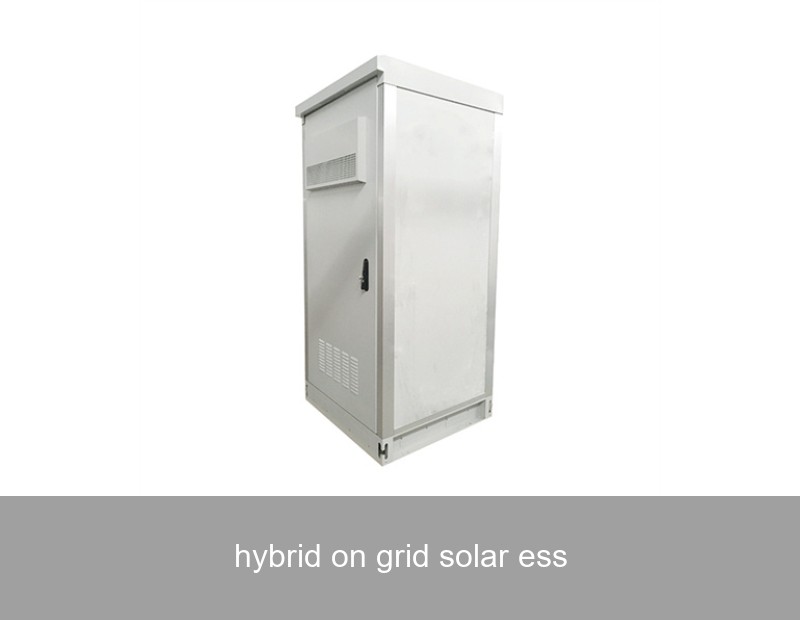
Have you ever watched your solar panels working hard on a sunny afternoon, only to wonder where all that excess energy is going? Or felt a pang of anxiety when the grid goes down, silently wishing your solar system could just keep the lights on? You're not alone. This common experience highlights a key gap in traditional solar setups. Enter the hybrid on-grid solar energy storage system (ESS) – a game-changing technology that acts as an intelligent bridge, seamlessly connecting solar generation, grid power, and backup storage. For homeowners and businesses across Europe and the US, this isn't just an upgrade; it's a strategic shift towards true energy resilience and financial efficiency.
Table of Contents
- What is a Hybrid On-Grid Solar ESS?
- The Phenomenon: Wasted Sun, Vulnerable Power
- The Data Reality: Economics of Self-Consumption
- Case Study: A German Bakery's Recipe for Resilience
- How It Works: The Intelligent Energy Conductor
- Highjoule's Role: Engineering Smarter Energy Bridges
- Key Benefits of a Hybrid System
- Making the Right Choice for Your Needs
What Exactly is a Hybrid On-Grid Solar ESS?
Let's demystify the term. A hybrid on-grid solar ESS is an integrated system that combines three core functions: it harvests energy from your solar panels, stores excess electricity in a battery bank, and maintains a connection to the public utility grid. Unlike a simple grid-tied system (which sends all surplus to the grid) or an off-grid system (which has no grid connection), a hybrid intelligently manages energy flow between all these sources based on your usage, electricity rates, and grid conditions. Think of it as the brain of your power ecosystem, making real-time decisions to optimize for cost, efficiency, and reliability.

Credit: Unsplash / Photo by Kindel Media. A modern hybrid energy system components.
The Phenomenon: Wasted Sunshine and Grid Vulnerability
The solar energy phenomenon is clear: generation peaks in the middle of the day, but household consumption often peaks in the morning and evening. This creates a mismatch. In traditional grid-tied systems, the midday surplus is exported to the grid, often at a lower price than the cost to import power later. Furthermore, during a grid outage, most standard grid-tied systems are mandated to shut down entirely for safety reasons, leaving you without power—even when the sun is shining. This paradox is frustrating and undermines the core promise of energy independence that attracts many to solar in the first place.
The Data Reality: Why Self-Consumption is King
The financial logic for hybrids is driven by evolving energy economics. Feed-in tariffs (FITs) that once made exporting solar power lucrative are being phased out in many regions like Germany, California, and the UK. The new model favors self-consumption.
| Scenario | Energy Flow | Financial Impact (Example) |
|---|---|---|
| Traditional Grid-Tied (Midday) | Excess solar exported to grid | Credit at $0.05/kWh |
| Hybrid System (Midday) | Excess solar charges battery | Stored value at $0.25/kWh (later use) |
| Evening Peak (Both Systems) | Draw power from grid | Cost at $0.25/kWh |
As this simplified table shows, using your own stored solar energy during peak hours can dramatically reduce your electricity bill. According to the U.S. Department of Energy, pairing storage with solar can increase the share of solar consumption in a home by up to 50-80%. In Europe, with higher and more volatile energy prices, the payback period for a hybrid system can be significantly shortened.
Case Study: Schmidt Family Bakery, Bavaria, Germany
Let's look at a real-world example. The Schmidt Family Bakery operates a medium-sized facility with high energy needs for ovens and refrigeration. They installed a 50 kW solar array in 2020. By 2022, facing reduced feed-in tariffs and grid instability concerns, they integrated a hybrid on-grid solar ESS featuring a 120 kWh battery storage unit.
- Challenge: High grid demand charges, solar overproduction at noon wasted, vulnerability to short grid outages that could spoil inventory.
- Solution: A Highjoule HI-Stack Commercial hybrid system with intelligent energy management software.
- Results (12 months post-installation):
- Grid Import Reduction: 68% decrease in peak grid draw.
- Self-Consumption Rate: Increased from 35% to 92%.
- Cost Savings: €8,400 annually on energy bills, plus avoided losses from two brief grid outages.
- ROI: Projected payback period of under 7 years.
"The system doesn't just save money; it gives us peace of mind," notes owner Klaus Schmidt. "Our ovens keep running during most grid hiccups, which is priceless for our business."
How It Works: The Intelligent Energy Conductor
The magic of a hybrid system lies in its software-driven brain, the hybrid inverter. Here's a typical step-by-step flow:
- Priority: Power Direct Loads. Solar energy is first used to power active appliances and devices in your home or business in real-time.
- Charge the Battery. Any excess solar generation is directed to charge the connected battery storage system, filling your "energy tank" for later.
- Manage the Grid Interface. If the battery is full and loads are met, surplus can be exported to the grid. Conversely, when solar is insufficient and the battery is low, the system draws from the grid intelligently, often avoiding expensive peak-rate periods.
- Enable Backup Power. During a grid failure, the system automatically and instantly isolates from the grid (a process called "islanding") and uses a combination of solar and battery power to keep critical circuits running.

Credit: Unsplash / Photo by Andreas Gücklhorn. Monitoring your hybrid system's performance is key.
Highjoule's Role: Engineering Smarter Energy Bridges
At Highjoule, with nearly two decades of expertise since 2005, we design our hybrid systems to be more than just hardware. We engineer intelligent, integrated solutions. Our HI-Power Home and HI-Stack Commercial series of hybrid inverters and battery systems are built for the specific demands of the European and North American markets.
What sets our approach apart is the Highjoule Energy Operating System (EOS). This advanced software platform allows users to:
- Set optimization modes (maximize self-consumption, time-of-use cost savings, or backup readiness).
- Monitor system performance in real-time via a user-friendly app.
- Receive proactive maintenance alerts and firmware updates.
- Integrate with future smart home devices and electric vehicle chargers.
Our systems use high-cycle life Lithium Iron Phosphate (LFP) battery chemistry, known for its safety and longevity, and are designed for seamless integration with both new and existing solar installations. For businesses, our solutions can be scaled to form the core of a robust microgrid, ensuring operational continuity.
Key Benefits of Choosing a Hybrid On-Grid System
- Maximized Financial Return: Drastically reduce your electricity bill by using more of your own solar energy, especially during high-rate periods.
- Uninterrupted Power Supply: Enjoy peace of mind with seamless backup power during grid outages, keeping essential appliances and business operations running.
- Grid Support & Stability: Advanced systems can provide grid services, potentially opening up future revenue streams (like virtual power plants) and supporting the broader energy transition.
- Future-Proofing: A hybrid system prepares your property for electric vehicle charging, time-of-use rate structures, and increasing weather-related grid disruptions.
Making the Right Choice for Your Needs
Considering a hybrid on-grid solar ESS is a significant decision. Key factors include your local electricity rates and net metering policies, your typical energy consumption patterns, the critical loads you want to back up, and of course, your budget. A reputable provider like Highjoule will conduct a detailed energy assessment to size the solar and battery components correctly, ensuring optimal performance and return on investment.

Credit: Unsplash / Photo by Max Vakhtbovych. Professional installation ensures safety and performance.
The technology is mature, the economics are increasingly favorable, and the value extends beyond mere dollars and cents to encompass resilience and environmental stewardship.
Is your current solar system working as hard for you as it could be, and are you truly prepared for the next grid interruption that might come your way?
 Inquiry
 Online Chat