


I Want to Buy Solar Panels: Your Comprehensive Guide to a Smarter Energy Future
So, you've typed "I want to buy solar panels" into your search bar. That simple phrase is the first step on an exciting journey towards energy independence, lower utility bills, and a smaller carbon footprint. But between that initial thought and a fully functioning solar system on your roof, there's a world of considerations. This guide will walk you through the entire process, from understanding your motivation to choosing the right technology and partner, ensuring your investment delivers maximum value for decades.
Table of Contents
The "Why" Behind Your Purchase: More Than Just Savings
The decision to buy solar panels is rarely driven by a single factor. It's a convergence of personal, economic, and environmental motivations. For many homeowners in Europe and the US, rising and volatile electricity prices have been a primary catalyst. According to the U.S. Energy Information Administration (EIA), the average U.S. residential electricity price has seen consistent increases over the past decade. Similarly, European households faced unprecedented energy costs following recent geopolitical events. Solar panels act as a long-term hedge against this volatility, locking in a predictable cost for a significant portion of your power.
Beyond the bill, there's a growing desire for resilience. Power outages, whether from extreme weather or grid strain, are becoming more common. A basic solar system will shut off during an outage for safety. However, pairing your panels with a Highjoule Home Energy Storage System changes the game entirely. This combination allows you to store excess solar energy generated during the day and use it to power essential loads at night or during a blackout, transforming your home into a personal microgrid.
Key Components of a Modern Solar System
Understanding the core parts of a solar installation demystifies the process and helps you make informed choices.
- Solar Panels (Photovoltaics): These are the visible, rectangle modules on your roof. Their efficiency (converting sunlight to electricity) and warranty are key metrics. Modern panels are durable and designed to last 25-30 years or more.
- Inverters: The silent workhorse. Panels produce direct current (DC) electricity, but your home uses alternating current (AC). The inverter's job is to convert DC to AC. You have options: a single string inverter for the whole system, or microinverters attached to each panel for optimized performance, especially on roofs with partial shading.
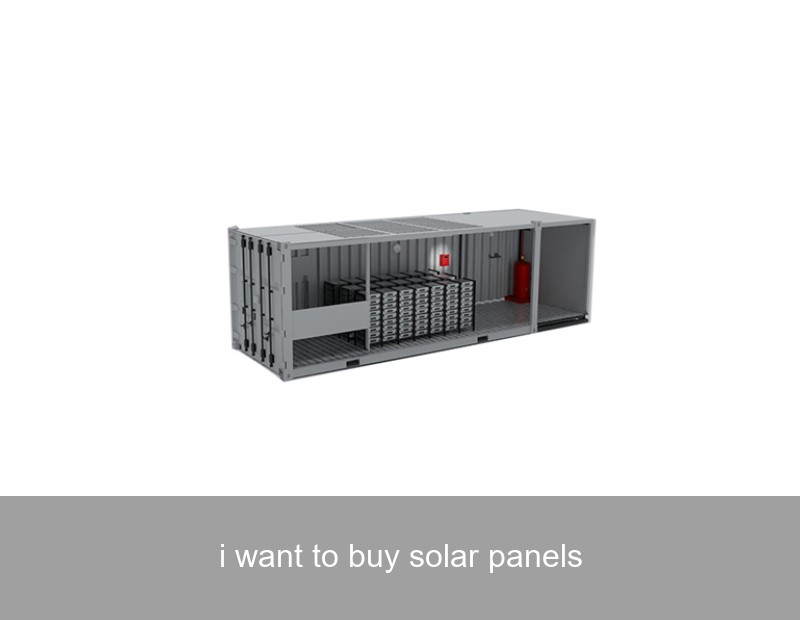
- The Crucial Addition: The Battery Storage System: This is where the true potential of your solar investment is unlocked. Without storage, excess energy you produce at midday is sent back to the grid, often for a modest credit. A battery, like the Highjoule HES Series, captures that excess. It gives you control, allowing you to use your own solar energy in the evening peak when grid rates are highest, and provides backup power. It's the brain and bank of your energy independence.
- Mounting & Monitoring: Robust racking secures your system to the roof, and a user-friendly monitoring platform (like Highjoule's Energy Insight Portal) lets you track production, consumption, and savings in real-time from your smartphone.
Why Storage is No Longer Optional
Think of it this way: solar panels are your new personal power plant. A battery storage system is your on-site warehouse. Without the warehouse, any extra goods you produce have to be shipped out immediately, and you have to buy them back later, often at a higher price. With storage, you keep your goods for when you need them most. For regions like California with NEM 3.0 or countries reducing feed-in tariffs, the economic argument for adding storage from day one is stronger than ever.

Image Source: Unsplash - A modern home energy setup integrating solar generation.
The Financial Framework: Incentives and ROI
The financial model for solar has never been more attractive, thanks to significant government incentives.
| Region | Key Incentive | Impact |
|---|---|---|
| United States | Federal Investment Tax Credit (ITC) | As of 2024, offers a 30% tax credit on the total installed cost of a solar *and* battery storage system. This directly reduces your federal tax liability. |
| Germany | Bundesförderung für Effiziente Gebäude (BEG) & VAT Exemption | Combination of grants for storage systems and 0% VAT on solar installations for residential rooftops, drastically lowering upfront cost. |
| United Kingdom | Smart Export Guarantee (SEG) | Obligates energy suppliers to pay you for surplus electricity you export, creating a revenue stream. |
A credible installer will provide a detailed payback period and lifetime savings analysis. Typically, systems pay for themselves in 6-12 years, followed by 15+ years of virtually free electricity. When you include a Highjoule battery, you also add the value of resilience, which, while hard to quantify, is priceless during an outage.
A Real-World Case Study: The Johnson Family in Hamburg
Let's look at a concrete example. The Johnson family (name changed for privacy) in Hamburg, Germany, decided to act in early 2023. Their goals: reduce their €280/month electricity bill, gain energy security, and contribute to their sustainability goals.
- System Installed: A 9.8 kWp solar array paired with a Highjoule HES-10 battery (10 kWh usable capacity).
- Financials: They utilized the German VAT exemption and a BEG storage grant. Their calculated payback period is 8 years.
- Results After 12 Months: Their annual grid electricity consumption dropped by 82%. They now achieve an average 85% self-consumption rate of their solar energy, meaning they use most of what they produce directly. During a regional grid disturbance in December 2023, their Highjoule system seamlessly provided backup power for lights, refrigeration, and internet for 14 hours, a feature the family now describes as "indispensable."
This case highlights the triple win: dramatic cost reduction, high self-sufficiency, and guaranteed resilience. It's a model replicable across many homes in temperate climates.

Image Source: Unsplash - Conceptual diagram of energy flow in a home with storage.
Choosing the Right Technology Partner
Your solar installer is your guide, but the quality of the components determines the system's longevity and performance. This is where partnering with an established technology provider like Highjoule matters. Founded in 2005, Highjoule is a global leader in advanced energy storage systems. Our expertise isn't just in manufacturing batteries; it's in integrating intelligent, efficient, and sustainable power solutions for homes and businesses.
When you choose a system powered by Highjoule technology, you're selecting:
- Proven Safety & Reliability: Our lithium iron phosphate (LFP) battery chemistry is renowned for its thermal stability and long cycle life, backed by industry-leading warranties.
- Smart Integration: Our systems are designed to work harmoniously with leading solar inverters, creating a cohesive and optimized energy ecosystem.
- Scalability: Starting with one battery? Our modular design allows you to easily expand your storage capacity as your needs grow, protecting your initial investment.
- Global Support: With a presence in Europe and North America, Highjoule provides peace of mind through a network of certified installers and technical support.
Ask any installer you consult not just about panel brands, but about their storage partner's track record, software capabilities, and warranty terms. The battery is a long-term asset; its manufacturer should be a company built to last.
Your Next Steps Towards Solar Energy
The journey from "I want to buy solar panels" to flipping the switch on your own power starts with actionable steps.
- Audit Your Energy Use: Gather your last 12 months of electricity bills. Your annual consumption (in kWh) is the foundational data point for sizing your system.
- Get Multiple Quotes: Seek out 3-4 certified, well-reviewed local installers. Ensure each quote includes a detailed layout, component specifications (including storage options like Highjoule), cashflow analysis, and a clear explanation of warranties.
- Ask the Right Questions: "What is your experience with battery storage integration?" "How do you model my self-consumption with and without a battery?" "Can you provide references from projects with similar Highjoule storage systems?"
- Explore Financing: Many installers offer loan options, and the monthly loan payment can often be less than your current electric bill, creating positive cash flow from day one.
Ready to transform your home into a clean, resilient, and cost-effective energy hub? The best time to start your solar journey was yesterday; the next best time is today. What specific question about your home's potential for solar and storage is most important for you to answer right now?
 Inquiry
 Online Chat