


Intelligent Energy Systems: The Smart Backbone of a Sustainable Power Grid
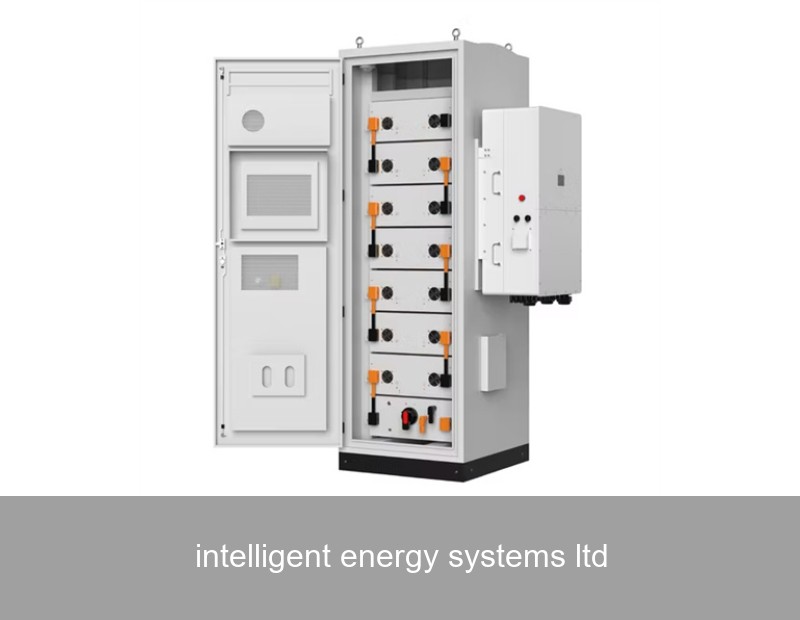
Imagine your home or business not just consuming electricity, but actively participating in the energy market. This is no longer a futuristic concept; it's the reality being built today by intelligent energy systems. As a global leader in advanced energy storage, Highjoule has witnessed firsthand how these smart networks are transforming how we generate, store, and use power. For over 18 years, since our founding in 2005, we've been at the forefront of integrating artificial intelligence, IoT connectivity, and high-performance battery storage to create resilient and efficient power solutions. This article will demystify what intelligent energy systems are, why they are critical for our energy future, and how they deliver tangible value for businesses and communities across Europe and the United States.
Table of Contents
What Are Intelligent Energy Systems (IES)?
At its core, an Intelligent Energy System (IES) is a digitally interconnected ecosystem of energy assets. Think of it as a central nervous system for electricity. It combines:
- Renewable Generation: Solar PV arrays, wind turbines.
- Advanced Energy Storage: Battery systems that act as the "buffer" and controller.
- Smart Inverters & Controls: Devices that manage the flow and quality of power.
- AI-Powered Software: The "brain" that forecasts, optimizes, and automates decisions in real-time.
- End-User Loads: The buildings, factories, or electric vehicles consuming the power.
Unlike traditional, one-way power grids, an IES enables bidirectional communication and energy flow. It doesn't just supply power; it listens, learns, and responds to grid conditions, weather patterns, and energy price signals to operate at peak efficiency and reliability.

Image source: Unsplash (Representative image of a smart energy network)
The Phenomenon: From Passive Grids to Active Networks
The energy landscape is undergoing a seismic shift. The rapid adoption of intermittent renewables like solar and wind, coupled with increasing extreme weather events, is straining aging grid infrastructure. The old model of large, centralized power plants sending electricity over long distances is becoming less stable and more costly.
This phenomenon creates a pressing need for local resilience and dynamic control. This is where intelligent energy systems shine. They turn energy consumers into "prosumers"—entities that both produce and consume—creating decentralized nodes of stability. For a commercial facility, this means avoiding costly peak demand charges. For a community, it means keeping the lights on during a storm. For the broader grid, millions of these intelligent systems can provide vital services like frequency regulation, effectively acting as a distributed virtual power plant.
Data Drives Decisions: The Core of IES
The "intelligence" in these systems comes from data. An effective IES processes thousands of data points per second: solar irradiation forecasts, real-time electricity prices, historical consumption patterns, and battery state-of-charge. Advanced algorithms then use this data to make autonomous decisions.
For example, the software might predict a period of high grid congestion and high prices tomorrow afternoon. It will then command the battery to store excess solar energy in the morning and strategically discharge it during that expensive peak period, maximizing financial return and relieving grid stress. This level of automation is what sets apart a simple solar-plus-storage setup from a true intelligent energy system.
Case Study: A U.S. Manufacturing Plant's Success Story
Let's look at a real-world application. A mid-sized automotive parts manufacturer in Ohio faced two major challenges: volatile energy costs, with demand charges constituting up to 40% of their monthly bill, and a need for ultra-reliable power for sensitive machinery.
The Solution: Highjoule deployed a turnkey intelligent energy system featuring a 500 kW / 1 MWh containerized battery energy storage system (BESS) integrated with their existing rooftop solar and controlled by our proprietary Highjoule Neuron™ AI Platform.
The Data-Driven Outcome: The system was programmed to perform peak shaving and energy arbitrage. Within the first year of operation:
| Metric | Result | Impact |
|---|---|---|
| Peak Demand Reduction | 35% | Direct reduction in monthly utility demand charges. |
| Solar Self-Consumption | Increased from 30% to over 85% | Minimized low-value solar export, maximizing on-site use. |
| Annual Energy Cost Savings | $112,000 | Significant improvement to operational bottom line. |
| Backup Power | 4 hours at critical load | Eliminated risk of production stoppages from short grid outages. |
This case exemplifies how an IES moves beyond simple backup power to become a strategic financial asset. The Highjoule Neuron™ platform continuously refines its algorithms based on local data, ensuring savings compound over time. You can explore more on the importance of grid modernization from the U.S. Department of Energy here.
Highjoule's Role in Building Intelligent Energy Ecosystems
As a pioneer since 2005, Highjoule doesn't just supply components; we architect and deliver the intelligent energy system as a holistic solution. Our expertise bridges the gap between complex hardware and intelligent software.
- Highjoule Halo Series BESS: Our flagship commercial & industrial battery systems are engineered for durability, safety, and seamless integration. They are the physical cornerstone of the IES, built with industry-leading LiFePO4 cells for long lifecycle and thermal stability.
- Highjoule Neuron™ AI Platform: This is the system's brain. It provides real-time monitoring, predictive analytics, and automated control. It can integrate with existing building management systems and participate in grid service programs where available.
- End-to-End Services: From initial feasibility studies and financial modeling to system design, installation, and ongoing performance management, Highjoule provides a single point of accountability. Our solutions are tailored for commercial, industrial, residential, and microgrid applications, ensuring each system meets its unique operational and financial goals.
For a European perspective on the integration of renewables and storage, the International Energy Agency provides regular reports here.

Image source: Unsplash (Representative image of a modern industrial battery storage system)
The Future and Its Challenges
The path forward for widespread intelligent energy system adoption involves navigating regulatory frameworks, evolving market structures, and continuing technological innovation. Interoperability standards are crucial to ensure different technologies can communicate seamlessly. Furthermore, the value of grid services provided by distributed IES needs to be properly recognized and compensated by utilities and grid operators.
Despite these challenges, the direction is clear. The convergence of cheaper renewables, advanced batteries, and sophisticated software is making intelligent energy systems not just a technical possibility, but an economic imperative. They are key to achieving energy independence, sustainability targets, and economic competitiveness.
A Final Thought to Power Your Decision
We've seen how data and automation can turn energy from a cost center into a strategic asset. The question is no longer if intelligent energy systems will become the standard, but when. Is your organization ready to audit its energy flows and explore how an intelligent system could build resilience, cut costs, and contribute to a more stable grid for everyone?
 Inquiry
 Online Chat