


The Split-Phase Hybrid Inverter: Your Key to Uninterrupted, Efficient Home Energy
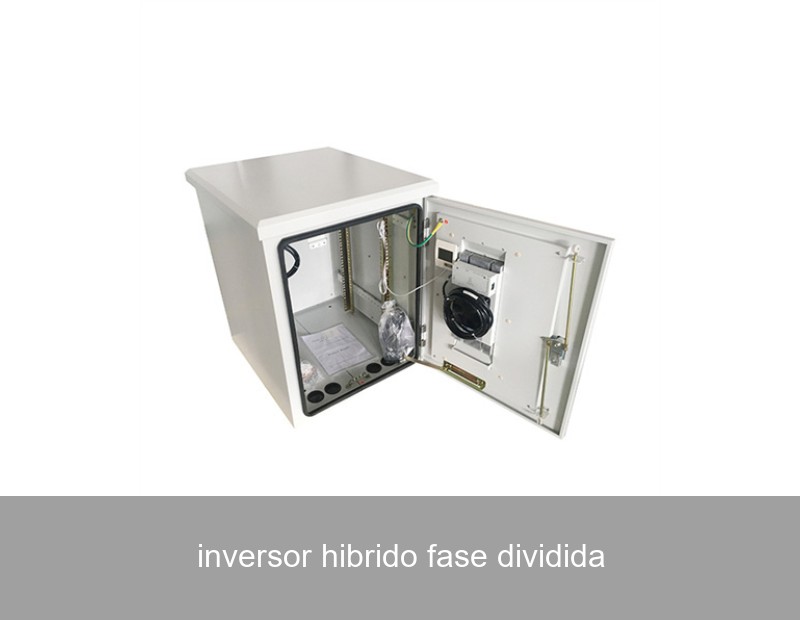
If you're a homeowner in the US or exploring energy independence in Europe, you've likely heard about solar panels and home batteries. But the real brain behind a truly resilient and efficient system? It's often the split-phase hybrid inverter. This unsung hero doesn't just convert solar energy; it intelligently manages power from your panels, your battery, and the grid to keep your lights on—seamlessly and efficiently. Let's demystify this critical component and explore how it forms the cornerstone of a modern smart home energy system.
The Challenge: Phenomenon of Power Imbalance & Outages
In North America, the standard electrical supply for homes is split-phase power—two 120V lines that combine to provide 240V for large appliances. This creates a unique challenge: power consumption is rarely perfectly balanced across both "phases." Now, imagine adding solar and a battery into this mix. A traditional inverter might struggle to manage this inherent imbalance, potentially leading to inefficiencies or even safety cut-offs. Furthermore, when the grid fails, many systems go completely dark, leaving you without power despite having solar panels on your roof. This frustrating phenomenon, known as "solar shutdown during outages," highlights the need for a more intelligent solution.
The Data & Solution: How Split-Phase Hybrid Tech Works
A split-phase hybrid inverter is specifically engineered to solve these problems. Think of it as a sophisticated energy conductor and translator. It performs three core functions simultaneously:
- DC-to-AC Conversion: It converts the direct current (DC) from your solar panels into the alternating current (AC) your home uses.
- Battery Integration: It bi-directionally manages a battery storage system, charging it with excess solar or grid power and discharging it when needed.
- Split-Phase Management: Crucially, it actively balances the load across the two 120V legs, ensuring stable voltage and preventing overloads on a single phase.
During a grid outage, a true hybrid inverter with islanding capability can instantly disconnect from the grid (a safety feature) and use solar and battery power to form a microgrid for your home. According to the National Renewable Energy Laboratory (NREL), advanced inverters are key to building resilience and integrating higher levels of renewables. This isn't just backup power; it's intelligent energy autonomy.
Technical Snapshot: Power Flow in a Hybrid System
| Condition | Solar Production | Battery Status | Grid Interaction | Inverter Action |
|---|---|---|---|---|
| Sunny Day | High | Charging | Excess exported | Prioritizes self-consumption, manages phase balance |
| Evening Peak | Low/None | Discharging | Minimal import | Draws from battery, supplements from grid if needed |
| Grid Outage | Any | Discharging | Disconnected | Forms an island, powers critical loads from solar+battery |
Real-World Case Study: A California Winery
Consider the case of a family-run winery in Sonoma County, California—a region prone to seasonal wildfires and Public Safety Power Shutoffs (PSPS). Their challenge was twofold: protect sensitive fermentation processes from costly outages and reduce a significant electricity bill driven by refrigeration loads.
They installed a 25 kW solar array paired with a 40 kWh battery storage system, all managed by a robust split-phase hybrid inverter system. The results over 18 months were compelling:
- Resilience: Experienced 12 grid outages totaling over 150 hours. The system provided uninterrupted power for critical cooling and facility operations every time.
- Financials: Achieved 92% energy self-sufficiency, reducing their grid electricity purchases by approximately $18,000 annually.
- ROI: The investment, factoring in available incentives, is projected to pay for itself in under 7 years.
This case underscores that a well-designed system with the right inverter isn't an expense; it's a strategic asset for business continuity and financial control.

Image Source: Unsplash (Representative image of a modern solar and storage installation)
The Highjoule Solution: Intelligent Energy Independence
At Highjoule, with nearly two decades of expertise since 2005, we understand that every home and grid is different. Our H-Series Hybrid Inverter Systems are engineered for the demands of the North American and European markets, offering seamless split-phase power management and unparalleled reliability.
Our integrated approach goes beyond hardware. The Highjoule H-Energy Hub is a prime example—a compact unit combining a high-efficiency split-phase hybrid inverter, a scalable battery cabinet, and advanced grid-interface technology. It's designed for easy installation and is managed by our intuitive Highjoule Energy OS, a software platform that learns your consumption patterns, optimizes for time-of-use rates, and gives you complete control via a smartphone app.
Whether it's for a robust residential application in Texas or a sophisticated microgrid for a European community, Highjoule systems are built to deliver intelligent, efficient, and sustainable power solutions. We provide end-to-end support, from design and commissioning to ongoing monitoring, ensuring your investment delivers peace of mind and performance for years to come.
Key Benefits of a Modern Split-Phase Hybrid System
- True Uninterruptible Power Supply (UPS): Sub-20 millisecond switchover during outages—so fast your computers won't reboot.
- Maximized Self-Consumption: Intelligently routes solar energy to power your home first, charge the battery second, and only then export, maximizing your savings.
- Grid Services & Savings: In some markets, systems can participate in virtual power plants or demand response programs, generating additional revenue. You can also strategically avoid peak electricity tariffs.
- Future-Proofing: As standards evolve (like the upcoming IEEE 1547-2018 for distributed resources), software-upgradable inverters like Highjoule's ensure ongoing compliance and functionality.
Image Source: Unsplash (Representative image of energy monitoring software)
Making the Right Choice for Your Home
Choosing the right split-phase hybrid inverter system depends on your home's electrical profile, your energy goals (max savings vs. max resilience), local climate, and utility rules. Key specifications to discuss with your installer include continuous power rating (kW), surge capability for starting motors, battery compatibility and voltage, and the depth of system monitoring and control.
It's a significant decision, but you don't have to make it alone. The right technology partner can make all the difference.
 Inquiry
 Online Chat