


Understanding Inverter Lithium Batteries: The Heart of Modern Energy Storage
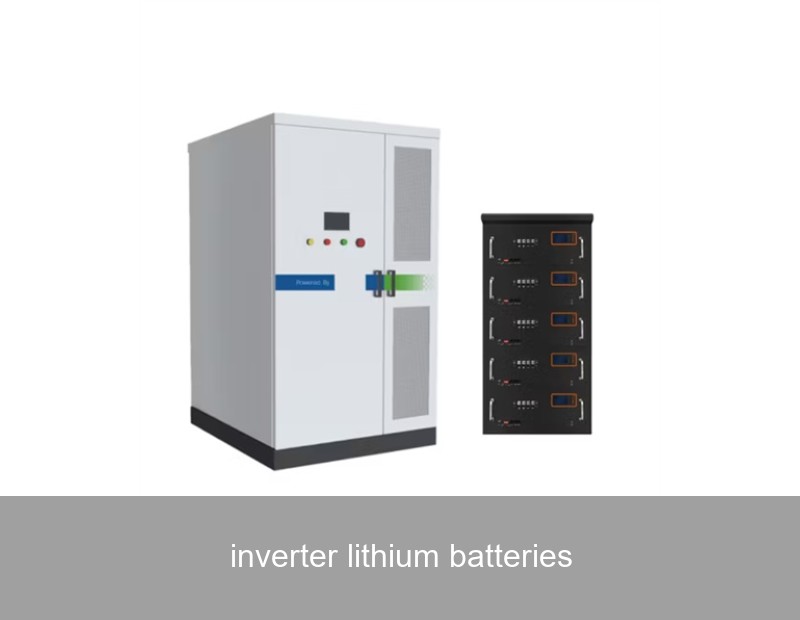
Have you ever wondered what makes a modern solar-plus-storage system tick? Or why some homes and businesses seem to effortlessly manage their energy costs, even during peak hours or grid outages? The secret often lies in a powerful duo: the solar inverter and the lithium battery. But today, we're talking about a more integrated solution: inverter lithium batteries. This technology is revolutionizing how we store and use renewable energy across Europe and the United States, moving us toward a more resilient and cost-effective energy future.
Table of Contents
What Are Inverter Lithium Batteries?
Let's break it down. Traditionally, a solar energy system had separate components: solar panels, a battery to store excess power, and an inverter to convert the direct current (DC) from the panels and battery into the alternating current (AC) your home or business uses. An inverter lithium battery system integrates the inverter and the lithium-ion battery into a single, streamlined unit. Think of it as the "brain" and the "brawn" of your energy system in one compact, intelligent package.
This integration isn't just about saving space. It enables superior communication and control, allowing the system to make split-second decisions about energy flow—whether to power your appliances, charge the battery from solar, or discharge battery power to avoid drawing expensive grid electricity.
Why They Matter: The Data Behind the Trend
The shift towards integrated inverter lithium batteries is driven by hard economics and growing energy challenges. In the US, power outages have increased by approximately 64% over the past decade. Meanwhile, in Europe, electricity prices have seen significant volatility, with households and businesses seeking stability.
Here's where the numbers get compelling. A well-designed storage system can:
- Increase self-consumption of solar power from 30-50% to over 70-80%.
- Provide critical backup power during outages, often within milliseconds.
- Deliver substantial savings through "peak shaving"—avoiding drawing power during the most expensive utility rate periods.
| Challenge | Traditional Setup | Integrated Inverter Lithium Battery |
|---|---|---|
| System Efficiency | Multiple conversion losses | Optimized, single-point conversion |
| Management & Control | Separate systems, complex communication | Unified, intelligent energy management |
| Space & Installation | More components, more wiring | Compact, streamlined installation |
Key Benefits of an Integrated System
Choosing an integrated system unlocks several advantages:
- Higher Efficiency: Reduced energy loss between components means more of your solar generation ends up powering your home.
- Enhanced Reliability: Seamless failover during grid failures. The integrated system detects an outage and isolates your home (forming a "microgrid") almost instantly.
- Intelligent Energy Management: Advanced software learns your consumption patterns and automatically optimizes charging and discharging based on weather, time-of-use rates, and your personal preferences.
- Scalability: Need more storage? Many systems allow you to add additional battery modules to your core inverter unit as your needs grow.

Image Source: Unsplash (Representative image of a modern energy storage system)
A Real-World Case Study: Peak Shaving in Practice
Let's look at a concrete example. A medium-sized dairy processing plant in Bavaria, Germany, faced steep demand charges—fees based on their highest 15-minute power draw each month. Their solar panels helped during the day, but early morning operations before the sun was strong created a costly power spike.
The Solution: The plant installed a 120 kWh integrated inverter lithium battery system. The system was programmed to discharge battery power precisely during the 6:00 AM - 8:00 AM operational window, supplementing grid power to "shave" the peak demand.
- Peak Demand Reduction: 28% average reduction in peak grid draw.
- Annual Savings: €18,500 saved on demand charges and increased solar self-consumption.
- ROI Period: Projected payback in under 6 years, with a system lifespan of 15+ years.
- Added Resilience: The system now provides backup power for critical refrigeration units during unexpected grid disturbances.
This case, documented in a Fraunhofer ISE study on energy costs, highlights the tangible financial and operational benefits for commercial entities.
Choosing the Right System for Your Needs
Not all inverter lithium batteries are created equal. When evaluating options, consider:
- Power Rating (kW): How much power can it deliver at once? This determines how many appliances you can run simultaneously on battery.
- Energy Capacity (kWh): How much total energy can it store? This dictates how long you can power your home or business.
- Depth of Discharge (DoD): Quality lithium batteries (like LiFePO4) safely allow 90-100% DoD, meaning you can use almost all the stored energy.
- Software & Grid Services: Can it participate in virtual power plants or utility incentive programs? Advanced software is key to maximizing value.
Highjoule's Role in Advanced Energy Storage
At Highjoule, with nearly two decades of experience since 2005, we've dedicated ourselves to solving these exact energy challenges. Our HPS Series (Hybrid Power System) epitomizes the next generation of inverter lithium battery technology. Designed for both residential and commercial applications, the HPS features:
- A high-efficiency, bi-directional inverter seamlessly integrated with our proprietary LiFePO4 battery modules.
- The Highjoule EnergyOS platform, which uses AI-driven forecasting to optimize every kilowatt-hour for savings and resilience.
- Scalable design, allowing customers to start with a base configuration and expand storage capacity as needed.
- Compliance with the latest grid codes in both North America and Europe, ensuring safe and reliable operation.
For larger-scale needs, such as industrial sites and microgrids, our Containerized Battery Energy Storage Systems (BESS) provide utility-grade storage, seamlessly integrating with multiple generation sources and providing grid stability services. Our solutions are not just products; they are comprehensive, intelligent power solutions backed by global support and monitoring.

Image Source: Unsplash (Representative image of industrial energy storage monitoring)
Looking Ahead: Your Energy Independence
The energy landscape is shifting from a one-way grid to an interactive network of producers and storers—a "prosumer" model. Inverter lithium batteries are the enabling technology at the individual level. They turn intermittent solar generation into a firm, dispatchable resource.
As you consider your own energy resilience and costs, ask yourself: What would a 30% reduction in your peak demand charges do for your business's bottom line? How much value would uninterrupted power bring to your home or community? The technology to answer these questions is here and mature.
What is the first step you would take to understand your site's specific energy profile and potential for savings with an integrated storage system?
 Inquiry
 Online Chat