


Solar with Lithium Battery: The Complete Guide to Energy Independence
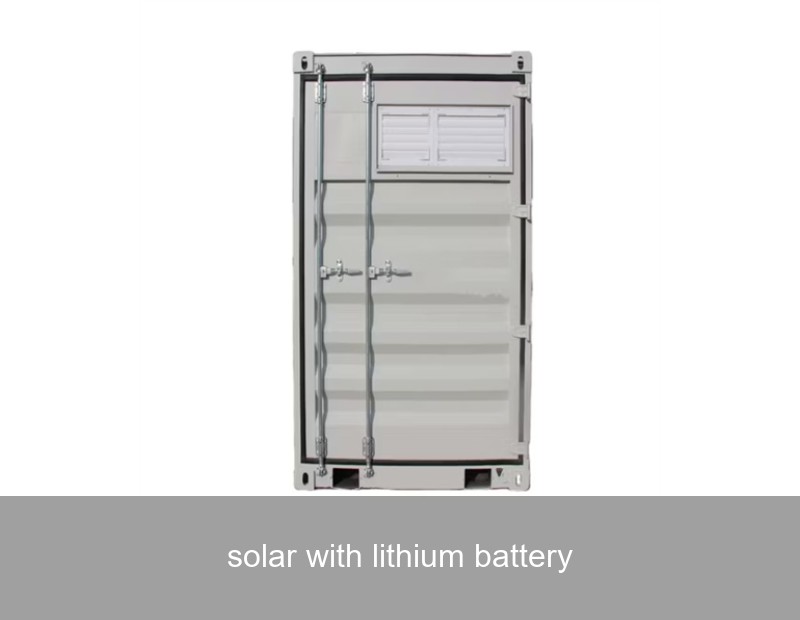
You've likely seen the headlines: energy prices soaring, grid instability making news, and a growing desire for true energy independence. For homeowners and businesses across Europe and the U.S., the dream of harnessing the sun's power is more appealing than ever. But the sun doesn't shine 24/7. This is where pairing solar with lithium battery storage transforms a good idea into a revolutionary one. It's not just about generating clean energy; it's about controlling when and how you use it. Let's explore how this powerful duo works and why it's becoming the cornerstone of modern energy management.
Why Pair Solar Panels with a Lithium Battery?
Think of your solar panels as a diligent worker producing energy only during daylight hours. Without storage, any excess energy you don't use immediately is often sent back to the grid, sometimes for a modest credit (net metering). However, you then draw power from the grid at night, paying full price. This dynamic is changing rapidly. The International Energy Agency reports that solar PV is one of the cheapest electricity sources in history, but its variability remains a challenge.
Adding a lithium-ion battery changes this equation entirely. It captures your surplus solar energy, storing it like a savings account for electricity. When your panels stop producing, you draw from your battery first, drastically reducing reliance on the utility grid. This simple shift unlocks a new level of energy autonomy, financial savings, and resilience.
How Does a Solar Lithium Battery System Work?
A modern system is an intelligent ecosystem. Here's a simplified breakdown:
- Generation: Solar panels convert sunlight into direct current (DC) electricity.
- Conversion: An inverter converts DC electricity into alternating current (AC) for your home's appliances.
- Storage & Intelligence: A critical component is the battery inverter/controller. It directs excess AC power to charge your lithium battery. When solar production falls, it seamlessly switches to discharge power from the battery to your home.
- Consumption: Your home uses the clean energy, prioritizing solar first, then battery, then grid.
Advanced systems, like those from Highjoule, use sophisticated energy management software (EMS) to optimize this flow based on weather forecasts, electricity tariffs, and your usage patterns.
Key Benefits: Beyond Just Backup Power
The advantages of integrating solar with lithium battery storage extend far beyond emergency backup.
- Maximize Self-Consumption: Use more of the solar energy you produce, sometimes increasing self-consumption rates from 30% to 70% or more.
- Reduce Energy Bills: Avoid purchasing expensive peak-hour electricity from the grid. In regions with time-of-use rates, the savings are substantial.
- Enhanced Resilience: Keep essential loads running during grid outages. Modern systems can island your home, providing power for hours or even days.
- Grid Support & Sustainability: By reducing peak demand on the grid, you contribute to community-wide stability and lower carbon emissions.

Image Source: Unsplash - A modern solar and battery installation.
A Real-World Case Study: Resilience in Action
Let's look at a concrete example from California, USA, a market with high solar adoption and increasing grid concerns.
The Challenge: A medium-sized winery in Napa Valley relied on grid power for its critical cooling systems and fermentation tanks. Seasonal grid outages (Public Safety Power Shutoffs) threatened to disrupt operations and spoil valuable inventory.
The Solution: In 2022, the winery installed a 250 kW solar array paired with a 500 kWh lithium-ion battery energy storage system (BESS).
The Results:
| Metric | Outcome |
|---|---|
| Energy Cost Reduction | 65% decrease in monthly utility bills |
| Outage Protection | Ability to run critical loads for over 18 hours during a grid outage |
| ROI Timeline | Estimated payback period of 5.2 years, factoring in state incentives |
| Carbon Footprint | Reduced by approximately 120 metric tons of CO2 annually |
Choosing the Right System for Your Needs
Not all systems are created equal. Key considerations include:
- Battery Capacity (kWh): How much energy can it store? This determines how long it can power your home.
- Power Rating (kW): How much power can it deliver at once? This determines how many appliances you can run simultaneously.
- Depth of Discharge (DoD): Quality lithium batteries (like LiFePO4) safely allow 90%+ DoD, meaning you can use almost all the stored energy.
- System Intelligence: Can it learn your habits and optimize for cost or carbon savings automatically?
- Scalability: Can you add more batteries later if your needs grow?
How Highjoule Powers Smarter Energy Storage
As a global leader in advanced energy storage since 2005, Highjoule designs solutions that address these exact considerations. Our HES (Highjoule Energy Stack) series for residential and commercial applications is built on safe, long-life LiFePO4 chemistry and features integrated, smart energy management.
What sets a Highjoule system apart in a solar with lithium battery setup is its adaptive software. Our platform doesn't just store energy; it makes strategic decisions. It can be configured to:
- Automatically charge from excess solar or during low-cost, off-peak grid periods.
- Discharge during expensive peak hours to maximize bill savings.
- Maintain a "reserve" for outages, ensuring you're always protected.
- Integrate with microgrids for communities or industrial parks, providing a layer of local energy security.
For businesses, our industrial-scale BESS solutions offer even greater control, helping to manage demand charges, participate in grid services, and ensure operational resilience against volatile energy markets—particularly relevant in Europe today.

Image Source: Unsplash - Industrial battery storage system.
The Future of Solar and Storage
The synergy between solar with lithium battery technology is accelerating. We're seeing trends toward higher energy density (more storage in a smaller footprint), longer cycle life (15+ years), and the rise of "virtual power plants" (VPPs), where thousands of distributed systems are aggregated to act as a single, grid-stabilizing power plant. The technology is moving from a premium option to a standard, value-driven component of any new solar installation.
Ready to Take Control of Your Energy?
The journey to energy independence starts with understanding your specific consumption patterns, goals, and local regulations. Whether you're a homeowner looking to shield yourself from the next rate hike or a facility manager tasked with securing critical operations, the right solar-plus-storage system is a powerful asset.
What would energy security and predictable costs mean for your home or business in the coming year?
 Inquiry
 Online Chat