


Why Your Next Energy Storage System Needs a Reliable LFP Storage Supplier
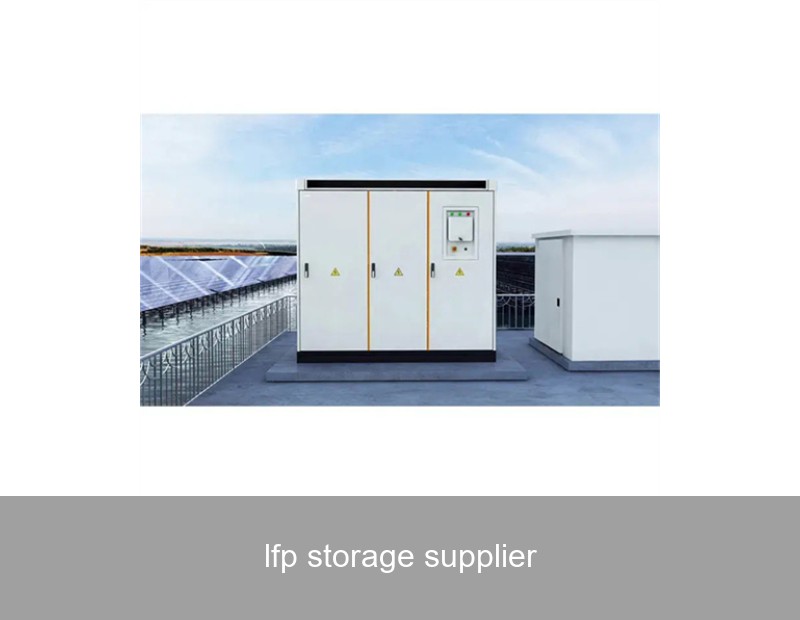
In the quest for a cleaner, more resilient energy future, one technology is consistently stealing the spotlight: Lithium Iron Phosphate (LFP) batteries. As a leading LFP storage supplier, we at Highjoule have witnessed firsthand the seismic shift towards this safer, longer-lasting chemistry. But what's driving this change, and more importantly, how do you choose the right partner to harness its full potential? This article dives deep into the world of LFP storage, exploring its advantages and the critical role of a seasoned supplier in ensuring your project's success.
Table of Contents
The LFP Advantage: More Than Just a Battery
Let's start with the basics. LFP stands for Lithium Iron Phosphate, the cathode material that defines this battery chemistry. While other lithium-ion batteries (like NMC) have dominated headlines, LFP has quietly built a reputation as the workhorse of the energy storage world. Why? The data speaks for itself.
A recent U.S. Department of Energy analysis highlights LFP's inherent strengths: superior thermal and chemical stability. This translates into tangible benefits for you:
- Enhanced Safety: LFP batteries are far more resistant to thermal runaway, significantly reducing fire risk—a paramount concern for residential, commercial, and industrial installations.
- Longer Cycle Life: Where a typical NMC battery might offer 3,000-5,000 cycles, modern LFP cells from top-tier suppliers can deliver 6,000+ cycles to 80% capacity. This means more years of service and a lower total cost of ownership.
- Cost-Effectiveness: By avoiding expensive metals like cobalt and nickel, LFP chemistry benefits from more stable and lower raw material costs, a critical factor for large-scale deployment.

Image Source: Unsplash (Representative image of battery modules)
So, the phenomenon is clear: the market is moving towards safer, more durable storage. But procuring quality LFP cells is only the first step. The real magic—and the real challenge—lies in integrating them into a high-performance, reliable system.
Beyond the Cell: What Makes a True LFP Storage Supplier?
Here’s a common misconception: an LFP storage supplier simply sells battery packs. In reality, the supplier's expertise determines the system's performance, safety, and longevity. Think of it this way: anyone can buy flour and eggs, but only a skilled baker can create a perfect soufflé.
A true partner like Highjoule provides a holistic solution:
- Advanced Battery Management System (BMS): This is the brain of the operation. A sophisticated BMS actively monitors and manages each cell cluster, ensuring perfect balance, optimal charging/discharging, and immediate response to any anomalies.
- System Integration & Power Conversion: Seamless integration with your existing solar PV, grid connection, and building management system is non-negotiable. High-efficiency inverters and controllers are key to maximizing round-trip efficiency.
- Software & Intelligence: Hardware is just the beginning. Cloud-based energy management software allows for smart control, enabling features like peak shaving, time-of-use optimization, and grid services participation.
- Compliance & Certification: Navigating the complex web of UL, IEC, and regional safety standards (like VDE in Europe) is a core competency of a reputable supplier.
Choosing a supplier that masters all these elements is what separates a successful, worry-free installation from a costly, underperforming one.
Case Study: LFP Storage Stabilizes Energy Costs for a German Manufacturing Plant
Let's look at a real-world example from our European operations. A mid-sized automotive parts manufacturer in Bavaria faced volatile energy prices and costly demand charges from their utility. Their goal was to reduce operational costs and increase on-site consumption of their rooftop solar PV.
The Solution: Highjoule designed and deployed a turnkey 500 kWh / 1000 kWh LFP battery storage system integrated with their existing infrastructure. Our intelligent energy management system was programmed to perform dynamic peak shaving and store excess solar generation for use during evening production hours.
The Data-Driven Results (After 12 Months):
| Metric | Result |
|---|---|
| Peak Demand Charges Reduced | By 32% |
| Grid Electricity Consumption | Reduced by 41% |
| Solar Self-Consumption Rate | Increased from 35% to over 80% |
| Projected Payback Period | Under 5 years |
This case, documented in a Fraunhofer ISE study on storage value streams, illustrates the tangible financial and operational impact a well-engineered LFP system from a capable supplier can deliver. The client now enjoys predictable energy costs and a significant step towards their sustainability targets.
The Highjoule Approach: Intelligent LFP Storage Solutions
Since 2005, Highjoule has evolved from a battery innovator to a global provider of complete, intelligent storage ecosystems. Our philosophy is that an LFP storage supplier's duty is to deliver not just power, but confidence.
Our product lines, such as the Highjoule H-Series Commercial ESS and the ResiCore Home Battery, are built on this principle. They feature our proprietary CellGuard™ BMS and UnityOS™ energy management platform. This combination allows for real-time system health monitoring, remote updates, and adaptive control algorithms that learn and optimize to your unique energy patterns.
For larger-scale microgrid and industrial applications, we don't just supply containers; we provide a full Microgrid-as-a-Service (MaaS) solution. This includes feasibility studies, system design, financing options, installation, and 24/7 performance monitoring—all from a single, accountable partner. Our systems are engineered for the rigorous demands of both the North American (UL 9540) and European (IEC 62619) markets.

Image Source: Unsplash (Representative image of energy system monitoring)
Choosing Your Storage Partner: Key Questions to Ask
As you evaluate potential LFP storage suppliers, moving beyond spec sheets is crucial. Here are some pointed questions to guide your conversation:
- Can you provide a detailed breakdown of your BMS capabilities and safety protocols?
- What is your process for system design and ensuring compatibility with my site's specific hardware and goals?
- Do you offer performance guarantees or warranties that cover long-term degradation?
- Can you share reference cases with verifiable performance data from a project similar to mine?
- What does your after-sales support and remote monitoring service entail?
The answers will quickly reveal whether you're dealing with a mere vendor or a true technology partner invested in your project's long-term success.
We've explored the compelling "why" behind LFP technology and the defining "how" of a quality supplier. The transition to resilient, renewable-powered operations is not a distant future—it's happening now. The choice of your LFP storage supplier will fundamentally shape the reliability and economics of that transition for your home or business. So, what specific energy challenge is holding your project back, and how could a truly intelligent storage system unlock its potential?
 Inquiry
 Online Chat