


Lithium Batteries for Solar Systems for Sale: The Smart Choice for Modern Energy Independence
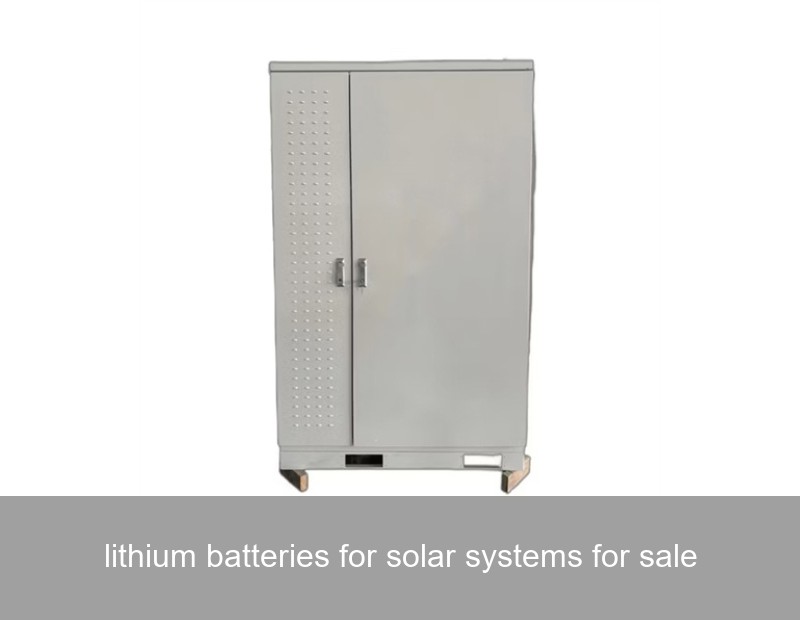
Have you ever watched your solar panels generate a surplus of clean energy on a sunny afternoon, only to see it go to waste because you couldn't store it? You're not alone. Millions of solar system owners face this exact dilemma. The solution, however, is clear and increasingly accessible: pairing your photovoltaic (PV) array with high-performance lithium batteries for solar systems for sale. This combination isn't just an upgrade; it's a transformation that turns a daytime-only power source into a 24/7 energy asset. Let's explore why lithium-ion technology has become the undisputed champion for solar storage and how to navigate the market for the right solution.
Table of Contents
Why Lithium-Ion Dominates Solar Storage
Gone are the days when lead-acid batteries were the default choice. The shift to lithium-ion (Li-ion) for residential and commercial solar storage is driven by stark performance advantages. Think of it as the difference between an old flip phone and a modern smartphone—both make calls, but one's capabilities are in a different league.
- Higher Depth of Discharge (DoD): You can safely use 90-95% of a lithium battery's capacity without harming it. Many lead-acid batteries shouldn't be discharged beyond 50% regularly.
- Longer Lifespan: Where a lead-acid battery might last 500-1000 cycles, quality lithium batteries for solar systems routinely deliver 6000+ cycles while retaining most of their capacity.
- Greater Efficiency: Li-ion systems boast round-trip efficiency of 95-98%, meaning almost all the energy you put in is available for use. Lead-acid often loses 15-20% as heat.
- Compact Size & Weight: They offer a much higher energy density, requiring far less physical space for the same amount of stored power.
This technological leap is backed by data. According to a 2023 report from the National Renewable Energy Laboratory (NREL), the levelized cost of storage for lithium-ion systems has fallen by over 80% in the last decade, making them the most economically viable option for most applications.
Key Specifications to Understand When Buying
Navigating the market for lithium batteries for solar systems for sale means looking beyond just price. Here are the critical specs that tell the real story:
| Specification | What It Means | Why It Matters |
|---|---|---|
| Usable Capacity (kWh) | The actual amount of energy you can use after accounting for Depth of Discharge. | Determines how long your home can run on battery power. |
| Continuous Power (kW) | The maximum power the battery can deliver at one moment. | Dictates how many large appliances (e.g., AC, oven) you can run simultaneously. |
| Cycle Life (@ DoD) | The number of charge/discharge cycles before capacity degrades to a specified level (e.g., 80%). | Directly correlates with the system's longevity and value over time. |
| Battery Management System (BMS) | The onboard computer that manages voltage, temperature, and safety. | A sophisticated BMS is crucial for safety, performance, and lifespan. |
A Real-World Case: The California Challenge and Solution
Let's move from theory to practice. In California, the combination of Public Safety Power Shutoffs (PSPS) and time-of-use (TOU) rates with high evening peaks has created a perfect use case. A medium-sized winery in Napa Valley faced frequent grid outages during critical harvest and fermentation periods, risking millions in product loss.
The Problem: Their existing 50 kW solar array was useless during grid outages (as most standard systems shut off for safety) and couldn't offset high evening energy costs.
The Solution: They installed a 120 kWh lithium-ion battery storage system coupled with a critical load panel and islanding capability. The system was designed to:
- Provide seamless backup power to cooling tanks and essential systems for over 8 hours during outages.
- Automatically shift solar energy to be used during peak rate periods (4-9 PM), slashing their demand charges.
The Result: In the first year, the system mitigated 5 outage events with zero operational disruption and reduced their annual electricity bill by over 40%. The projected payback period was under 5 years, not accounting for potential product savings from avoided spoilage.

Image Source: Unsplash (Representative image of commercial solar installation)
Choosing the Right System for Your Needs: Residential vs. Commercial
Your search for lithium batteries for solar systems for sale must be guided by your specific use case. The priorities for a homeowner differ significantly from those of a factory manager.
For Residential Users
The primary drivers are typically backup power during outages and maximizing self-consumption of solar energy. Key considerations include system size (often 10-20 kWh), integration ease with existing solar, and quiet, maintenance-free operation. A modular system that can be expanded later is a popular, future-proof choice.
For Commercial & Industrial (C&I) Users
The calculus shifts to financial resilience and demand charge management. Systems are larger (often 100 kWh to multi-MWh), and the focus is on peak shaving, providing uninterrupted power for critical processes, and potentially participating in grid services. Robust monitoring and software for energy management are non-negotiable.
How Highjoule Powers Your Energy Independence
At Highjoule, with nearly two decades of experience since 2005, we've moved beyond simply offering lithium batteries for solar systems for sale. We engineer integrated energy resilience solutions. Our approach is to understand your energy profile and goals first, then design a system that delivers tangible value.
Our flagship product, the Highjoule HPS Series, is a modular lithium iron phosphate (LFP) battery system. LFP chemistry is renowned for its exceptional safety and long cycle life, making it ideal for both daily cycling and reliable backup. The HPS series features:
- Scalable design from 10 kWh to multi-megawatt installations.
- An advanced, self-learning energy management system that optimizes for cost, consumption, and grid conditions.
- Seamless integration with new or existing solar PV systems and most major inverter brands.
- Remote monitoring and control via a user-friendly dashboard, giving you complete insight into your energy flows.
For our commercial clients, our GridSynergy Platform enables sophisticated strategies like demand response and virtual power plant (VPP) participation, turning your storage asset into a potential revenue stream.

Image Source: Unsplash (Representative image of a modern home energy system)
The Future of Solar-Plus-Storage: Beyond the Battery
The evolution doesn't stop at the battery cell. The true intelligence lies in the software that manages it. We're moving towards systems that don't just store energy but actively learn and predict household or facility patterns, weather forecasts, and real-time electricity prices to make autonomous, cost-optimal decisions. Furthermore, the rise of vehicle-to-home (V2H) technology will see electric vehicles acting as mobile storage units, further blurring the lines between consumption and storage.
Choosing the right lithium batteries for solar systems for sale is the first step into this intelligent energy future. It's an investment that pays dividends in control, sustainability, and economic savings.
Ready to See Your Specific Savings?
What would a 70% or higher self-sufficiency rate do for your home's resilience or your business's operational bottom line? The numbers might surprise you.
 Inquiry
 Online Chat