


Why a Lithium Energy Storage System is the Smart Choice for Modern Energy Independence
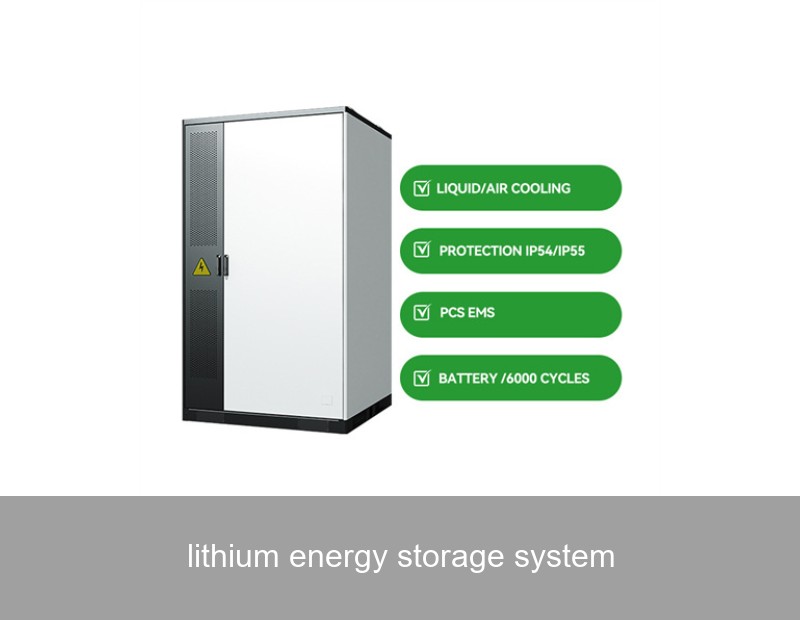
Have you ever glanced at your electricity bill and wondered where all that power—and money—goes? Or perhaps you've seen news of grid instability and wondered about the reliability of your home or business's energy supply. You're not alone. Across Europe and the U.S., a quiet revolution is powering up, centered on one key technology: the lithium energy storage system. These aren't just bulky batteries; they are intelligent energy hubs that store electricity when it's cheap and abundant (like from your solar panels at noon) and release it when it's expensive and scarce (like during a peak evening hour). This simple shift—from passive consumption to active management—is transforming how we think about power. For over 18 years, Highjoule has been at the forefront of this shift, engineering smart, efficient, and sustainable storage solutions that empower businesses, industries, and homeowners to take control.
Table of Contents
- The Rise of the Lithium Energy Storage System
- How It Works: More Than Just a Battery
- A Real-World Case Study: Powering Through the Peak in Germany
- Choosing the Right System for Your Needs
- The Future is Stored
The Rise of the Lithium Energy Storage System
The energy landscape is undergoing its most significant transformation since the advent of AC power. The driving forces are clear: the rapid deployment of intermittent renewables like solar and wind, increasing concerns about grid resilience, and the simple economic desire to reduce energy costs. According to the International Energy Agency (IEA), global energy storage capacity is set to expand dramatically by 2030, with lithium-ion batteries leading the charge due to their high efficiency, declining costs, and proven performance.
This isn't just a utility-scale story. The real magic happens at the "edge of the grid"—in homes, factories, and community microgrids. Here, a lithium energy storage system acts as a personal energy buffer. It smooths out the peaks and valleys, allowing a bakery to run its ovens during a grid outage, a family to use solar power at night, or a data center to avoid punitive demand charges. Highjoule's philosophy has always been to bring utility-grade intelligence into scalable, user-friendly systems. Our products are designed to seamlessly integrate with existing infrastructure, whether it's a new residential solar array or a decades-old industrial facility, providing a bridge to a more secure and sustainable energy future.

Image Source: Unsplash (Professional photography of energy storage installation)
How It Works: More Than Just a Battery
Think of a modern lithium storage system as the brain and heart of your energy ecosystem. It's a sophisticated assembly of components working in concert:
- Lithium-Ion Battery Cells: The core energy reservoir, known for high energy density, long cycle life, and rapid charge/discharge capabilities.
- Battery Management System (BMS): The guardian. It continuously monitors cell voltage, temperature, and state of charge to ensure safety, performance, and longevity.
- Power Conversion System (PCS): The translator. It converts the battery's direct current (DC) into the alternating current (AC) used by your appliances and the grid, and vice-versa.
- Energy Management System (EMS): The brain. This is where Highjoule's intelligence truly shines. Our proprietary EMS uses algorithms and real-time data to make autonomous decisions: when to store, when to discharge, and how to optimize for cost savings or backup priority.
Unlike simpler setups, a Highjoule lithium energy storage system is context-aware. It can be programmed to prioritize self-consumption of solar, participate in grid services (where available), or provide seamless backup power the instant the grid fails—all without you lifting a finger.
Key Benefits of a Modern Lithium Storage Solution
| Benefit | Impact for Homeowners | Impact for Businesses |
|---|---|---|
| Energy Bill Savings | Use more of your own solar power, reducing grid imports during high-tariff periods. | Dramatically cut "demand charges" by flattening peak power draws, a major cost for industry. |
| Energy Resilience & Backup | Keep lights, refrigeration, and critical loads on during grid outages. | Ensure operational continuity, protect sensitive equipment, and avoid production downtime. |
| Grid Support & Sustainability | Support a greener grid by storing excess renewable energy for local use. | Meet corporate sustainability (ESG) goals, reduce carbon footprint, and future-proof operations. |
| Long-Term Value | Increase property value with a modern, desirable energy asset. | Create a predictable, long-term energy cost structure, insulating from volatile market prices. |
A Real-World Case Study: Powering Through the Peak in Germany
Let's move from theory to practice. Consider a mid-sized automotive parts manufacturer near Stuttgart, Germany. Their challenge was twofold: skyrocketing electricity costs driven by high peak demand charges, and a corporate mandate to reduce their carbon footprint by 30% within five years.
The Solution: Highjoule designed and deployed a containerized, turnkey lithium energy storage system with a capacity of 500 kWh/250 kW. Integrated with their existing rooftop solar PV, the system was programmed with a primary goal: peak shaving.
The Data-Driven Outcome: The system's intelligent EMS predicts the facility's daily load profile. Just before the operational peaks (like when all presses and robots start simultaneously), the Highjoule storage discharges, supplementing grid power. The result?
- 18% Reduction in monthly peak demand charges within the first billing cycle.
- Increased Solar Self-Consumption from 35% to over 60%, diverting excess midday solar to later use.
- ROI Projection: The system is on track to pay for itself in under 7 years through pure energy savings, not counting the value of enhanced backup power and carbon reduction.
This case, documented in part with data from the Fraunhofer Institute for Solar Energy Systems, exemplifies the tangible economic and operational benefits a smart storage investment can deliver.

Image Source: Unsplash (Engineer monitoring industrial systems)
Choosing the Right System for Your Needs
Not all storage systems are created equal. Selecting the right lithium energy storage system requires careful consideration. Here’s a simplified guide:
Key Selection Criteria:
- Capacity & Power (kWh & kW): How much energy do you need to store, and how fast do you need to pull it out? A home may need 10 kWh for overnight backup, while a factory may need 1,000 kWh for peak shaving.
- Depth of Discharge & Cycle Life: High-quality lithium systems, like those from Highjoule, allow for deep discharge without significant degradation, ensuring a longer useful life (often 10+ years with thousands of cycles).
- Integration Capabilities: Does it seamlessly talk to your solar inverters, grid meter, and building management system? Highjoule systems are built on open standards for easy integration.
- Intelligence & Software: The software is your interface and strategist. Look for user-friendly monitoring and customizable control strategies. Highjoule's client portal provides real-time insights and performance analytics at your fingertips.
- Safety & Warranty: Ensure the system has comprehensive safety certifications (UL, IEC, etc.) and a robust, transparent warranty backed by a reputable company with a proven track record.
This is where partnering with an expert like Highjoule makes all the difference. From the initial energy audit and financial modeling to system design, installation, and lifelong support, we provide an end-to-end service that ensures your storage investment delivers maximum value from day one.
The Future is Stored
The transition to a decentralized, renewable-powered grid is inevitable. The lithium energy storage system is the critical enabler of this transition, moving us from a one-way grid to a dynamic, interactive network. It puts power—literally and figuratively—back into the hands of energy consumers.
As we look ahead, innovations in battery chemistry and grid-interactive smart functions will only deepen the value proposition. But the question isn't just about the technology of tomorrow; it's about the opportunities and risks you face today. Is your home or business prepared for the next price hike, the next grid disturbance, or the next sustainability target?
What would the ability to control and predict your energy costs do for your peace of mind or your business's bottom line this year?
 Inquiry
 Online Chat