


How Are Lithium Batteries Made? A Deep Dive into Modern Energy Storage
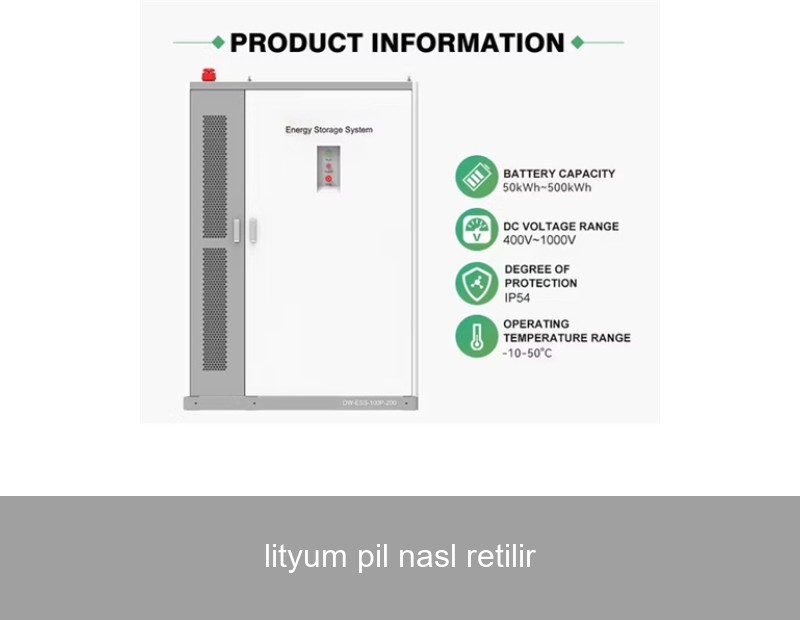
Ever wondered what powers your smartphone, electric vehicle, or even the backup system for your home? The answer, increasingly, is the lithium-ion battery. But how are lithium batteries made? This question is at the heart of the global shift towards renewable energy and electrification. Understanding the sophisticated manufacturing process reveals why these energy storage units are so effective and how companies like Highjoule leverage this technology to build smarter, safer, and more sustainable power solutions for homes and businesses worldwide.
Table of Contents
The Core Chemistry: What's Inside a Lithium Battery?
Before we explore how lithium batteries are produced, let's look at their basic components. A lithium-ion cell isn't a single object but a carefully orchestrated system:
- Cathode (Positive Electrode): Typically made from lithium metal oxides (like NMC - Lithium Nickel Manganese Cobalt Oxide). This is a key determinant of the battery's capacity and voltage.
- Anode (Negative Electrode): Usually graphite, which hosts lithium ions during charging.
- Electrolyte: A liquid or gel containing lithium salts that allows ions to move between the anode and cathode.
- Separator: A thin, porous membrane that physically separates the anode and cathode to prevent short circuits while allowing ion flow.
The magic of "lithium" lies in these ions shuttling back and forth during charge and discharge cycles. The manufacturing process is all about assembling these components with extreme precision and cleanliness.
Step-by-Step: The Lithium Battery Manufacturing Process
The creation of a reliable lithium battery is a multi-stage marvel of modern engineering. Here’s a breakdown of the key phases.
1. Electrode Production: Coating the Foundation
It starts with creating the anode and cathode. A slurry is made by mixing the active material (e.g., NMC powder for the cathode, graphite for the anode), a conductive additive, and a binder in a solvent. This slurry is then coated onto thin metal foils—copper for the anode, aluminum for the cathode—in a continuous, ultra-precise rolling process. The coated foils are then dried and calendared (pressed) to ensure optimal density and thickness.

Image: A battery electrode coating machine. (Source: U.S. Department of Energy, public domain)
2. Cell Assembly: The Heart Takes Shape
The coated foils are slit into narrower rolls and then assembled. In the common "jelly-roll" method for cylindrical or prismatic cells, the anode, separator, and cathode are layered and wound tightly together. For pouch cells, the layers are stacked. This assembly is placed inside the chosen cell housing. The environment for this step is critically controlled, often in dry rooms with extremely low humidity to prevent any moisture from reacting with the electrolyte.
3. Filling, Sealing, and Formation: Bringing the Battery to Life
The empty cell is filled with the electrolyte liquid in a vacuum environment. It is then sealed hermetically. Now comes a vital stage: formation. The cell undergoes its first charge and discharge cycles at a controlled rate. This process activates the materials, forms a stable protective layer (the SEI - Solid Electrolyte Interphase) on the anode, and weeds out any defective cells. It's essentially the "infancy" stage of the battery.
4. Aging, Testing, and Module/Pack Integration
Cells are aged for several weeks while their voltage is monitored for stability. They then undergo rigorous testing for capacity, internal resistance, and performance under various conditions. Only cells passing these stringent tests are selected for integration into larger units. Multiple cells are connected (in series and parallel) and combined with a sophisticated Battery Management System (BMS), cooling systems, and structural housing to create a complete battery module or pack.
This final integration step is where the raw technology transforms into a safe, reliable, and intelligent energy storage system. This is precisely where Highjoule's expertise shines. While we source premium, certified cells from trusted partners, our core value lies in our proprietary Neuron™ BMS and system integration. We design our commercial and residential energy storage solutions to optimize the performance and lifespan of every individual cell within the pack, ensuring safety, efficiency, and grid stability.
Where Quality and Innovation Intersect
Not all batteries are created equal. The difference between a mediocre and a superior battery system lies in the details of the manufacturing and integration process. Factors like the purity of raw materials, precision in coating uniformity, the sophistication of the formation algorithm, and the intelligence of the BMS have a direct impact on:
| Factor | Impact of High-Quality Manufacturing |
|---|---|
| Energy Density | More kWh stored in less space, crucial for residential and commercial applications. |
| Cycle Life | Thousands of charge/discharge cycles with minimal degradation, ensuring a longer system lifespan and better ROI. |
| Safety | Robust cell design, precise manufacturing, and advanced system-level controls prevent thermal runaway. |
| Efficiency | Lower internal resistance means less energy lost as heat during charging or discharging. |
At Highjoule, we build upon this high-quality foundation. Our IntelliGrid™ platform for commercial & industrial applications and HomePower+ systems for residences are more than just battery packs. They are integrated energy hubs that manage solar input, grid interaction, and load demand intelligently, maximizing the value of every kilowatt-hour stored from the meticulously manufactured lithium cells at their core.
Real-World Impact: A Case Study from California
Let's move from theory to practice. Consider the challenge faced by a mid-sized winery in Napa Valley, California. Their operations were energy-intensive, peak demand charges from the utility were crippling, and they wanted to leverage their rooftop solar more effectively. Their goal: increase energy independence and reduce operational costs.
The Solution: The winery partnered with Highjoule to deploy a 500 kWh IntelliGrid™ C&I battery storage system, integrated with their existing solar PV array. The system's advanced software, powered by the Neuron™ BMS, was programmed for peak shaving (discharging the battery during times of highest grid demand) and solar self-consumption optimization.
The Data-Driven Results (after 12 months):
- 42% Reduction in monthly peak demand charges.
- 78% Increase in on-site consumption of their solar generation.
- Projected payback period of under 5 years, thanks to California's SGIP (Self-Generation Incentive Program) and ongoing utility savings.
- The system also provided seamless backup power during two planned public safety power shutoff (PSPS) events, protecting valuable inventory.
This case exemplifies the final step in the journey of how a lithium battery is made—its deployment as part of an intelligent system solving real economic and resilience challenges. The quality of the underlying battery cells ensures reliable daily cycling, while Highjoule's system intelligence unlocks the financial and operational benefits. You can explore more about the importance of grid-scale storage in reports from authorities like the International Energy Agency (IEA).
The Future of Lithium Battery Production
The innovation in how lithium batteries are produced is far from over. The industry is rapidly evolving towards solid-state batteries (replacing liquid electrolytes with solid ones), which promise even greater safety and energy density. There's also a strong push for more sustainable and ethical sourcing of raw materials like lithium and cobalt, as noted by research from the scientific journal Nature.
Furthermore, manufacturing processes are becoming more automated and digitalized, using AI and machine learning for real-time quality control and predictive maintenance. At Highjoule, we are actively engaged in these trends, designing our systems to be future-ready and exploring partnerships for next-generation cell technologies that align with our commitment to sustainability and performance.
So, the next time you see a solar-powered home or a business running smoothly during a grid outage, you'll know there's an incredible story behind it—a story that starts with the precise science of how lithium batteries are made and culminates in smart energy management systems like those from Highjoule. Now that you understand the potential, what energy challenge could a intelligently integrated storage system solve for you?
 Inquiry
 Online Chat