


Main Solar Energy for Sale: Your Guide to Buying and Maximizing Solar Power
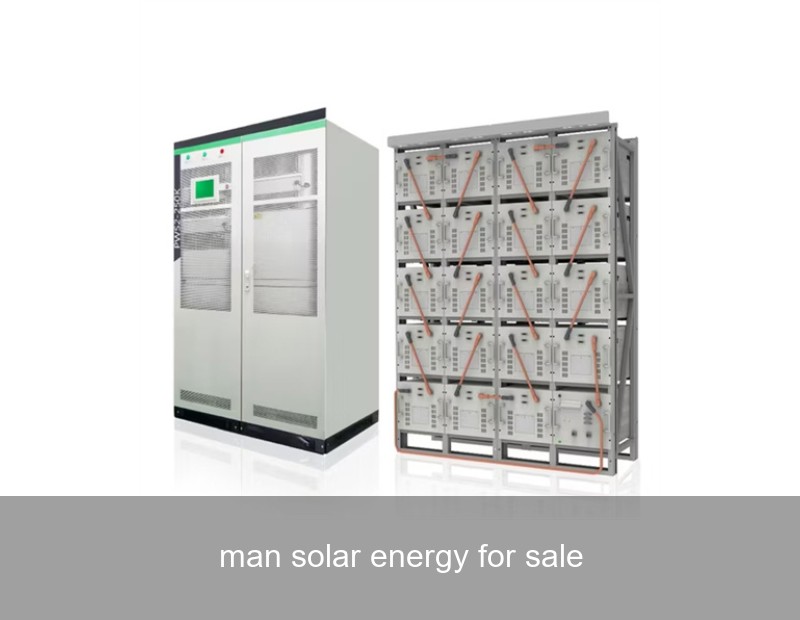
Have you ever seen a vast, quiet field of solar panels and wondered, "Who is all that main solar energy for sale actually for?" Or perhaps you're a business owner or homeowner considering a major investment and are searching for "main solar energy for sale" to understand your options. You're not alone. The concept of purchasing solar power is moving from a niche idea to a mainstream energy strategy. But what does it really mean to buy solar energy, and how can you ensure it powers your future reliably? This guide will demystify the process, explore the critical role of modern energy storage, and show you how to turn purchased sunlight into resilient, around-the-clock power.
Table of Contents
The Phenomenon: From Solar Panels to a Tradable Commodity
Gone are the days when solar energy was solely about the panels on your roof. Today, "main solar energy for sale" represents a broader, more flexible market. This can mean purchasing power from a large-scale utility solar farm through a green tariff, investing in a community solar project, or even contracting with a third-party to install and maintain a system on your property (a Power Purchase Agreement). The core phenomenon is the decoupling of solar generation from ownership. You can buy the energy without the upfront capital expense of the hardware. But this shift introduces a key challenge: alignment. The sun doesn't shine on demand, but your factory, store, or home needs power 24/7. What happens when your purchased solar energy is being produced at noon, but your peak consumption is at 6 PM?

Image Source: Unsplash - A large-scale solar farm producing "main solar energy for sale."
The Data: Why Storage is the Non-Negotiable Partner to Solar
This mismatch isn't just an inconvenience; it's an economic and grid stability issue. Let's look at the numbers. In markets like California and parts of Europe, the massive influx of solar power during midday can actually cause grid congestion and depress energy prices—sometimes even leading to negative pricing. This phenomenon, known as the "duck curve," highlights the valley of low net demand when solar is abundant.
| Challenge | Impact Without Storage | Solution With Battery Storage |
|---|---|---|
| Time-of-Day Mismatch | Buying grid power at high evening rates despite owning solar. | Store midday solar for use during peak price periods. |
| Grid Intermittency | Purchased solar power is unavailable during clouds or night. | Provides seamless backup, ensuring continuous power supply. |
| Demand Charge Management (Commercial) | High monthly fees based on short periods of peak grid usage. | Discharges battery to "shave" peak demand, slashing bills. |
| Maximizing Renewable Investment | Excess solar energy may be sold back to grid at low rates. | Captures 100% of generated energy for on-site use, maximizing ROI. |
According to the U.S. Department of Energy, coupling storage with solar is key to unlocking its full value, transforming it from an intermittent resource into a dependable, dispatchable one. This is where the conversation about buying solar energy must evolve. It's not just about procurement; it's about integration and control.
The Case Study: A U.S. Manufacturing Plant's Success Story
Let's make this tangible. Consider a mid-sized automotive parts manufacturer in Ohio. They subscribed to a local community solar farm, effectively purchasing a portion of its output as their main solar energy for sale. Their goals were clear: reduce energy costs, meet corporate sustainability targets, and hedge against volatile grid prices.
The Initial Problem: The solar farm produced most between 10 AM and 2 PM. However, the plant's energy demand peaked from 2 PM to 8 PM during second-shift machinery operation. They were still pulling expensive peak power from the grid and facing significant monthly "demand charges." Their solar purchase alone wasn't solving their cost problem.
The Integrated Solution: The plant partnered with Highjoule to deploy a 500 kW / 1,000 kWh battery energy storage system (BESS) alongside their solar subscription. Here's what happened:
- Demand Charge Reduction: The Highjoule system's intelligent software predicted the plant's load and pre-charged the batteries with lower-cost, midday grid power (supplemented by their solar credits). It then discharged during their operational peak, reducing their grid draw. Result: A 40% reduction in monthly demand charges.
- Energy Arbitrage: The system bought and stored grid energy when prices were low (often when solar generation was high across the region) and used it when prices spiked.
- Backup Power: The system provided critical backup for safety and control systems during two brief grid outages, preventing production line halts.
The Outcome: By integrating Highjoule's smart storage, the plant increased the value of their purchased solar by over 60%, achieving a return on investment (ROI) in under 5 years. The solar provided the green energy; the storage provided the financial and operational control.

Image Source: Unsplash - An engineer monitoring a battery energy storage system in an industrial setting.
The Highjoule Solution: Intelligent Storage for Purchased Solar
As a global leader in advanced energy storage since 2005, Highjoule understands that buying solar energy is just the first step. The real power lies in mastering its use. Our systems are designed specifically to bridge the gap between renewable energy generation and reliable consumption.
For businesses and communities seeking to maximize their main solar energy for sale, Highjoule offers:
- Commercial & Industrial (C&I) BESS: Scalable, containerized or modular systems that manage demand charges, provide backup power, and enable participation in grid services programs. Our AI-driven energy management system (EMS) automatically optimizes for the lowest cost and highest reliability.
- Microgrid Solutions: Whether you're integrating a solar PPA, wind, or combined heat and power (CHP), Highjoule's storage is the central nervous system of a modern microgrid. It balances supply and demand in real-time, allowing campuses, remote facilities, or entire communities to operate independently from the grid if needed.
- Residential Energy Platforms: For homeowners with solar subscriptions or rooftop arrays, our integrated home storage systems ensure no watt goes to waste, powering your home through the night and during outages.
Our technology is built on a foundation of safety, efficiency, and longevity. We use high-quality, cycle-stable battery chemistry combined with sophisticated thermal management and monitoring software. Think of a Highjoule system as the "energy bank account" for your purchased solar: it deposits excess generation and allows you to make withdrawals exactly when you need it most.
Why Highjoule's Approach is Different
Many storage providers focus only on the hardware. Highjouple focuses on the outcome. Our proprietary software platform doesn't just monitor battery health; it connects to weather forecasts, real-time grid pricing (in deregulated markets), and your facility's load patterns. It makes autonomous decisions to store or discharge energy, not just for backup, but for continuous economic optimization. This is crucial in European and U.S. markets where energy tariffs and grid structures are complex and dynamic. As noted by the International Energy Agency (IEA), smart software and system integration are as important as the storage hardware itself in delivering value.
The Future of Your Energy Independence
The landscape of "main solar energy for sale" is ripe with opportunity. But the question is no longer simply "Where can I buy solar power?" The more powerful question is, "How will I control it, maximize its value, and ensure it powers my operations no matter what?" The synergy between purchased solar and advanced storage is the definitive answer. It transforms a variable energy stream into a strategic asset for financial savings, sustainability, and resilience.
As you evaluate your options for solar procurement, we challenge you to think one step ahead: What is your plan for the energy once you've bought it? How will you ensure it's there for your critical loads during a grid outage or a price spike? The future belongs not just to those who generate clean energy, but to those who can store and manage it with intelligence.
Is your organization ready to move beyond simply buying solar and start truly commanding its power?
 Inquiry
 Online Chat