


Micro Wind Turbine Generators: A Practical Guide to Distributed Wind Power
When we think of renewable energy for our homes or businesses, solar panels are often the first image that comes to mind. But what about when the sun isn't shining? Enter the micro wind turbine generator—a compact, versatile technology capturing the kinetic energy of the wind to provide clean, local power. For property owners in windy regions of Europe and the US, these systems represent a powerful, often complementary, tool for energy independence and resilience. This guide will explore how modern micro-wind technology works, its real-world applications, and how it can integrate into a broader, smarter energy strategy.
Table of Contents
- What is a Micro Wind Turbine Generator?
- The Phenomenon: Why Distributed Wind is Gaining Traction
- Data & Performance: What Can You Realistically Expect?
- Case Study: A Real-World Application in the UK
- Integration is Key: The Role of Advanced Energy Storage
- Highjoule's Intelligent Solutions for Hybrid Renewable Systems
- Key Considerations Before You Invest
What is a Micro Wind Turbine Generator?
Typically defined as having a capacity under 100 kilowatts (kW), a micro wind turbine generator is a small-scale system designed to convert wind energy into electricity for on-site use. Unlike their utility-scale cousins seen in sprawling wind farms, these units are mounted on much shorter towers, often on residential, agricultural, commercial, or industrial properties. Modern designs focus on durability, lower noise profiles, and efficiency in turbulent, lower-altitude winds. They are a cornerstone of distributed energy resources, putting power generation directly in the hands of consumers.
The Phenomenon: Why Distributed Wind is Gaining Traction
The drive towards micro wind turbine generator adoption isn't happening in a vacuum. It's a direct response to a few converging trends: rising grid electricity costs, increased frequency of weather-related power outages, and growing individual and corporate sustainability goals. For farms, remote homes, or facilities with consistent wind patterns, these turbines offer a way to hedge against energy price volatility. The phenomenon is particularly noticeable in regions like the American Midwest, coastal Northern Europe, and the Scottish Highlands, where wind resources are abundant.
Think of it this way: solar and wind are natural partners. Solar production peaks during daylight hours, while wind patterns can be stronger at night or during stormy weather. By combining both, you create a more consistent and reliable renewable energy flow throughout the day and year.
Data & Performance: What Can You Realistically Expect?
Performance hinges on one critical factor: wind speed. It's not just about having "windy days"; it's about consistent, quality wind at the exact hub height of your turbine. According to the U.S. Department of Energy, a site with an average annual wind speed of 5 meters per second (m/s) is generally considered viable for small wind projects. However, moving from 5 m/s to 6 m/s can increase energy production by over 50%, because the energy in wind is proportional to the cube of its speed. This is why professional site assessment is non-negotiable.
| Rotor Diameter (Approx.) | Rated Power Output | Typical Annual Energy Yield (at 5 m/s avg. wind) | Potential Application |
|---|---|---|---|
| 2 - 3 meters | 1 - 5 kW | 2,000 - 10,000 kWh | Residential supplement, off-grid cabins, telecoms |
| 5 - 10 meters | 10 - 50 kW | 20,000 - 100,000+ kWh | Farms, small businesses, community projects |
It's crucial to consult verified power curves from manufacturers and cross-reference them with long-term, localized wind data—often available from national meteorological services [1].

Image Source: Wikimedia Commons. A typical small wind turbine in a rural setting.
Case Study: A Real-World Application in the UK
Let's look at a concrete example. A dairy farm in Yorkshire, England, faced high and unpredictable energy costs for milking parlors and cooling systems. In 2022, they installed a 15kW micro wind turbine generator on a 20-meter tower, situated on a consistently windy ridge on their property.
- Challenge: Reduce operational energy costs and carbon footprint.
- Solution: A single 15kW turbine with a grid-tie inverter.
- Data & Outcome: With an average site wind speed of 5.8 m/s, the system generates approximately 35,000 kWh annually. This meets over 40% of the farm's total electricity demand, reducing their grid reliance and saving an estimated £5,000 ($6,300) per year on energy bills. The system also provides a degree of backup power during grid fluctuations when paired with existing farm batteries.
This case highlights a perfect fit: an energy-intensive business in a high-wind location achieving significant savings and sustainability benefits.
Integration is Key: The Role of Advanced Energy Storage
Here's the insight that changes everything: a micro wind turbine generator alone is a productive asset, but an integrated system with intelligent storage is a transformative energy solution. Wind is variable. You might produce surplus energy during a windy night when demand is low, and produce nothing during a calm, high-demand afternoon. This is where a high-performance battery energy storage system (BESS) becomes the linchpin.
An advanced BESS does three critical things:
- Time-Shifts Energy: Stores excess wind (and solar) generation for use during periods of low generation or high utility rates.
- Stabilizes Output: Smooths out the inherent variability of wind power, providing a more consistent and grid-friendly flow of electricity.
- Ensures Resilience: Provides backup power during grid outages, keeping critical loads running.
Without storage, a significant portion of your wind turbine's potential value can literally blow away unused.
Highjoule's Intelligent Solutions for Hybrid Renewable Systems
This is precisely where Highjoule's expertise comes into play. Since 2005, we've specialized in creating intelligent, integrated storage solutions that maximize the return on investments in renewables like micro wind turbine generators. We understand that a turbine is one component of a sophisticated energy ecosystem.
For a farm, business, or residential property incorporating wind, our H-IQ Series Commercial & Industrial (C&I) Battery Systems are an ideal match. These modular, high-cycle lithium iron phosphate (LiFePO4) systems are built for the task:
- Robust Cycling: Engineered to handle frequent charge/discharge cycles from variable wind and solar input.
- Advanced Energy Management System (EMS): The true brain of the operation. Our EMS intelligently prioritizes wind energy usage, deciding in real-time whether to power loads, charge the batteries, or (where permitted) sell to the grid based on cost and need.
- Seamless Hybrid Integration: They are designed from the ground up to integrate with multiple generation sources—wind, solar, and the grid—creating a stable and optimized microgrid.
For larger microgrid or industrial applications, our Containerized Megawatt-Scale BESS provides utility-grade storage and control, capable of managing the output from multiple wind turbines and solar arrays. Our systems are deployed globally, helping clients not just generate green energy, but control it efficiently and reliably.

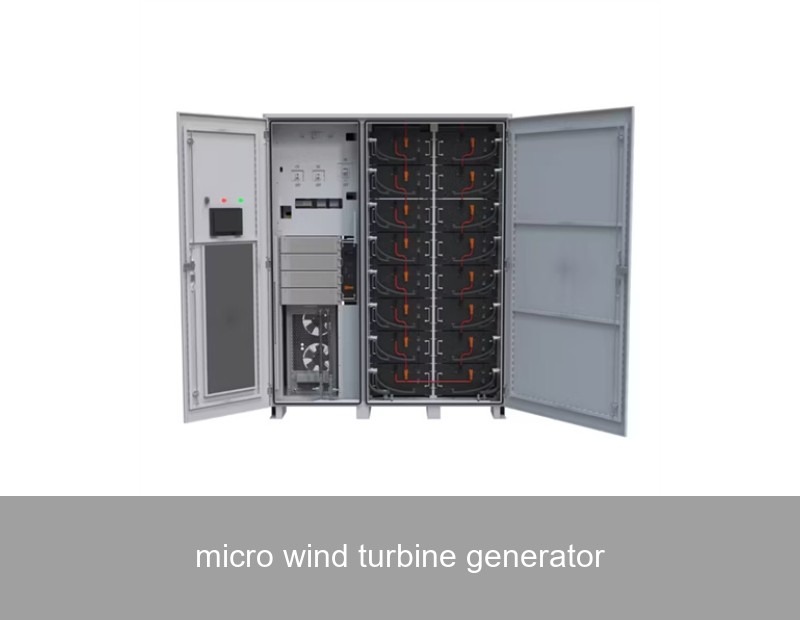
Image Source: Unsplash. Example of a modern battery energy storage system.
Key Considerations Before You Invest
Excited about the potential? Hold on—let's ground that excitement in practical due diligence. Here’s your checklist:
- Professional Site Assessment: This is step zero. Use an anemometer or, better, hire a consultant to analyze at least a year of wind data at your exact proposed tower height. The U.S. DOE's WINDExchange offers valuable tools and maps for initial screening [2].
- Zoning and Permits: Check local regulations for height restrictions, noise ordinances, and required setbacks from property lines.
- Total System Thinking: Don't buy a turbine in isolation. Plan for the balance of system: tower, inverter, wiring, and most importantly, storage. A solution like Highjoule's H-IQ BESS should be part of the initial design, not an afterthought.
- Quality and Certification: Look for turbines certified to international standards (e.g., IEC 61400, Small Wind Certification Council).
- Financials: Research federal, state, and local incentives, such as tax credits or feed-in tariffs, which can significantly improve ROI. Calculate payback period based on realistic yield, not optimistic manufacturer claims.
The Future is Integrated and Intelligent
The journey toward energy independence isn't about finding a single magic bullet. It's about smartly combining the right technologies for your specific location and needs. A micro wind turbine generator can be a powerful piece of that puzzle, especially when its output is harnessed, stored, and dispatched by an intelligent energy management platform.
What does your local wind resource look like, and how could capturing it change your energy resilience and costs when paired with the right storage technology?
 Inquiry
 Online Chat