


Microgrids and Renewable Energy: Powering a Resilient, Sustainable Future
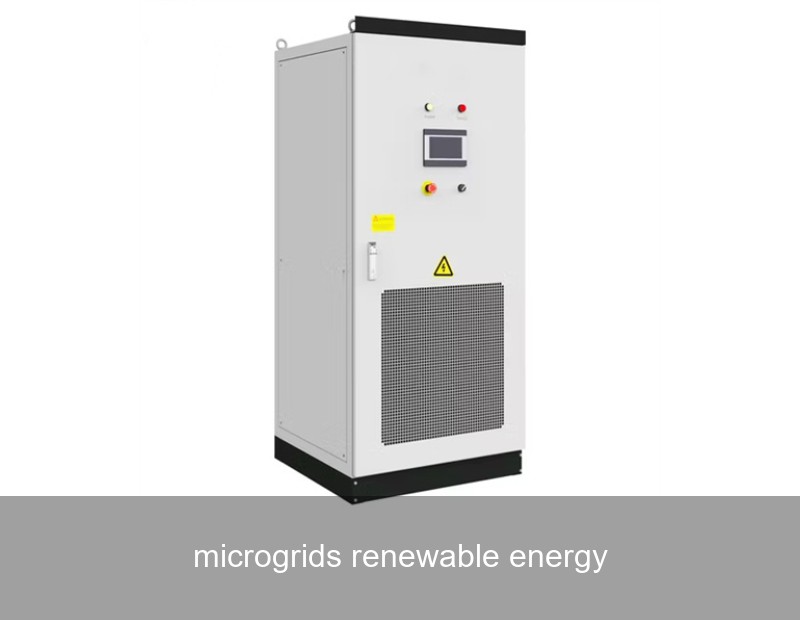
Imagine a community that keeps its lights on, its hospitals running, and its businesses open even when the main power grid fails. This isn't a scene from a futuristic film; it's the reality being built today with microgrids powered by renewable energy. As extreme weather events and grid instability become more frequent, both in Europe and the United States, the question is no longer *if* we need a more resilient energy system, but *how* we can build it. The convergence of localized microgrids and clean, decentralized renewable sources like solar and wind is providing a powerful answer. For over 18 years, Highjoule has been at the forefront of this transition, engineering intelligent battery energy storage systems (BESS) that serve as the vital heart of these modern, sustainable power networks.
Table of Contents
What Are Microgrids and Why Do They Matter Now?
A microgrid is a localized, self-contained energy system that can operate independently ("island mode") or in conjunction with the main regional power grid. Think of it as a mini-version of the national grid, serving a specific campus, factory, neighborhood, or town. Its core components are:
- Local Generation: Renewable sources like solar PV arrays or wind turbines.
- Energy Storage: Battery systems to store excess energy for later use.
- Load Management: The connected buildings and facilities consuming power.
- Intelligent Control System: The "brain" that balances supply and demand seamlessly.
The drivers for microgrid adoption are clearer than ever. In the US, the Department of Energy notes that weather-related power outages have increased roughly 67% since 2000. Similarly, Europe's push for energy security and decarbonization makes microgrids a strategic asset. They provide resilience, empower the integration of local renewables, and can significantly reduce carbon footprints and long-term energy costs.
The Indispensable Role of Renewable Energy
While microgrids can theoretically run on diesel generators, pairing them with renewables is what unlocks their true potential for sustainability and cost-effectiveness. Solar photovoltaic (PV) panels and wind turbines convert abundant natural resources into electricity right where it's needed. This decentralization reduces transmission losses and dependence on volatile fossil fuel markets.
However, here's the catch we all know: the sun doesn't always shine, and the wind doesn't always blow. This intermittency is the fundamental challenge of renewables. Without a solution, a renewable microgrid would be unreliable. This is where advanced energy storage becomes non-negotiable.

Image: Solar farms are a key generation source for modern microgrids. (Photo by American Public Power Association on Unsplash)
The Critical Challenge: Storage and Stability
Battery Energy Storage Systems (BESS) are the linchpin of a successful renewable microgrid. They don't just store excess energy; they perform several critical functions:
| Function | Description | Benefit |
|---|---|---|
| Energy Time-Shifting | Storing solar energy generated at noon for use in the evening. | Maximizes self-consumption of renewables, reduces grid draw. |
| Frequency & Voltage Regulation | Injecting or absorbing power in milliseconds to maintain grid stability. | Ensures power quality, protects sensitive equipment. |
| Black Start Capability | Restarting local generation after a complete blackout. | Enables true islanded resilience and rapid recovery. |
Not all battery systems are created equal for this demanding application. The technology, chemistry (like lithium iron phosphate - LFP for safety and longevity), system integration, and most importantly, the software intelligence are what separate a simple battery bank from a grid-forming asset.
Case Study: Island Resilience with Solar + Storage
Let's look at a real-world example that highlights the transformative power of this combination. The island of Graciosa in the Azores, Portugal, successfully integrated a large-scale microgrid to reduce its reliance on expensive and polluting diesel fuel.
- Challenge: High energy costs, dependency on imported diesel, carbon emissions.
- Solution: A hybrid microgrid combining 1 MW of solar PV, 4.5 MWh of battery storage, and existing wind & diesel.
- Outcome: The system now supplies over 65% of the island's annual electricity from renewables, with the BESS ensuring stability. It has cut diesel fuel consumption by thousands of tons per year and significantly reduced CO2 emissions. Projects like this, as analyzed by the National Renewable Energy Laboratory (NREL), provide a blueprint for island and remote communities worldwide.
This case underscores a vital insight: the success hinges not just on the solar panels or the batteries themselves, but on the sophisticated control system that orchestrates them all as a single, reliable virtual power plant.
Highjoule's Intelligent Solutions for Renewable Microgrids
This is precisely where Highjoule's expertise comes into play. Since 2005, we've moved beyond just supplying hardware to delivering comprehensive, intelligent energy resilience. Our product suite is engineered to be the core of high-performance renewable microgrids:
- H-Joule Titan BESS: Our flagship commercial & industrial storage system features industry-leading LFP battery chemistry, a modular design for scalable power (500kW - 5MW+), and advanced thermal management for safety and longevity in diverse climates from Scandinavia to Southern California.
- GridSynergy AI Controller: The true "brain" of the microgrid. This proprietary software platform uses predictive algorithms to forecast renewable generation and load demand, optimizing dispatch decisions in real-time. It ensures the most economical and resilient operation, whether connected to the grid or islanded.
- Integrated System Design & Support: We provide end-to-end services—from initial feasibility studies and system design to commissioning and long-term performance monitoring. Our experts ensure your renewable microgrid components work in perfect harmony.

Image: Intelligent control systems are crucial for microgrid management. (Photo by ThisisEngineering RAEng on Unsplash)
For a hospital, this means guaranteed backup power for critical care units. For a manufacturing plant, it means avoiding costly downtime during grid outages and hedging against peak electricity tariffs. For a community, it means cleaner air and a more secure energy future.
The Future Outlook and Your Next Step
The trend is unmistakable. Markets on both sides of the Atlantic are supporting this shift. In the US, the Inflation Reduction Act (IRA) provides significant tax incentives for standalone storage and renewable microgrids. In Europe, the REPowerEU plan aggressively accelerates the rollout of renewables and storage to enhance energy independence. The technology is proven, the economics are improving, and the need is critical.
The journey toward a resilient, renewable-powered microgrid begins with a clear understanding of your site's unique energy profile, resilience requirements, and sustainability goals. It requires a partner with deep technical expertise and a proven track record.
What is the single biggest energy resilience challenge your business or community is facing today, and how could a localized, clean energy solution address it?
 Inquiry
 Online Chat