


The Modular Power Shift: A New Industrial Philosophy
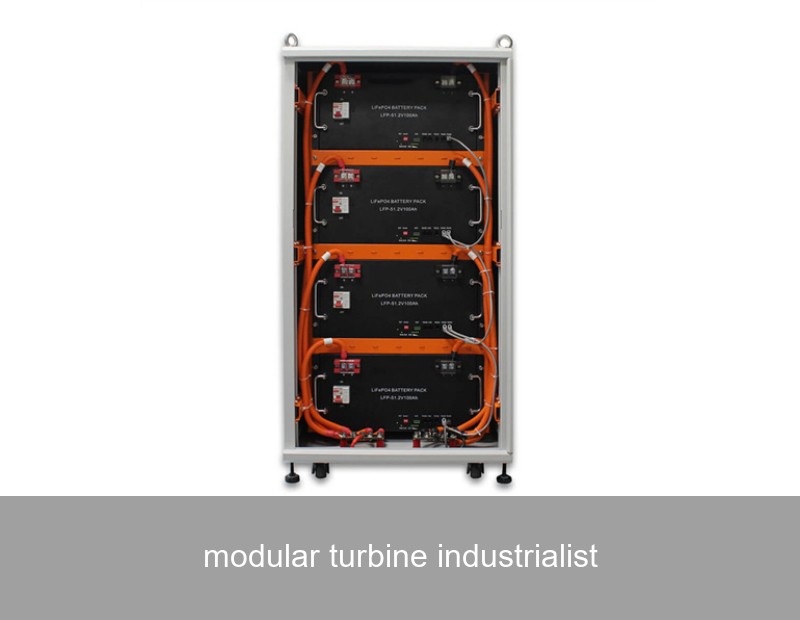
Imagine you're running a large factory. The grid power is volatile, energy costs are eating into your margins, and your sustainability goals feel like a distant dream. The traditional solution? A massive, one-size-fits-all power system—expensive, inflexible, and a nightmare to scale. Today, a smarter approach is taking over, championed by a new breed of energy-savvy leaders: the modular turbine industrialist. This isn't just about installing equipment; it's about adopting a modular philosophy for energy independence, where power generation and storage can be scaled and adapted as easily as adding another production line.
Why Modularity Wins: Flexibility, Scalability, and Cost
The core principle of modularity is simple: build a system from smaller, standardized, interconnectable units. In the energy world, this translates to unparalleled advantages for industrial operators.
- Phased Investment: Start with a core system that meets today's needs and add capacity incrementally, aligning capital expenditure with business growth.
- Operational Resilience: If one module needs maintenance, the rest of the system continues operating, minimizing downtime.
- Future-Proofing: Easily integrate new technologies (like advanced turbines or higher-density batteries) as they emerge without scrapping your entire setup.
Think of it like building with LEGO blocks. You wouldn't cast a single, immovable plastic slab for a complex model; you use interlocking bricks. The modern industrialist applies this same logic to their energy infrastructure.

Image Source: Unsplash - Representative image of modular, containerized energy systems.
Beyond Batteries: The Rise of the Modular Turbine Industrialist
When we say "modular turbine industrialist," we're talking about a holistic strategy. While modular battery energy storage systems (BESS) are crucial for load-shifting and backup, true energy independence often requires generation. This is where modular turbines—powered by renewable biogas, hydrogen-ready, or as efficient natural gas peakers—come into play.
A modular turbine industrialist doesn't rely on a single source. They intelligently combine:
| Module Type | Primary Role | Benefit |
|---|---|---|
| Modular Gas Turbines | On-demand, dispatchable generation | High efficiency, fast response, can use cleaner fuels |
| Modular BESS (Battery Storage) | Energy shifting, frequency regulation | Stabilizes the grid, stores excess renewable energy |
| Solar PV Arrays | Primary renewable generation | Reduces fuel consumption and carbon footprint |
The genius lies in the control system that orchestrates this ensemble. For example, during peak sun, solar panels power the facility and charge the batteries. When energy demand spikes or the sun sets, the system can draw from batteries or fire up a modular turbine array seamlessly. According to the U.S. Department of Energy, combined heat and power (CHP) systems using turbines can achieve total system efficiencies of over 80%, a figure far beyond traditional separate heat and power.
Case Study: Modular Power in Action at a German Manufacturing Plant
Let's look at a real-world application. A mid-sized automotive parts manufacturer in Bavaria faced rising grid costs and needed to ensure uninterrupted power for precision machinery. Their goal was 70% self-sufficiency.
The Solution (Implemented in 2022):
- A phased installation of 4 x 250 kW modular microturbines, configured for CHP.
- A 1 MWh modular battery storage system from Highjoule, comprising 10 independent 100kWh units.
- Integration with the existing rooftop solar PV (500 kW).
- Highjoule's proprietary Energy Management System (EMS) as the "brain" for optimization.
The Results (Data as of Q4 2023):
- Energy Cost Reduction: 42% decrease in purchased electricity costs.
- Resilience: The system can island from the grid, providing 48+ hours of critical load backup.
- Sustainability: Carbon emissions reduced by 580 tons annually, with turbines running on a blend of natural gas and biogas.
- Scalability: The plant has already planned the addition of two more turbine modules and battery units to support a new production hall in 2024.
This case embodies the modular turbine industrialist mindset: starting with a scalable core, integrating multiple technologies, and expanding in lockstep with business needs.
The Highjoule Approach: Intelligent Integration for the Modern Industrialist
At Highjoule, we've been pioneering intelligent, modular energy solutions since 2005. We understand that becoming a successful modular turbine industrialist requires more than just hardware—it requires seamless integration and smart control.
Our H-IQ Platform is the cornerstone of this approach. This advanced EMS doesn't just react; it predicts. Using AI-driven analytics, it forecasts energy production (from solar/wind), plant consumption, and grid pricing signals. It then makes real-time decisions: Should we store energy now, sell it back to the grid, or use it to offset turbine fuel? This maximizes ROI for every component in your modular ecosystem.

Image Source: Unsplash - Representative image of energy system monitoring and control.
Our product suite is designed for this modular age:
- Modular BESS: Our containerized and cabinet-style battery systems scale from 100 kWh to multi-MWh, featuring best-in-cell safety and lifecycle management.
- Intelligent Integration: We provide the gateway and control software to seamlessly unify third-party turbines, solar inverters, and other generation assets into a single, optimized platform.
- Microgrid Controllers: For facilities seeking ultimate independence, our controller enables true islanding and stable microgrid operation.
We partner with leading turbine manufacturers to deliver a cohesive, vendor-agnostic solution. As noted by the International Energy Agency (IEA), innovation in both battery and flexible generation technology is key to decarbonizing industry, a vision we actively enable.
The Future Landscape of Industrial Energy
The trajectory is clear. Grids are becoming more dynamic, and carbon regulations more stringent. The linear "take from the grid" model is being supplanted by the "integrated energy hub" model. The modular turbine industrialist is at the forefront of this shift, treating energy as a core, manageable component of production—just like supply chain or labor.
Looking ahead, we see modules fueled by green hydrogen, AI-driven predictive maintenance, and even peer-to-peer energy trading between neighboring industrial parks. The modular foundation makes all this possible.
So, as you evaluate your facility's energy strategy, ask yourself this: Is your current system a static cost center, or is it a dynamic, scalable asset waiting to be built? What would be the first module you would implement to start your journey toward true energy resilience and control?
 Inquiry
 Online Chat