


Mozambique Solar Companies: Powering Growth with Advanced Energy Storage
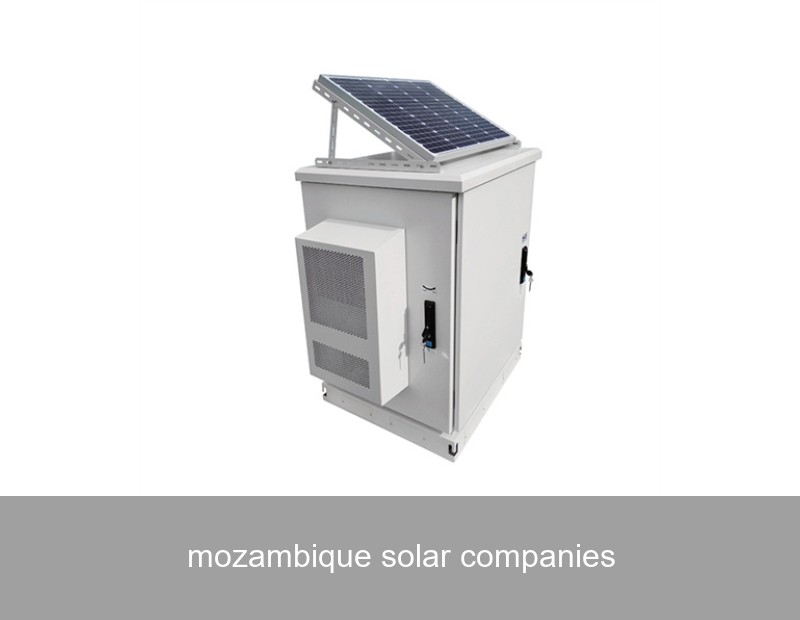
When we think of Mozambique, we think of abundant sunshine and vast potential. This potential is precisely what forward-thinking Mozambique solar companies are harnessing to drive economic development and energy access. However, the journey from capturing sunlight to delivering reliable, 24/7 power has a critical, often overlooked, component: advanced energy storage. This is where the true transformation of Mozambique's energy landscape is taking place, moving beyond simple solar panels to resilient, intelligent power systems.
Table of Contents
- The Challenge: Sunlight Isn't Constant, But Power Demand Is
- The Data: Mozambique's Energy Gap and Solar Surge
- Case Study: A Hospital's Journey to Energy Independence
- The Solution Core: Beyond the Panel - The Storage Imperative
- How Highjoule Empowers Mozambique Solar Companies
- The Future: Microgrids and Industrial Resilience
The Challenge: Sunlight Isn't Constant, But Power Demand Is
Every solar developer in Mozambique faces the same stark reality. The sun sets, clouds roll in, yet hospitals need to run ventilators, businesses need to keep lights on, and data centers cannot afford a millisecond of interruption. Intermittency is the Achilles' heel of solar power without storage. This challenge limits the value proposition of solar, often relegating it to a secondary role rather than the primary power source it can be. For Mozambique solar companies, integrating storage isn't just an add-on; it's the key to unlocking higher-value contracts, ensuring grid stability, and providing true energy security to clients.
The Data: Mozambique's Energy Gap and Solar Surge
The numbers paint a clear picture of both need and opportunity. While Mozambique has significant hydropower capacity, access to electricity stands at around 40% nationally, with rural access far lower. Concurrently, the country enjoys more than 2,800 hours of sunshine per year, making it a prime candidate for solar PV expansion. The government's Energy for All (ProEnergia) program aims for universal access by 2030, a goal heavily reliant on decentralized renewable solutions. This policy tailwind is creating a booming market for solar, but the next step in sophistication is integrating storage to ensure these new systems are robust and reliable.
According to the International Energy Agency (IEA), addressing variability is a top priority for Africa's renewable growth. This isn't just about having backup; it's about creating a predictable, dispatchable energy asset from a variable source.

Image Source: Unsplash - Representative image of solar deployment in Africa.
Case Study: A Hospital's Journey to Energy Independence in Maputo Province
Let's look at a real-world example. A 120-bed regional hospital in Maputo Province was relying on an expensive and polluting diesel generator for up to 8 hours daily during grid outages. Their new solar array, installed by a leading Mozambique solar company, cut daytime diesel use but left critical night-time operations vulnerable.
The solution was a integrated solar-plus-storage system. The company installed a 350 kW solar PV carport coupled with a 500 kWh / 250 kW battery energy storage system (BESS). Here are the results after one year:
| Metric | Before Storage | After Storage Integration |
|---|---|---|
| Diesel Consumption | 45,000 liters/year | 5,000 liters/year (89% reduction) |
| Energy Cost/kWh | $0.38 | $0.11 |
| Grid Demand Peak | 280 kW | 90 kW (reduced demand charges) |
| Backup Coverage | Daytime only | 24/7 for critical loads |
This project, funded partly by a development bank, is now a benchmark. The solar company didn't just sell panels; they delivered an uninterruptible power supply (UPS) with massive operational savings, elevating their proposal from a commodity to a strategic investment. The hospital's director noted, "We are now not just saving money; we are guaranteeing patient safety regardless of the grid's condition."
The Solution Core: Beyond the Panel - The Storage Imperative
For Mozambique solar companies to win major commercial, industrial, and utility-scale tenders, understanding storage technology is non-negotiable. The core components of a modern BESS include:
- Battery Cells (Li-ion NMC or LFP): Lithium Iron Phosphate (LFP) is increasingly favored for its safety, longer lifespan, and stability in hotter climates.
- Battery Management System (BMS): The "brain" that monitors cell voltage, temperature, and state of charge to ensure safety and longevity.
- Power Conversion System (PCS): The critical component that converts DC battery power to AC for the grid or facility, and vice versa for charging. Its speed and accuracy define system performance.
- Energy Management System (EMS): The top-level software that controls the entire system based on weather forecasts, load patterns, and tariff schedules to maximize economic return.
Choosing the right BESS partner is where the technical and commercial success of a project is determined. It requires global expertise adapted to local conditions.
Why Not All Storage is Created Equal
Many integrators source components piecemeal. This can lead to integration headaches, suboptimal performance, and fragmented warranty support. A truly reliable system requires seamless communication between all components, from the battery cells to the grid interface, designed and tested as a unified solution.
How Highjoule Empowers Mozambique Solar Companies
This is precisely where Highjoule's 18+ years of experience as a global energy storage leader becomes a force multiplier for Mozambique solar companies. We don't just supply hardware; we provide intelligent, integrated storage solutions that solve the core challenges of intermittency and reliability.
Our product suite, trusted by partners worldwide, is engineered for performance in diverse climates, including the warm, humid conditions of coastal Mozambique:
- H-Joule Cube (Commercial & Industrial): A modular, all-in-one storage solution with integrated PCS, BMS, and cooling. Its plug-and-play design allows solar installers to easily scale from 100 kWh to multi-MWh projects, reducing complexity and installation time for clients like factories, shopping malls, and agricultural processing plants.
- H-Joule Grid (Utility & Microgrid): A containerized, utility-grade BESS designed for primary grid support, frequency regulation, and large-scale renewable integration. This is the solution for solar developers bidding on mini-grid or utility-scale PV-plus-storage tenders, providing the grid-forming capabilities that modern networks require.
- Highjoule EMS Platform: The intelligent software layer that turns stored energy into a revenue-generating asset. Our EMS can be configured to perform peak shaving, time-of-use arbitrage, and backup prioritization, maximizing the ROI of every solar-storage hybrid system our partners deploy.
For a solar company in Maputo or Nampula, partnering with Highjoule means accessing world-class technology with localized engineering support. We provide comprehensive training, detailed system design assistance, and a single point of warranty responsibility, enabling our partners to confidently offer cutting-edge, bankable energy solutions.

Image Source: Unsplash - Representative image of a containerized battery storage system.
The Future: Microgrids and Industrial Resilience
The trajectory is clear. The future for Mozambique solar companies lies in building resilient energy ecosystems. Think beyond single buildings to entire industrial parks or remote communities powered by solar microgrids anchored by robust storage. The World Bank estimates that mini-grids are the most cost-effective solution for connecting over half of the unpowered population in Africa.
With natural gas developments and a growing industrial base, Mozambique also has a pressing need for high-quality power. A voltage dip can ruin a batch of products in a factory. Highjoule's systems provide sub-cycle response, offering seamless backup and power quality correction that diesel generators simply cannot match, protecting our partners' clients from costly disruptions.
An Open Question for Forward-Thinking Developers
As you plan your next major solar project in Mozambique, ask yourself this: Is your proposal merely reducing your client's electricity bill, or is it transforming their operations into a model of resilience, sustainability, and modern energy management? The difference between the two answers is often a well-integrated, intelligently managed battery storage system.
What kind of high-value, energy-intensive client in your portfolio could become your flagship case study for solar-plus-storage success?
 Inquiry
 Online Chat