


Ecolt Energy Storage Solutions: Powering a Sustainable and Resilient Future
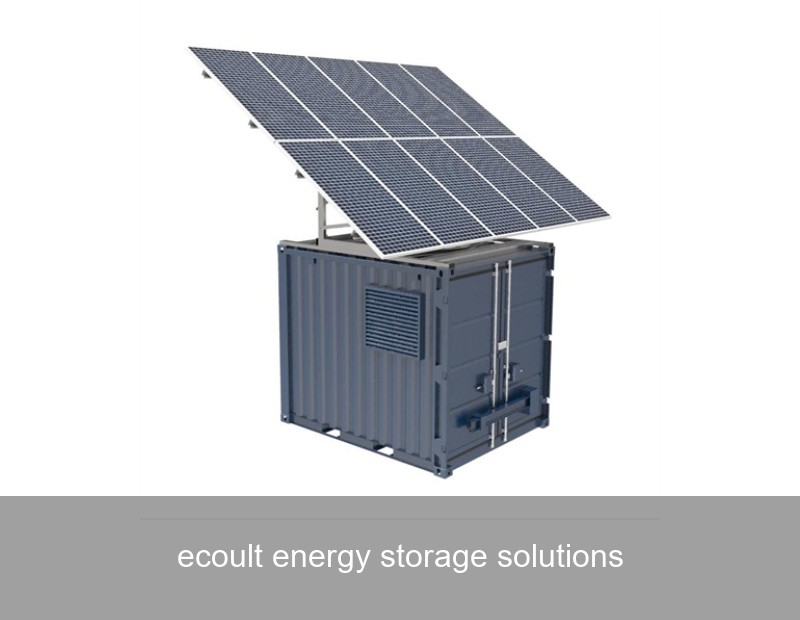
Have you ever wondered how we can truly harness the power of the sun and wind, even when the sun sets or the wind stops blowing? The answer lies at the heart of the modern energy transition: advanced Ecolt energy storage solutions. These systems are more than just batteries; they are the intelligent keystone that unlocks the full potential of renewable energy, stabilizes our grids, and empowers businesses and homeowners to take control of their energy destiny. As volatility in energy prices and the urgency of climate action intensify globally, understanding and implementing these solutions has never been more critical.
Table of Contents
The Challenge: Intermittency and Grid Strain
Let's face it, renewable energy has a scheduling problem. Solar panels are most productive at midday, often a period of lower demand in some regions, while energy demand typically peaks in the early evening. This mismatch creates a dual challenge: valuable clean energy can go to waste, and grid operators must rely on fossil-fuel-powered "peaker plants" to meet sudden surges in demand. This isn't just inefficient; it's costly and counterproductive to decarbonization goals. The grid itself, built for a one-way flow of electricity, is struggling under the strain of millions of distributed energy sources.

Image Source: Unsplash - Visualizing the renewable energy intermittency challenge.
The Data: Why Storage is No Longer Optional
The numbers paint a clear picture of both the need and the explosive growth of energy storage. According to the U.S. Energy Information Administration (EIA), U.S. battery storage capacity is expected to nearly double in 2024 alone. In Europe, the European Association for Storage of Energy (EASE) estimates that to meet its 2030 climate targets, the EU needs a staggering 200 GW of energy storage, up from around 60 GW today. This isn't just about capacity; it's about economics. Effective Ecolt energy storage solutions can shift energy from cheap periods to expensive peak times, creating significant savings. For instance, the price difference between peak and off-peak electricity in markets like California or Germany can regularly exceed 50%, turning storage into a powerful financial asset.
Case Study: A German Industrial Park's Transformation
Let's make this concrete with a real-world example. A mid-sized manufacturing park in Bavaria, Germany, faced two major issues: skyrocketing electricity costs due to peak demand charges and an ambitious corporate sustainability target to reach 80% renewable consumption. Their existing 1 MW rooftop solar array was covering only about 30% of their daytime load, and most of its excess noon-time generation was being sold back to the grid at a low feed-in tariff.
They implemented a comprehensive Ecolt energy storage solution centered on a 1.2 MWh battery energy storage system (BESS) paired with advanced energy management software. Here's what happened:
- Peak Shaving: The system automatically discharges during the park's 2-hour daily peak window, reducing demand charges by over 40%.
- Solar Self-Consumption: Excess solar energy is now stored and used in the late afternoon and evening, boosting their direct renewable consumption from 30% to over 75%.
- Grid Services: During weekends, the system participates in the German primary control reserve market, generating an additional revenue stream.
- ROI: The project achieved a simple payback period of just under 5 years, with a 20-year+ system lifespan.
This case exemplifies the multi-faceted value proposition of modern storage: it's a cost-saver, a sustainability enabler, and a potential revenue generator all in one.
The Solution: What Makes a Modern Energy Storage System?
Not all storage is created equal. A true, advanced Ecolt energy storage solution is an integrated ecosystem of hardware and intelligence. It typically includes:
- Battery Cells & Modules: Often lithium-ion (LFP chemistry is increasingly popular for its safety and longevity), these are the fundamental energy storage units.
- Battery Management System (BMS): The "brain" of the battery pack, ensuring safety, monitoring cell health, and preventing overcharge or deep discharge.
- Power Conversion System (PCS): The critical component that converts DC electricity from the batteries to AC electricity for the building or grid, and vice-versa. Its speed and accuracy are vital for grid services.
- Energy Management System (EMS): The top-level intelligence. This software platform uses algorithms and sometimes AI to decide when to charge, discharge, or hold based on weather forecasts, energy prices, load patterns, and grid signals.
| Component | Primary Function | Why It Matters |
|---|---|---|
| Battery (LFP) | Stores electrical energy chemically | High safety, long cycle life (6000+ cycles), stable performance. |
| Power Conversion System (PCS) | Converts DC to AC and controls power flow | Determines response time and efficiency of the entire system. |
| Energy Management System (EMS) | Makes intelligent operating decisions | Maximizes financial return and optimizes for multiple objectives (savings, sustainability, grid support). |
Highjoule's Role: Intelligent Systems for Real-World Needs
This is where Highjoule's nearly two decades of expertise comes into play. Since 2005, we've moved beyond simply supplying hardware to delivering integrated, intelligent power solutions. Our approach is to understand the specific pain points—be it demand charge reduction, renewable integration, or backup power—and design a system that solves them with maximum efficiency and ROI.
Our flagship product line, the Highjoule H-Series, embodies this philosophy. These containerized or skid-mounted BESS units are pre-engineered and factory-integrated, featuring:
- Our proprietary Adaptive EMS Platform that learns load patterns and dynamically optimizes dispatch.
- Industry-leading LFP battery modules with a 10-year performance warranty.
- A modular design that allows for scalable capacity from 100 kWh to multi-MWh installations.
- Seamless integration with existing solar PV, generators, and grid connections.

Image Source: Unsplash - A modern, containerized BESS unit like Highjoule's H-Series.
For commercial and industrial clients, our services extend to comprehensive Energy-as-a-Service (EaaS) models. We can finance, install, own, and operate the storage system on your behalf, while you simply pay for the energy savings with no upfront capital. This model is rapidly gaining traction in markets like the UK and California, removing the final barrier to adoption.
Looking Ahead: The Future of Energy Storage
The evolution of Ecolt energy storage solutions is accelerating. We're looking at trends like second-life EV batteries finding new purpose in stationary storage, the exploration of alternative chemistries like sodium-ion for lower-cost applications, and the rise of virtual power plants (VPPs). A VPP aggregates hundreds or thousands of distributed storage systems (like those from Highjoule) to act as a single, dispatchable power plant, providing critical grid stability services. This turns every installed system into a participant in a cleaner, more resilient energy network.
The journey from a centralized, fossil-fuel grid to a decentralized, renewable-powered one is complex. But one thing is certain: intelligent energy storage is the indispensable enabler. It's the technology that allows us to not just generate clean energy, but to use it wisely, efficiently, and on our own terms.
Is your business or community ready to assess how a tailored energy storage strategy could reduce your costs, secure your power supply, and accelerate your sustainability goals? What's the single biggest energy challenge you're facing that storage might solve?
 Inquiry
 Online Chat