


Maximize Your Solar Power: The Complete Guide to MPP Solar Hybrid Battery Systems
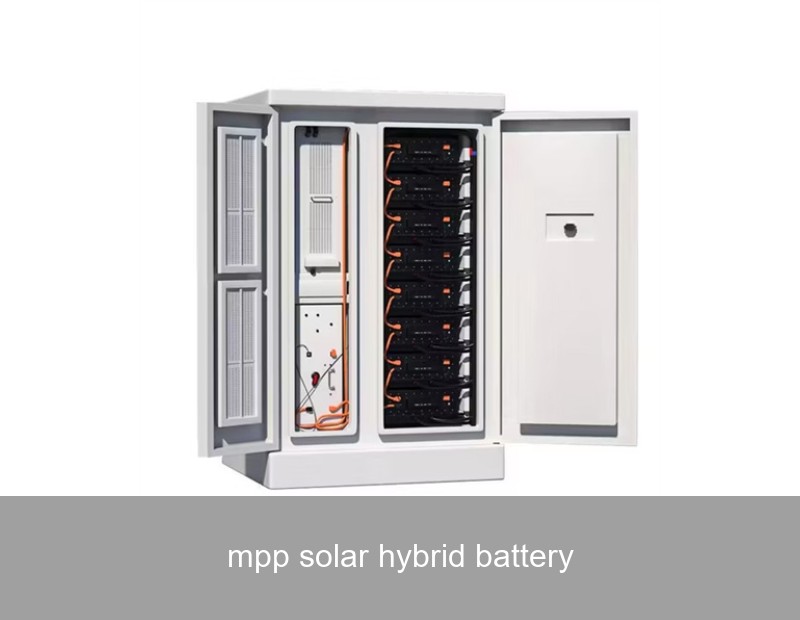
Have you ever looked at your solar panels on a cloudy day and wished you could squeeze every last watt of energy from them? Or wondered how to keep the lights on during a power outage while still slashing your electricity bill? You're not alone. This quest for energy independence and efficiency is driving a quiet revolution in renewable technology. The answer lies in a sophisticated yet increasingly accessible solution: the MPP solar hybrid battery system. By intelligently combining maximum power point tracking (MPPT) solar charging with versatile battery storage and grid interaction, these systems represent the next evolution in personal and commercial energy management.

Image Source: Unsplash - A modern home integrating solar and storage.
What is an MPP Solar Hybrid Battery System?
Let's break down this technical-sounding term. An MPP solar hybrid battery system is an all-in-one energy solution that performs three critical functions:
- Maximum Power Point Tracking (MPPT): This is the brain of the solar charging process. An MPPT charge controller constantly adjusts the electrical operating point of your solar panels to ensure they are always producing the maximum possible power, regardless of shading, temperature changes, or panel aging. Without it, you could be losing up to 30% of your potential solar harvest.
- Hybrid Inverter Function: This device is the heart of the system. It's called "hybrid" because it can manage multiple energy sources simultaneously. It converts the DC power from your solar panels and batteries into usable AC power for your home. Crucially, it can also seamlessly switch between solar, battery, and grid power.
- Intelligent Battery Storage: High-capacity lithium-ion batteries (like LiFePO4) store the excess solar energy you don't use immediately. This stored energy becomes your personal reserve for nighttime use, peak grid rate periods, or emergencies.
Companies like Highjoule have refined this integration. Since 2005, Highjoule has specialized in creating smart, efficient storage solutions that make this technology reliable for everyday use. Their systems, such as the Highjoule H-Series Hybrid Energy Hub, embed advanced MPPT controllers and learning algorithms that not only maximize solar yield but also optimize battery lifespan and system economics based on your unique consumption patterns.
How MPPT and Hybrid Tech Work in Harmony
Think of your solar panels as a car engine. An MPPT controller is like a continuously variable transmission, always finding the perfect gear (voltage and current) to get the most horsepower (watts) from the engine as conditions change. Now, pair that with a hybrid inverter acting as a skilled conductor and a battery as your orchestra's reserve musicians.
Here’s a typical day in the life of your system:
- Sunny Day, Low Demand (e.g., midday): Solar panels produce maximum power via MPPT. The hybrid inverter powers your home and directs all excess energy to charge the battery. Once full, surplus can even be exported to the grid if permitted.
- Evening Peak Demand: As the sun sets and your household energy use spikes, the system draws power from the charged battery, minimizing reliance on expensive grid power.
- Grid Outage: The hybrid inverter instantly detects the failure and isolates your home from the grid (forming a "microgrid"). It then continues to power critical loads from the solar panels and battery, often in under 20 milliseconds—so fast your computers won't even reboot.
| Time of Day | Primary Energy Source | Battery Action | Grid Interaction |
|---|---|---|---|
| 6 AM - 9 AM | Solar + Battery | Discharging | Minimal Import |
| 10 AM - 4 PM | Solar | Charging | Possible Export |
| 5 PM - 10 PM | Battery | Discharging | Potential Import |
| Night / Outage | Battery | Discharging | Zero (Off-Grid) |
Key Benefits for Homeowners and Businesses
Why is this technology becoming a standard for new solar installations, especially in markets like California, Germany, and Italy with high electricity costs and ambitious decarbonization goals?
- Unmatched Energy Independence: Reduce your grid dependence by 70-90%, depending on your system sizing and location. You become a proactive energy manager, not just a consumer.
- Substantial Bill Savings: Leverage "peak shaving." Use your stored solar energy during expensive peak-rate hours (often 4-9 pm). In many regions, solar-plus-storage can maximize savings beyond solar alone.
- Reliable Backup Power: No more spoiled food or dark nights during storms. A properly sized system can power essential circuits for hours or even days.
- Future-Proofing & Grid Support: Advanced systems, including those from Highjoule, offer grid-support functions like frequency regulation. This means your home system can contribute to overall grid stability, a concept gaining traction with utility companies.
A Real-World Case: The German Farmhouse Project
Let's move from theory to hard data. Consider a case study from Bavaria, Germany—a region with moderate solar irradiation but high electricity prices (~€0.35/kWh).
The Challenge: A 200-year-old farmhouse, modernized as a family home and small agricultural business, faced erratic power outages and sought to eliminate its €4,800 annual electricity bill. Their existing 8 kW solar array was sending over 60% of its summer production to the grid for a low feed-in tariff.
The Solution: Installation of a Highjoule H-Series 10 kWh hybrid system with dual MPPT trackers and intelligent energy management software. The system was configured for self-consumption optimization and backup power for the farm's cold storage and critical home circuits.
The Results (12-month period):
- Grid Import Reduction: 92% (from 12,500 kWh to ~1,000 kWh)
- Self-Consumption of Solar: Increased from 38% to 89%
- Annual Energy Cost: Reduced to ~€420 (primarily winter grid fees)
- ROI Period: Estimated at 6.5 years, factoring in German subsidy programs.
- Backup Events: System provided seamless backup during 3 grid outages, totaling 14 hours.
This case exemplifies the tangible impact. The MPPT technology ensured maximum harvest from the existing roof space, while the hybrid intelligence decided the most economical split between immediate use, storage, and grid export every second of the day. Data from the International Energy Agency (IEA) underscores the global trend driving such adoption: solar PV is now the lowest-cost electricity in history, and pairing it with storage unlocks its full value.

Image Source: Unsplash - Data visualization of energy production and consumption.
Choosing the Right System for Your Needs
Not all MPP solar hybrid battery systems are created equal. When evaluating options, ask these critical questions:
- MPPT Efficiency & Channels: Look for efficiency ratings above 98%. Multiple MPPT channels are advantageous if your panels face different directions or experience partial shading.
- Battery Chemistry & Warranty: Lithium Iron Phosphate (LiFePO4) is the industry standard for safety and longevity. Highjoule, for instance, provides a 10-year warranty on its battery modules, guaranteeing a high residual capacity after thousands of cycles.
- Scalability: Can you easily add more battery modules later? A modular design allows you to start with what you need and expand as your budget or an electric vehicle increases your demand.
- Software & Monitoring: The software is the true differentiator. Can it learn your habits? Can it integrate with time-of-use rate schedules or future vehicle-to-grid (V2G) applications? Highjoule's EnergyOS platform offers this level of predictive management.
- Professional Installation & Support: This is a complex system. Ensure your provider has certified installers and robust local or regional technical support. Highjoule's network of certified partners across Europe and North America ensures system design, installation, and service meet the highest standards.
The Future of Your Energy Independence
The conversation around energy has shifted from mere consumption to resilience, intelligence, and sustainability. An MPP solar hybrid battery system is more than an appliance; it's the cornerstone of a modern, resilient home or business. It empowers you to take control, save meaningfully, and contribute to a more stable grid. The technology is proven, the economics are increasingly favorable, and the peace of mind is invaluable.
What will your first step be towards true energy independence—understanding your consumption pattern, exploring local incentives, or speaking with a qualified system designer about your specific needs?
 Inquiry
 Online Chat