


Unlocking Energy Independence: A Deep Dive into Lux Power Hybrid Battery Systems
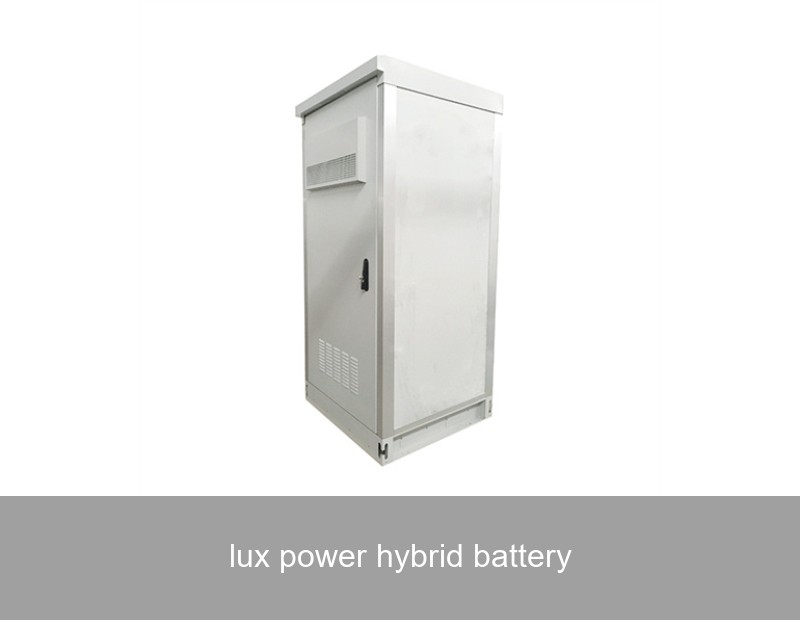
For homeowners and businesses across Europe and the US, the dream of energy independence is becoming increasingly tangible. Rising electricity costs, grid instability, and a growing environmental consciousness are driving a surge in renewable energy adoption. At the heart of this transition lies a critical piece of technology: the Lux Power hybrid battery system. But what exactly is it, and how does it transform the way we power our lives? In essence, a Lux Power hybrid battery system intelligently manages energy from solar panels, the grid, and its own storage to provide reliable, clean, and cost-effective power. As a global leader in advanced energy storage since 2005, Highjoule has witnessed firsthand how sophisticated systems like these are reshaping our energy landscape, moving us towards a more sustainable and resilient future.
Table of Contents
- What is a Lux Power Hybrid Battery System?
- How Does a Hybrid System Work? The Magic Behind the Meter
- Key Benefits: Beyond Just Backup Power
- A Real-World Case Study: The Smith Family Home in California
- Choosing the Right System: Integration is Key
- The Future of Home Energy: Smarter, More Integrated Grids
What is a Lux Power Hybrid Battery System?
Let's break it down. Unlike a simple battery backup or an off-grid system, a hybrid battery system is, well, a hybrid. It seamlessly combines multiple energy sources. Typically, it integrates with your existing or new solar photovoltaic (PV) panels, connects to the main electrical grid, and features a sizeable battery storage unit—like those in the Lux Power ecosystem. The "brain" of this operation is a hybrid inverter, which constantly makes intelligent decisions: should it power the house with solar energy directly, store excess solar energy in the battery, draw from the battery during peak grid rates, or pull from the grid when necessary?
Think of it as a sophisticated home energy manager. Its primary goal is to maximize your use of free, clean solar energy, shield you from high utility rates, and provide peace of mind during outages. For companies like Highjoule, providing smart, efficient, and sustainable power solutions means ensuring these systems are not just hardware, but integrated platforms that empower users.
The Core Components
- Hybrid Inverter: The system's command center. It converts DC power from solar panels and batteries to AC power for your home and manages the flow of all energy sources.
- Lithium-Ion Battery Bank: The energy reservoir. High-capacity batteries, such as those using Lithium Iron Phosphate (LFP) chemistry, store excess solar energy for later use.
- Solar PV Array: The primary fuel source, generating renewable electricity from sunlight.
- Energy Management System (EMS): The intelligent software that learns your consumption patterns and optimizes for cost or self-sufficiency.
How Does a Hybrid System Work? The Magic Behind the Meter
The real genius of a Lux Power hybrid battery system is its dynamic operation. It adapts to conditions in real-time. Here’s a typical day-in-the-life:
- Sunny Day, Low Demand: Your solar panels produce more power than your home needs. The excess energy, instead of being sold back to the grid at a low rate, is directed to charge your battery bank. Your home runs on 100% solar.
- Evening Peak: The sun sets, but electricity demand spikes as lights, appliances, and HVAC systems turn on. The system switches to draw power from the now-full batteries, avoiding expensive peak-time grid electricity. This is called "peak shaving."
- Grid Outage: The power goes out. Traditional grid-tied solar systems shut down for safety. A hybrid system, however, instantly disconnects from the grid (islanding) and continues to power critical loads from the battery and solar panels, keeping your lights on.
- Cloudy Day: Solar production is low. The system prioritizes using the battery's stored energy first. Only when the battery is depleted does it draw a minimal amount from the grid.

Image Source: Unsplash - Representative image of a modern energy-independent home.
Key Benefits: Beyond Just Backup Power
While backup power is a huge draw, the financial and environmental benefits are often the main drivers for adoption.
| Benefit | Explanation | Impact |
|---|---|---|
| Maximized Self-Consumption | Use your own solar energy day and night, reducing grid reliance. | Can increase solar energy usage from ~30% to 70%+. |
| Bill Savings & Peak Shaving | Avoid drawing grid power during expensive peak-rate periods. | Potential to reduce electricity bills by 50-90%, depending on location and rates. |
| Enhanced Resilience | Provides seamless backup power during grid failures. | Protects against food spoilage, work disruption, and safety issues. |
| Grid Support & Sustainability | Reduces strain on the grid and lowers your carbon footprint. | Contributes to community-wide grid stability and environmental goals. |
Implementing such a system requires not just quality components, but expert design and integration. This is where Highjoule's expertise shines. Our approach involves a thorough site assessment, custom system design that matches Lux Power hybrid battery capacity to specific energy profiles, and professional installation with ongoing monitoring. We ensure the system works harmoniously as one intelligent unit, not just a collection of parts.
A Real-World Case Study: The Smith Family Home in California
Let's look at concrete data from a typical high-cost electricity market. The Smith family in Sacramento, California, installed a 8kW solar array with a 13.5kWh Lux Power hybrid battery system in early 2022, designed and installed by a Highjoule-certified partner.
The Phenomenon: High PG&E electricity rates, frequent Public Safety Power Shutoffs (PSPS) due to wildfire risk, and a desire to go green.
The Data (Pre vs. Post-Installation, 12-month period):
- Average Monthly Bill: Reduced from $220 to ~$15 (the basic service charge).
- Grid Import Reduction: Decreased by 92%.
- Self-Consumption of Solar: Increased from an estimated 35% to 88%.
- Outage Protection: Experienced 5 grid outages totaling 42 hours. The home maintained power seamlessly in each instance.
The Insight: For the Smiths, the system paid for itself in under 7 years through pure savings, not even accounting for the intangible value of reliability. Their case, mirrored by many in Europe facing similar high tariffs, illustrates that a hybrid battery system is both a financial asset and a risk-mitigation tool. It turns a home into a personal power plant, a concept central to Highjoule's vision for decentralized energy.
Choosing the Right System: Integration is Key
Selecting a Lux Power hybrid battery isn't just about picking the biggest battery. It's about system synergy. Key considerations include:
- Energy Audit: Understanding your daily and seasonal consumption patterns is crucial.
- Battery Chemistry & Lifecycle: LFP batteries, commonly used in these systems, offer longer lifespans and superior safety compared to older chemistries. They typically come with warranties of 10 years or 6,000+ cycles.
- Scalability: Can you add more battery modules later if your needs change (e.g., buying an EV)?
- Software & Monitoring: User-friendly apps that show real-time energy flows, savings, and system health are essential for engagement and troubleshooting.
Highjoule's smart energy solutions are built with this holistic view. Our systems are designed for scalability and feature advanced monitoring platforms that give users and our technicians deep insights into performance, ensuring the Lux Power hybrid battery investment delivers its promised value for decades.

Image Source: Unsplash - Representative image of a home energy monitoring interface.
The Future of Home Energy: Smarter, More Integrated Grids
The evolution of the Lux Power hybrid battery system is heading towards even greater grid interaction. Concepts like Virtual Power Plants (VPPs), where thousands of distributed home batteries are aggregated to support the grid during demand spikes, are already being piloted in the US and Europe (U.S. Department of Energy). This could allow homeowners to earn additional revenue by "renting" their battery's capacity to the utility.
Furthermore, integration with electric vehicle (EV) charging is the next frontier, turning your EV into a mobile battery that can power your home (vehicle-to-home or V2H) (International Energy Agency). The line between energy storage, transportation, and home power is blurring, and hybrid systems are the foundational platform for this convergence.
Highjoule's Role in This Future
As an innovator since 2005, Highjoule is actively developing solutions that prepare our customers for this interactive energy future. Our systems are designed with the communication protocols and software readiness to participate in grid services programs, ensuring our customers' investments are future-proofed.
So, as you consider taking control of your energy costs and resilience, ask yourself: Is your current home energy system a collection of disconnected appliances, or is it an intelligent, integrated ecosystem ready for the next 20 years? The data from homes like the Smiths' suggests the answer is clear. What would your energy profile look like with a system that works intelligently around the clock for you?
 Inquiry
 Online Chat