


Next-Gen Solar Energy Solutions: Powering Autonomy and Intelligence
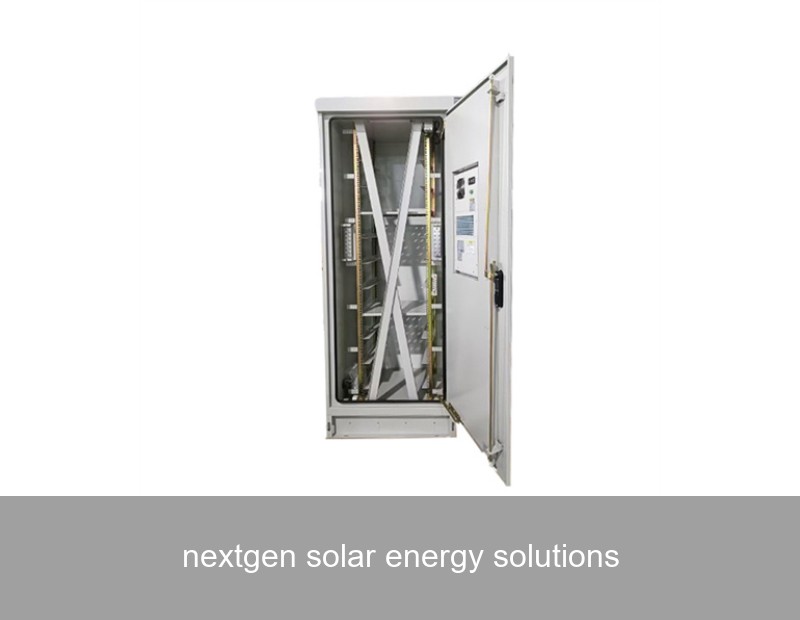
For decades, the story of solar power was simple: install panels, generate clean electricity when the sun shines, and rely on the grid the rest of the time. But as energy prices fluctuate and climate goals tighten, a more sophisticated narrative is emerging. Today, next-generation solar energy solutions are not just about generation; they are about intelligent, resilient, and self-sustaining energy ecosystems. This evolution moves us from simply harvesting sunlight to mastering its use, 24/7.

Image: A modern solar installation symbolizing integrated energy solutions. Source: Unsplash
Beyond Panels: What Defines Next-Gen Solar Energy Solutions?
So, what separates a next-gen system from a traditional solar array? It's the integration of key components into a cohesive, smart system:
- High-Efficiency, Durable Photovoltaics (PV): Utilizing advanced cell technologies like bifacial panels or heterojunction cells that capture more light from various angles and in diffuse conditions.
- Advanced Battery Energy Storage Systems (BESS): The heart of energy independence. This isn't just a backup battery; it's a dynamic reservoir that stores excess solar energy for use at night, during peak pricing, or grid outages.
- AI-Powered Energy Management Software: The "brain" of the operation. This software forecasts energy production and consumption, autonomously deciding when to store, use, or even sell energy back to the grid for maximum economic and operational benefit.
- Grid-Interactive Functionality: Systems that can provide grid services, like frequency regulation, helping to stabilize the community grid while creating revenue streams.
This holistic approach transforms a solar installation from a one-trick component into the cornerstone of a site's entire energy strategy.
The Challenge: Intermittency and the Grid
The fundamental phenomenon is clear: the sun is not a constant provider. This intermittency creates a mismatch between solar production peaks (midday) and energy consumption peaks (evening). Without a solution, this leads to:
- Wasted solar energy exported to the grid at low value.
- Continued reliance on fossil-fuel peaker plants during high-demand periods.
- Missed opportunities for businesses to lock in long-term energy costs.
The data underscores the urgency. The International Energy Agency (IEA) reports that global renewable capacity must triple by 2030 to meet climate targets. Crucially, they note that the effective integration of this capacity hinges on storage and digitalization. In the U.S., the Solar Energy Industries Association (SEIA) finds that while solar continues record growth, the pairing of storage with solar is accelerating even faster, becoming a standard for commercial projects.
The Intelligent Core: AI and Smart Energy Management
This is where intelligence becomes paramount. Next-gen solutions use software to solve the intermittency puzzle. Imagine a system that learns your facility's patterns, ingests weather forecasts, and knows the real-time price of electricity. It can then:
| Situation | Traditional Solar Response | Next-Gen AI Response |
|---|---|---|
| Sunny afternoon, low on-site demand | Excess power sent to grid | Charge battery for evening peak; sell small portion if grid prices are high. |
| Cloudy day, high energy prices | Draw expensive power from grid | Discharge stored battery power to avoid peak charges. |
| Grid outage announced | System shuts down (unless has basic backup) | Islanding mode activates; solar + battery power critical loads seamlessly. |
This dynamic optimization, often called "energy arbitrage," is the key to unlocking the full financial and resiliency potential of your solar investment.
Case Study: A German Manufacturing Plant's Journey to Energy Autonomy
Let's look at a real-world application. A mid-sized automotive parts manufacturer in Bavaria, Germany, faced volatile energy costs and stringent corporate sustainability mandates. Their goal: reduce grid dependence, secure energy costs, and ensure production continuity.
The Solution: A fully integrated next-gen solar energy system was deployed:
- A 1.2 MW rooftop solar array.
- A 2.4 MWh containerized battery storage system.
- A proprietary AI-driven energy management platform.
The Data-Driven Results (after 12 months):
- Grid Independence: Achieved 84% self-consumption of solar energy (vs. ~30-40% typical for solar-only).
- Cost Savings: Reduced energy costs by 68% annually, with a projected ROI of under 5 years.
- Resilience: The facility can operate critical production lines for over 6 hours during a grid outage.
- Sustainability: Carbon footprint from electricity reduced by 92%.
This case, documented in part by the Fraunhofer Institute for Solar Energy Systems, illustrates the transformative power of moving beyond generation to a managed, storage-integrated solution.
Highjoule's Role in Powering the Next Generation
At Highjoule, we've been at the forefront of this evolution since 2005. We understand that a next-gen solution is only as strong as its weakest link. That's why we engineer fully integrated systems where every component is optimized to work in concert.
Our HPS Series commercial battery storage systems are built with industry-leading lithium-iron-phosphate (LFP) cells for safety and longevity. They seamlessly couple with solar inverters and are governed by our JouleMind AI platform. JouleMind doesn't just monitor; it actively learns and controls, making thousands of micro-decisions daily to maximize your financial return and energy security.
For industrial and microgrid applications, our GridSynch technology allows our systems to safely island from the main grid and provide stable, clean power to a local network. Whether it's for a large warehouse in Texas seeking demand charge reduction, a residential community in Spain aiming for collective self-consumption, or a remote microgrid in Scandinavia, Highjoule provides the intelligent hardware and software backbone.

Image: Advanced control systems are key to managing next-gen energy solutions. Source: Unsplash
The Future Horizon: What's Next for Solar?
The trajectory is clear. The future is not just "solar," but "smart solar ecosystems." We're moving towards energy networks where buildings with next-gen systems communicate with each other and the grid, forming virtual power plants. Innovations like vehicle-to-grid (V2G) integration will see electric vehicles become mobile storage units. The lines between producer and consumer will continue to blur.
This raises a pivotal question for any business or community leader: Is your current energy strategy designed for the past decade of solar, or is it equipped for the intelligent, resilient, and economically optimized energy landscape of the next decade? The opportunity to take control is shining brighter than ever.
What is the first step your organization could take to move from passive consumption to active energy management?
 Inquiry
 Online Chat