


Off-Grid Inverter Without Batteries: Powering Independence with Smart Solar
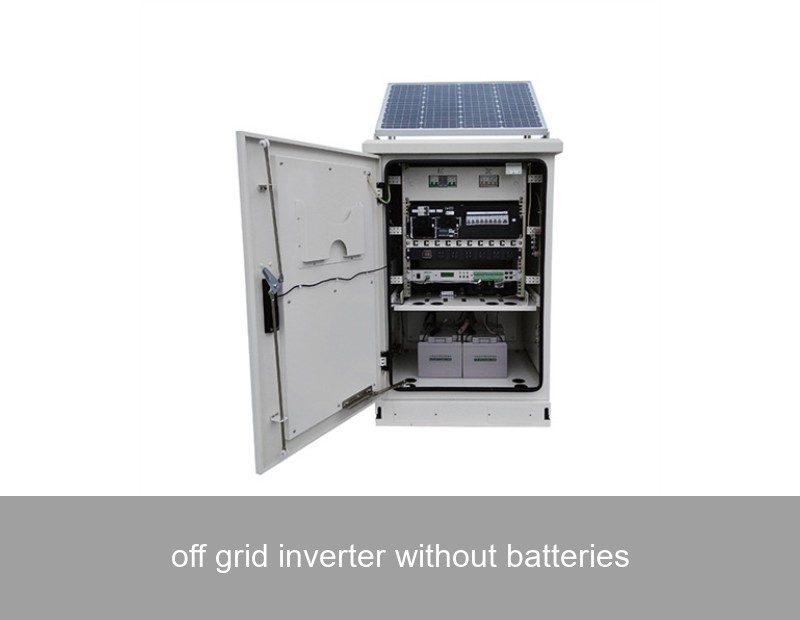
Imagine harnessing the sun's power for your remote cabin, agricultural pump, or construction site, but the thought of expensive, maintenance-heavy batteries gives you pause. You're not alone. The quest for simpler, more cost-effective energy independence is driving innovation. Enter the off-grid inverter without batteries—a game-changing technology that's redefining what's possible in standalone power systems. This article dives deep into how these clever devices work, where they excel, and how companies like Highjoule are integrating this logic into broader, smarter energy solutions for a sustainable future.
Table of Contents
- What is an Off-Grid Inverter Without Batteries?
- How It Works: The Phenomenon of Instantaneous Power
- Real-World Case Study: Irrigation in Southern Spain
- Highjoule's Integrated Approach to Smart Off-Grid Power
- Choosing the Right System for Your Needs
- Looking Ahead: A Question for Your Energy Independence
What is an Off-Grid Inverter Without Batteries?
Traditionally, an off-grid solar system has three core components: solar panels, a battery bank, and an inverter. The panels generate DC (Direct Current) electricity, the batteries store it for use when the sun isn't shining, and the inverter converts the DC power from the panels or batteries into usable AC (Alternating Current) for your appliances.
An off-grid inverter without batteries, often called a "battery-less" or "direct-drive" off-grid inverter, removes the battery from this equation. It's designed to convert solar DC to AC power in real-time and supply it directly to loads only when the sun is shining. Think of it not as a 24/7 power supply, but as a sophisticated, solar-powered "outlet" that comes alive with daylight.

Image: A typical application for battery-less systems: solar-powered water pumping. (Photo by American Public Power Association on Unsplash)
How It Works: The Phenomenon of Instantaneous Power
The core challenge these inverters solve is balancing variable solar generation with immediate demand. Here's the logical step-by-step:
- Step 1: Solar Harvesting: Solar panels produce DC electricity, with power output fluctuating based on sunlight intensity.
- Step 2: Maximum Power Point Tracking (MPPT): The inverter's built-in MPPT controller constantly adjusts electrical operating points to squeeze the absolute maximum power possible from the panels at any given moment.
- Step 3: Instantaneous Conversion & Supply: This harvested DC is instantly converted to clean AC power and fed directly to connected appliances. If the solar generation exceeds the load demand, the excess power is simply not used (or can be diverted to a "dump load" like a water heater).
- Step 4: The Critical Shutdown: When clouds pass over or the sun sets, generation drops. The inverter continuously monitors input. If solar power falls below what's needed for the connected load, it will safely and automatically shut off power output to protect itself and your equipment. Power resumes only when sufficient solar energy returns.
The Data: Key Benefits and Limitations
Understanding where this technology shines—and where it doesn't—is crucial. Let's break it down with a comparative table.
| Aspect | Off-Grid Inverter WITHOUT Batteries | Traditional Off-Grid System WITH Batteries |
|---|---|---|
| Upfront Cost | Significantly Lower (No battery cost) | High (Batteries are major expense) |
| Operating Cost & Maintenance | Very Low (No battery replacements) | Higher (Battery lifecycle management) |
| System Complexity | Simple, Easy to install | More complex, requires ventilation & monitoring |
| Power Availability | Only during sufficient sunlight | 24/7, day and night |
| Environmental Impact | Very Low (No battery manufacturing/disposal) | Higher due to battery chemistry |
| Ideal Use Case | Daytime operations (pumping, ventilation, tools) | Full-time residential, critical loads, nighttime use |
As you can see, the battery-less inverter isn't a one-size-fits-all replacement. It's a specialized tool for specific, economically-driven applications.
Real-World Case Study: Solar-Powered Irrigation in Andalusia, Spain
Let's look at a concrete example from Southern Europe. A mid-sized almond farm in Andalusia faced soaring diesel costs for its irrigation pumps. Their need was clear: pump water during the sunniest hours to maximize crop growth. Nighttime irrigation was unnecessary and even wasteful.
The Solution & Data: The farm installed a 25kW off-grid solar pumping system without batteries. The system comprised:
- 72 high-efficiency solar panels
- A robust, weatherproof battery-less off-grid inverter designed for motor-driven loads.
- The existing irrigation pump and control system.
- Diesel Savings: 100% displacement, eliminating ~8,500 liters of diesel annually.
- Cost Savings: ~€10,200 per year on fuel, with a project payback period under 4 years.
- Operational Simplicity: The system starts and stops automatically with the sun, requiring minimal farmer intervention.
- Carbon Reduction: ~22 metric tons of CO2 emissions avoided yearly. (Source: IRENA - International Renewable Energy Agency)
This case perfectly illustrates the economic and operational logic behind choosing a battery-free solution for aligned energy needs.
Highjoule's Integrated Approach to Smart Off-Grid Power
At Highjoule, we view the off-grid inverter without batteries as a vital component in a broader energy ecosystem. Since 2005, we've specialized in intelligent, efficient power solutions that match the precise needs of commercial, industrial, and residential clients.
While we offer and support high-quality, standalone battery-less inverters for applications like water pumping and daytime ventilation, our true expertise lies in hybrid and scalable systems. We understand that many sites need a mix of immediate solar consumption and reliable backup power.

Image: Modern energy management systems integrate various sources for optimal efficiency. (Photo by Andreas Gücklhorn on Unsplash)
That's where our flagship products, like the Highjoule H-Series Hybrid Energy Hub, come into play. This intelligent system can be configured to:
- Prioritize direct solar consumption during the day (operating like a battery-less system for eligible loads), significantly reducing grid import or generator runtime.
- Seamlessly integrate battery storage for critical loads that must run 24/7, charging the batteries with excess solar.
- Provide generator support and advanced grid-interactive functionalities for microgrids.
Our cloud-based Highjoule EnergyOS platform allows for remote monitoring and control, giving you insights into your solar self-consumption, energy savings, and system health. This holistic approach ensures you get a future-proof solution, not just a single component. For more on grid standards and safety, refer to resources like the U.S. Department of Energy.
Choosing the Right System for Your Needs
So, is an off-grid inverter without batteries right for you? Ask yourself these questions:
- When do my primary loads operate? If the answer is consistently during daylight hours (e.g., 9 AM to 5 PM), it's a strong candidate.
- What is my budget constraint? If upfront capital is a major limiting factor, eliminating batteries dramatically reduces initial investment.
- How critical is uninterrupted power? Can your operation tolerate a sudden shutdown if a cloud passes? If not, you need batteries or a hybrid setup.
- What is the long-term vision for the site? Could future needs require nighttime power? If yes, a scalable Highjoule hybrid system might be the prudent choice.
Looking Ahead: A Question for Your Energy Independence
The technology for clean, off-grid power is more versatile than ever. The simple, robust off-grid inverter without batteries solves real problems for cost-conscious, daytime operations. But the frontier of energy independence is moving towards intelligent, adaptable systems that can start simple and grow with your needs.
What if your next energy system could begin with maximizing direct solar use today, and seamlessly integrate storage or grid support tomorrow, all managed from your smartphone? The real question isn't just about choosing with or without batteries—it's about choosing a path to energy resilience that aligns with your evolving goals. What does the first step on that path look like for you?
 Inquiry
 Online Chat