


La Energía Solar se Puede Almacenar: La Clave para un Futuro Eléctrico 24/7
So, you've got solar panels on your roof or you're considering them. They're fantastic at turning sunshine into clean electricity, slashing your bills and your carbon footprint. But what happens when the sun goes down, or on a cloudy day? The electricity stops, but your need for power doesn't. This is the fundamental question we face: la energía solar se puede almacenar? The answer is a resounding yes, and it's revolutionizing how we think about energy independence. Storing solar energy isn't just a possibility; it's the critical missing piece that transforms solar from a part-time power source into a reliable, round-the-clock energy solution for homes and businesses across Europe and the US.
Table of Contents
- The Sun's Schedule vs. Our Demand: The Core Challenge
- How Does Solar Energy Storage Actually Work?
- The Heart of the System: Modern Battery Technology
- Real-World Impact: A Case Study from Spain
- Beyond the Battery: The Role of Intelligent Energy Management
- The Bigger Picture: Storage and the Future Grid
The Sun's Schedule vs. Our Demand: The Core Challenge
Solar panels produce the most energy in the middle of the day. Ironically, for many households, this is when energy consumption is lowest—people are often at work or school. Peak energy demand typically occurs in the early morning and evening. This creates a temporal mismatch. Without storage, excess solar energy generated at noon is often fed back into the grid (for a feed-in tariff), while you draw expensive power from the grid in the evening. This model limits both your savings and your resilience.
The data is clear. According to the International Renewable Energy Agency (IRENA), the global weighted average capacity factor for solar PV is around 10-25%, meaning they produce at full capacity only for that fraction of the hours in a year. Storage bridges this gap, effectively increasing the "usability factor" of your solar installation to near 100% for your self-consumption needs.
How Does Solar Energy Storage Actually Work?
Think of it like a savings account for your electricity. Your solar panels are your income. Instead of spending all your income (electricity) as it comes in and then borrowing (from the grid) when you have none, you save the surplus for later use. Technically, the process involves a few key components:
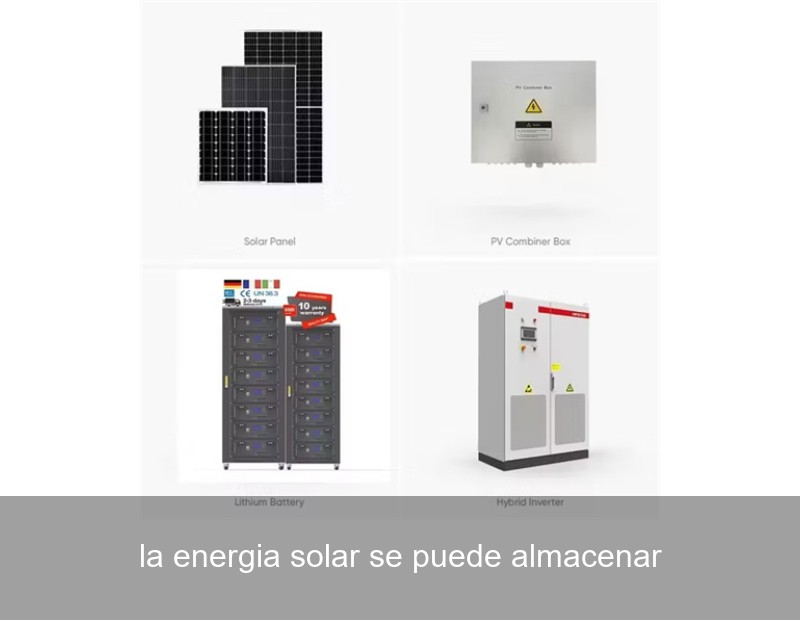
- Solar Panels: Capture sunlight and convert it to direct current (DC) electricity.
- Inverter: Converts DC electricity into the alternating current (AC) used by your home. In a system with storage, you often have a hybrid inverter or a separate battery inverter.
- Battery Storage System: This is the core of the solution. It stores the excess DC or AC electricity (depending on system design) for later use.
- Energy Management System (EMS): The brain of the operation. This intelligent software decides when to charge the battery, when to power your home from the battery, and when to draw from or export to the grid, optimizing for cost or resilience.
When your panels produce more than your home needs, the surplus charges the battery. When production falls (at night or during poor weather), your home seamlessly draws power from the battery, minimizing grid reliance.
The Heart of the System: Modern Battery Technology
Not all batteries are created equal. The shift from lead-acid to lithium-ion technology has been the game-changer for home and commercial storage. Lithium-ion batteries, particularly Lithium Iron Phosphate (LFP), offer higher energy density, longer lifetimes (often 10+ years with thousands of cycles), greater depth of discharge, and enhanced safety—a critical factor for residential installations.
This is where companies with deep expertise make all the difference. At Highjoule, with nearly two decades of experience since 2005, we've focused on perfecting integrated storage solutions. Our Residential PowerWall series isn't just a battery box; it's an all-in-one system featuring LFP battery cells, a built-in hybrid inverter, and our proprietary NeuralGrid AI energy management platform. This integration ensures maximum efficiency, safety, and a user-friendly experience, allowing homeowners to monitor and control their energy flow from a simple smartphone app. For commercial and industrial applications, our Modular C&I Stack provides scalable storage from 100 kWh to multi-MWh levels, enabling factories, farms, and office buildings to manage demand charges, provide backup power, and participate in grid services.
Key Technology Comparison
| Feature | Old Lead-Acid | Modern LFP (e.g., Highjoule) |
|---|---|---|
| Cycle Life | 300-500 cycles | 6,000+ cycles |
| Depth of Discharge | ~50% recommended | 90%+ usable |
| Energy Density | Low | High |
| Safety Profile | Risk of acid leak, gas venting | Chemically stable, no thermal runaway |
| Maintenance | Regular required | Virtually maintenance-free |
Real-World Impact: A Case Study from Spain
Let's move from theory to practice. Consider a medium-sized winery in the Andalusia region of Spain. With abundant sunshine, they installed a 200 kW solar array. However, their energy-intensive refrigeration and bottling processes often ran into the evening, causing high grid consumption and peak demand charges. They were generating solar energy but couldn't fully utilize it.
In 2023, they integrated a Highjoule C&I Stack system with 250 kWh of storage. The results, monitored over one year, were compelling:
- Self-Consumption Rate Increased: From 35% to 82%.
- Grid Energy Cost Reduced: By 68%, thanks to avoiding peak-time tariffs and leveraging stored solar power.
- Demand Charge Management: The system's intelligent discharge during short, high-power operations smoothed their grid demand, cutting monthly capacity charges by over 40%.
- Backup Power: The system now provides critical backup for refrigeration units, protecting inventory during grid outages.
This case, mirrored by many across Europe and the US, proves that la energía solar se puede almacenar with dramatic economic and operational benefits. The project also contributed to the winery's sustainability certification, a valuable marketing asset. You can read more about grid integration challenges in the European context from the European Network of Transmission System Operators (ENTSO-E).

Image: A solar installation at an agricultural site. Source: Unsplash (Representative image)
Beyond the Battery: The Role of Intelligent Energy Management
Hardware is only half the story. The true magic of a modern storage system lies in its software. A smart Energy Management System (EMS) uses weather forecasting, electricity price signals (in dynamic tariff markets), and your historical consumption patterns to make intelligent decisions. Should it charge the battery fully from solar today because a cloudy tomorrow is forecast? Should it sell a small amount back to the grid at 5 PM when prices are highest, or save it for your own 7 PM peak?
Highjoule's NeuralGrid AI platform does exactly this. It learns your home or business's energy personality and continuously optimizes for your goals—whether that's maximizing financial return, maximizing green self-consumption, or ensuring ultimate backup readiness. This transforms a static battery into a dynamic financial and energy asset.
The Bigger Picture: Storage and the Future Grid
On a larger scale, widespread solar storage is a cornerstone of the decarbonized, resilient "smart grid." Distributed storage systems can aggregate to form virtual power plants (VPPs), providing stability services to the national grid and helping to integrate even higher levels of renewable energy. This means your home battery isn't just helping you—it's helping to balance the entire electricity network, preventing blackouts and reducing the need for fossil-fuel-powered peaker plants. The National Renewable Energy Laboratory (NREL) in the US extensively researches this distributed energy future.
So, the next time you ask, "la energía solar se puede almacenar?", know that the technology is not only mature and accessible but also intelligent and grid-supportive. It's the logical next step for anyone serious about energy independence, cost control, and sustainability.

Image: A modern sustainable home with solar and EV charging. Source: Unsplash (Representative image)
Given your specific energy profile and goals, what would be the primary driver for you to explore storing your solar energy—is it achieving complete energy self-sufficiency, locking in predictable energy costs, or contributing to a more resilient community grid?
 Inquiry
 Online Chat