


Powering Your Freedom: A Complete Guide to Off-Grid Päikesepaneelid
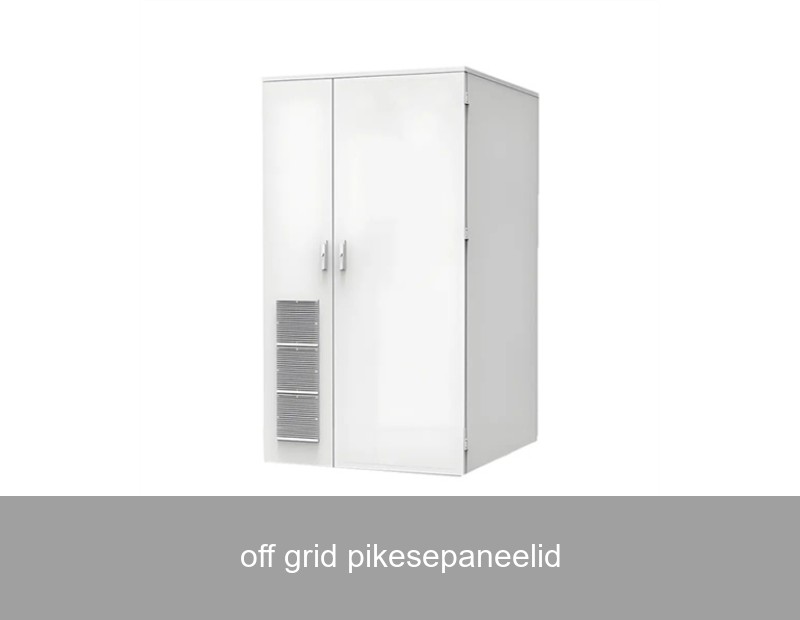
Imagine a home, cabin, or remote business that operates entirely on its own terms, free from the grid's constraints and costs. This is the promise of off-grid päikesepaneelid (solar panels) – a self-sufficient energy system that captures the sun's power to provide complete energy independence. For property owners in sunny rural areas of Europe or remote locations in the US, the appeal is undeniable: no monthly electricity bills and resilience against outages. But moving off-grid is more than just mounting panels on your roof. It's about designing a sophisticated, reliable ecosystem that generates, stores, and manages power 24/7. This guide will walk you through everything you need to know, from core components to real-world results, helping you understand if an off-grid solar system is the right key to your energy freedom.
Table of Contents
- What is a True Off-Grid Solar System?
- Core Components of a Reliable Off-Grid System
- Planning Your System: Sizing and Key Considerations
- Real-World Case Study: An Estonian Farmstead
- Technology Advancements Making Off-Grid Easier
- How Highjoule Powers Off-Grid Independence
- Is Off-Grid Solar Your Next Step?
What is a True Off-Grid Solar System?
An off-grid solar system, often called a standalone power system (SAPS), is designed to function without any connection to the public utility grid. Unlike grid-tied systems that send excess power back to the utility, an off-grid system must produce all the electricity needed on-site. This fundamental difference creates a unique set of challenges and requirements. The system must be meticulously sized to handle your energy loads through seasonal variations, from the long, bright days of summer to the short, cloudy days of winter. It's not merely a product you buy; it's a custom-engineered solution for a specific location and lifestyle.
Core Components of a Reliable Off-Grid System
Four key components work in concert to keep the lights on around the clock.
1. Päikesepaneelid (Solar Panels)
These are your fuel source. For off-grid applications, high-efficiency monocrystalline panels are often preferred, as they generate more power in limited roof or ground space. The total panel array capacity (measured in kilowatts-peak, kWp) is the starting point of your system's energy production.
2. Battery Energy Storage System (BESS)
This is the heart of off-grid living. Since the sun doesn't shine at night, all excess solar energy generated during the day must be stored for use later. The battery bank's capacity (measured in kilowatt-hours, kWh) determines how long you can run without sun. Modern systems use Lithium Iron Phosphate (LiFePO4) batteries due to their long lifespan, safety, and excellent depth of discharge.

Image Source: Unsplash - A modern lithium-ion battery bank is crucial for off-grid storage.
3. Solar Charge Controller
This device acts as a regulator, managing the flow of electricity from the panels to the batteries. It prevents overcharging, which can damage batteries. Maximum Power Point Tracking (MPPT) controllers are the industry standard for off-grid, as they optimize the harvest from your panels, especially in variable weather.
4. Inverter
Batteries and solar panels produce direct current (DC), but your home appliances run on alternating current (AC). The inverter converts DC to usable AC power. For off-grid systems, a pure sine wave inverter is essential to safely and efficiently run sensitive electronics, tools, and appliances.
| Component | Primary Function | Key Consideration for Off-Grid |
|---|---|---|
| Solar Panels | Generate DC electricity from sunlight | High efficiency, durability in harsh weather |
| Battery Storage | Stores excess energy for use when sun is down | Capacity (kWh), lifespan, depth of discharge, safety (LiFePO4) |
| Charge Controller | Regulates charging of batteries from panels | MPPT type for maximum energy harvest |
| Inverter | Converts DC from batteries/panels to AC for home | Pure sine wave output, power rating (kW) to handle peak loads |
Planning Your System: Sizing and Key Considerations
Under-sizing leads to blackouts; over-sizing leads to unnecessary expense. Proper planning is critical.
- Energy Audit: List every appliance, its wattage, and hours of use per day to calculate your total daily kWh consumption. Don't forget seasonal loads like water pumps or heating elements.
- Autonomy Days: How many consecutive cloudy days should your system withstand? In Northern Europe, 3-5 days of autonomy is common, requiring a larger battery bank.
- Climate & Solar Irradiance: The same 5kW array produces less annual energy in Estonia than in Arizona. Use local solar data for accurate production estimates. You can check historical solar data for your region from authoritative sources like the European Commission's PVGIS tool.
- Backup Generator: Most robust off-grid systems include a diesel or propane generator as a backup for extended poor weather, ensuring 100% reliability.
Real-World Case Study: An Estonian Farmstead
Let's look at a practical example from Southern Estonia. The Tamm family owns a 150-square-meter year-round farmhouse with no grid connection. Their primary loads include a water pump, refrigerator, lighting, laptops, a washing machine, and a small electric boiler for radiant floor heating.
- Challenge: Achieve full energy independence through harsh Baltic winters with limited daylight.
- Solution: A custom-designed 12 kWp solar array (using 30 high-efficiency panels), coupled with a 40 kWh Highjoule Fortis lithium iron phosphate battery system. A 10 kW hybrid inverter manages the flow, and a 8 kW propane generator provides backup.
- Data & Results: In its first full year, the system generated 9,800 kWh. The family's consumption was 8,200 kWh, meaning the system had a healthy production buffer. The generator automatically ran for only 120 hours total during the deepest winter months. Their calculated return on investment, considering the avoided cost of a grid connection (over €15,000) and annual fuel savings, is under 8 years.

Image Source: Unsplash - Off-grid homes must be designed for all seasons.
Technology Advancements Making Off-Grid Easier
Today's technology has dramatically improved off-grid reliability and user experience.
- Smart Hybrid Inverters: These all-in-one units combine the inverter, charge controller, and grid/generator starter in one intelligent device, optimizing energy flow automatically.
- Advanced Battery Management Systems (BMS): Modern BMS units in batteries like Highjoule's Fortis series provide precise cell monitoring, thermal management, and remote diagnostics via an app, maximizing safety and lifespan.
- Energy Management Software: Systems can now learn your usage patterns and automatically prioritize solar for high-load appliances, or schedule the generator to run at optimal times to top up batteries efficiently.
How Highjoule Powers Off-Grid Independence
At Highjoule, with nearly two decades of experience in advanced energy storage, we understand that off-grid systems demand unparalleled reliability. Our solutions are engineered for the most demanding standalone applications.
Our Fortis Series of modular lithium battery storage systems is a cornerstone for off-grid projects. With a cycle life exceeding 6000 cycles and the ability to discharge to 100% depth of discharge (DOD) without damage, they provide the durable, long-term storage backbone required. Their modular design allows you to start with a 10 kWh unit and expand to over 100 kWh as your needs grow.
Furthermore, we don't just supply components; we provide integrated system design support. Our team works with certified installers across Europe and the US to model your energy needs, simulate annual production with local weather data, and specify a system that balances performance, reliability, and budget. For complex microgrid or industrial off-grid applications, our Energy Management Platform offers granular control and monitoring, ensuring every kilowatt-hour is used intelligently. You can explore the technical specifications and safety standards behind modern battery storage at the U.S. Department of Energy's Solar Energy Technologies Office.
Is Off-Grid Solar Your Next Step?
The journey to energy independence is both exciting and complex. It requires honest assessment: Are you prepared to be mindful of your energy consumption? Is your property suitable with good solar exposure? The initial investment is significant, but the long-term payoff is freedom, predictability, and a profound connection to the sustainable energy you produce.
What unique challenge about your location or project makes you consider taking complete control of your power?
 Inquiry
 Online Chat