


On-Grid and Off-Grid Solar: Choosing Your Path to Energy Independence
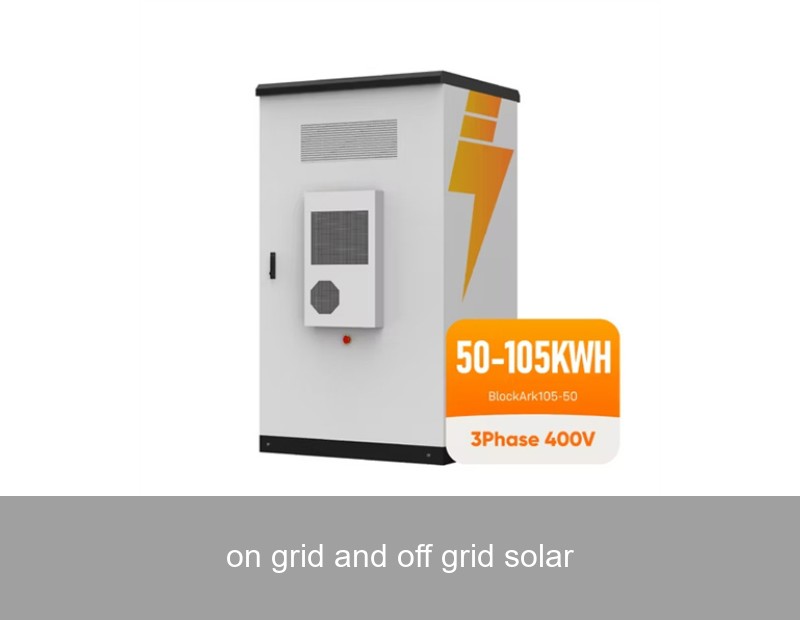
Have you ever looked at your electricity bill and wondered, "What if I could generate my own power?" You're not alone. Across Europe and the US, homeowners and businesses are turning to solar energy. But the journey often starts with a fundamental question: should I stay connected to the utility grid, or break free entirely? Understanding the difference between on-grid and off-grid solar systems is the first, crucial step. This choice isn't just about technology; it's about your energy philosophy, financial goals, and resilience needs. Let's demystify these two paths and explore how modern solutions, like those from Highjoule, are even blurring the lines between them, offering the best of both worlds.
Table of Contents
- What Are On-Grid and Off-Grid Solar Systems?
- The On-Grid Solar System: Your Collaborative Power Partner
- The Off-Grid Solar System: Your Personal Energy Fortress
- The Hybrid Future: Blending Grid Security with Battery Independence
- A Real-World Case: The German Bakery Embracing Energy Resilience
- Making Your Choice: Key Questions to Ask
What Are On-Grid and Off-Grid Solar Systems?
At its core, the distinction is simple. An on-grid solar system (or grid-tied system) is connected to the public electricity grid. It works in harmony with it, sending excess power you generate back to the grid and drawing from it when your solar panels aren't producing enough. An off-grid solar system operates as a self-contained island. It has no physical connection to the utility grid and must generate and store 100% of the electricity needed on-site, typically using a significant battery bank.
Think of it like water supply: an on-grid system is like having a private well connected to the city mains—you use your well first, but you can always get city water if needed. An off-grid system is like relying solely on your well and a large storage tank; if the well runs dry, you're out of water until it rains again.
The On-Grid Solar System: Your Collaborative Power Partner
This is the most common type of solar installation, especially in urban and suburban areas in Europe and the US. Here’s how it works and why it's popular.
How It Works & The Net Metering Advantage
Solar panels on your roof convert sunlight into DC electricity. An inverter transforms this into AC electricity for your home. The magic happens at your main electrical panel:
- Self-Consumption: Your home uses the solar electricity first, in real-time.
- Export to Grid: Any excess power is automatically fed back into the utility grid.
- Import from Grid: At night or on cloudy days, you seamlessly draw power from the grid.
This back-and-forth is managed through net metering. Your utility meter spins backwards when you export and forwards when you import. At the end of the billing period, you are billed only for the "net" energy used. In many regions, this can drastically reduce or even eliminate your electricity bill.
Pros and Cons of Going On-Grid
| Advantages | Considerations |
|---|---|
|
|
The Off-Grid Solar System: Your Personal Energy Fortress
Off-grid systems are the ultimate expression of energy independence. They are essential for remote cabins, rural properties, or for anyone determined to be completely self-reliant.

Image Source: Unsplash - Example of a remote off-grid solar setup.
The Critical Role of Energy Storage
An off-grid system's heart isn't just the panels; it's the battery bank. Since there's no grid to fall back on, you must store enough energy to cover consumption during nights and periods of poor weather. This requires:
- Oversized Solar Array: To generate enough surplus power to charge batteries on short winter days.
- Large Battery Capacity: To store several days' worth of energy (known as "days of autonomy").
- Backup Generator: Often a diesel or propane generator is included as a backup for extended cloudy periods.
Pros and Cons of Going Off-Grid
| Advantages | Considerations |
|---|---|
|
|
The Hybrid Future: Blending Grid Security with Battery Independence
What if you could have the financial benefits of net metering and the backup security of batteries? Enter the hybrid solar system (or grid-tied with battery storage). This is where companies like Highjoule excel, providing intelligent solutions that bridge the gap.
A hybrid system remains connected to the grid but incorporates a battery storage system like the Highjoule HPS Series. This isn't just an add-on; it's an integrated, intelligent energy manager. Here’s what it enables:
- Backup Power: When the grid fails, the system automatically isolates your home (forming a "microgrid") and powers critical loads from the battery.
- Load Shifting & Self-Consumption Optimization: Store your excess solar energy in the battery to use at night, instead of selling it cheaply to the grid and buying it back at a higher rate later. This is becoming crucial as net metering policies evolve.
- Grid Services Support: Advanced systems can even provide stability services to the local grid if permitted.
Highjoule's Energy Management System (EMS) intelligently decides, in real-time, whether to power your home, charge the battery, or export to the grid, maximizing your economic return and resilience. This represents the modern approach for most homeowners in the US and Europe who want the best of both on-grid and off-grid solar philosophies.
A Real-World Case: The German Bakery Embracing Energy Resilience
Let's look at a concrete example from Bavaria, Germany. A family-owned bakery, "Brotzeit Meister," faced two problems: volatile energy costs eating into profits and the risk of spoilage during even brief grid outages. Their goal was to lower operational costs and ensure uninterrupted refrigeration.
They installed a 50 kW rooftop solar array paired with a Highjoule C&I (Commercial & Industrial) Battery Storage System with a capacity of 120 kWh. The system is grid-tied but operates in a strategic, hybrid mode.
The Results (Data from first year of operation):
- Grid Independence: Achieved 78% self-consumption of solar energy, up from 35% before adding storage.
- Cost Savings: Reduced their electricity bill by over 60%, with a projected payback period of under 7 years.
- Resilience: The system automatically provides full backup power for all refrigeration and essential baking equipment for up to 10 hours during a grid outage.
This case, documented in a Fraunhofer ISE report on commercial PV applications, illustrates the hybrid model's power. The bakery didn't go off-grid, but it gained decisive control over its energy destiny.
Making Your Choice: Key Questions to Ask
So, which path is right for you? Ask yourself these questions:
- What is my primary motivation? (Saving money, backup power, total independence, environmental impact?)
- How reliable is my grid? (Frequent outages make battery storage more valuable.)
- What are my local net metering and incentive policies? (Check with your utility and DSIRE for the US.)
- What is my budget? (Off-grid requires a larger initial investment.)
For the vast majority in Europe and the US, a grid-tied system with the potential for future battery storage or an immediate hybrid installation is the most practical and cost-effective path. It provides savings today and a clear upgrade path for resilience tomorrow.
At Highjoule, with nearly two decades of experience since 2005, we specialize in crafting these intelligent hybrid solutions. Whether for a residential homeowner seeking peace of mind, a commercial business aiming to lock in energy costs, or a complex microgrid project, our systems are designed to be smart, efficient, and sustainable. We don't just sell hardware; we provide a tailored power solution that grows with your needs.
Ready to Map Your Energy Journey?
The landscape of on-grid and off-grid solar is no longer a binary choice. With intelligent hybrid technology, you can chart a personalized course. What specific energy challenge is holding your home or business back from greater sustainability and control?
 Inquiry
 Online Chat