


Choosing the Right On-Grid BESS Supplier: A Guide for Energy Resilience
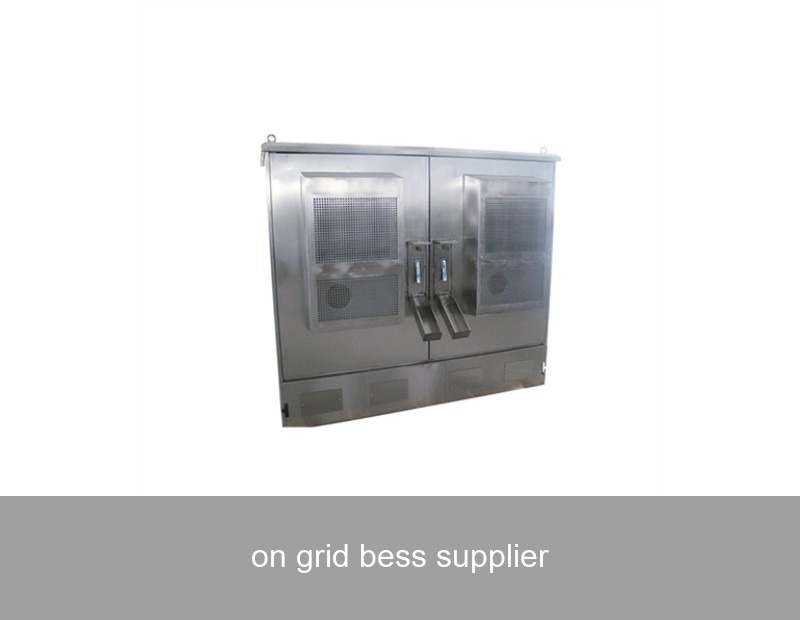
As grid stability becomes a growing concern and energy prices continue to fluctuate, more businesses and homeowners are looking towards on-grid battery energy storage systems (BESS) as a smart solution. But the key to unlocking true value lies not just in the hardware, but in selecting a knowledgeable and reliable on-grid BESS supplier. This guide will walk you through the critical considerations, blending industry insights with practical advice to help you make an informed decision for your energy future.
Table of Contents
- The Modern Grid Reality: Why On-Grid BESS is No Longer Optional
- Beyond the Battery: What Truly Differentiates a Top On-Grid BESS Supplier
- Case Study: A German Manufacturing Plant's Journey to Resilience
- The Highjoule Approach: Intelligent Storage for a Demanding Grid
The Modern Grid Reality: Why On-Grid BESS is No Longer Optional
Let's face it: our electrical grids are under unprecedented stress. The rapid integration of intermittent renewable sources like solar and wind, coupled with increasing demand from electrification and extreme weather events, is creating a perfect storm of volatility. You've likely experienced the symptoms firsthand—brief power dips, or heard about the risk of rolling blackouts during heatwaves.
The data paints a clear picture. According to the International Energy Agency (IEA), achieving national climate and clean energy goals will require adding or refurbishing over 80 million kilometres of power lines by 2040—an investment that takes time. In the interim, on-grid BESS acts as a critical shock absorber. These systems connect directly to your building's electrical panel and the utility grid, allowing you to store energy when it's cheap or abundant (from your solar panels or the grid) and use it when it's expensive or during an outage, seamlessly.

This isn't just about backup power; it's about active energy management. A sophisticated on-grid system can perform peak shaving (reducing draw during high-cost utility rate periods), provide frequency regulation services to help stabilize the grid, and maximize self-consumption of solar generation. The right on-grid BESS supplier will help you navigate these value streams.
Beyond the Battery: What Truly Differentiates a Top On-Grid BESS Supplier
Many suppliers can source lithium-ion cells and package them into a cabinet. But the battery module is just one component. The true intelligence—and the key to long-term performance and ROI—lies in the system integration and software. When evaluating a on-grid BESS supplier, look beyond the spec sheet and consider these pillars:
- System Intelligence & Software: The energy management system (EMS) is the brain. Can it adapt to changing weather, utility rates, and your consumption patterns? Does it offer user-friendly monitoring and control?
- Grid Integration Expertise: A top supplier understands local utility interconnection standards (like UL 9540 in the US or CE marking in Europe) and can navigate the permitting process. Their inverters should be certified for grid-support functions.
- Safety & Warranty Depth: Look for a supplier with a robust, multi-layered safety philosophy covering cell chemistry, thermal management, and electrical safety. Warranty terms (e.g., 10 years, 70% retained capacity) reflect confidence in their product.
- Lifecycle Support: Will they be there in 8 years? Consider the supplier's financial stability, local service network, and technical support capabilities.
Case Study: A German Manufacturing Plant's Journey to Resilience
Consider the real-world example of a mid-sized automotive parts manufacturer near Stuttgart. Facing rising grid demand charges and concerned about voltage sags affecting sensitive robotic welding equipment, they partnered with a leading on-grid BESS supplier to install a 500 kWh / 750 kW system.
| Metric | Before BESS | After BESS |
|---|---|---|
| Peak Demand Charge | €45,000 per month (avg.) | €28,000 per month (avg.) |
| Grid Dependency During Peak | 100% | 40% |
| Voltage Dip Events | 8-10 per quarter | 0 (system provides seamless bridging power) |
| Estimated Payback Period | N/A | 4.2 years |
The system was configured for automated peak shaving and frequency containment reserve (FCR) participation in the German grid market. The supplier's software dynamically optimizes the battery's activity every few seconds, prioritizing cost savings while keeping a reserve for power quality events. This dual-revenue stream model transformed the BESS from a cost center into a profit-generating asset. As reported by the Fraunhofer Institute for Solar Energy Systems, such intelligent operational strategies are crucial for the economic viability of commercial storage in Europe.
The Highjoule Approach: Intelligent Storage for a Demanding Grid
At Highjoule, with nearly two decades of experience since 2005, we've built our reputation as a global on-grid BESS supplier on the very pillars outlined above. We understand that an on-grid system must be a resilient, grid-friendly citizen and a shrewd financial asset.
Our flagship product line, the HPS (Highjoule PowerStack) Series, is engineered for commercial and industrial applications. It features a modular design that scales from 100 kWh to multi-megawatt installations, all controlled by our Adaptive Grid OS™. This proprietary software platform doesn't just react; it forecasts. By integrating weather data, utility tariff schedules, and production forecasts from onsite solar, it creates an optimal 24/7 operating plan to maximize your savings and revenue.

For us, safety is non-negotiable. The HPS system incorporates a patented multi-stage cooling system and cell-level fusing, with all designs certified to the latest international standards. But our partnership goes beyond delivery. Our team provides comprehensive grid integration support, helping you through utility interconnection agreements, and offers flexible service contracts to ensure your system performs optimally for its entire lifespan. Whether it's a large industrial facility in Texas seeking demand charge management or a community microgrid in Spain aiming to increase renewable hosting capacity, Highjoule delivers tailored solutions.
Making the Strategic Choice for Your Needs
Selecting your on-grid BESS supplier is a strategic decision with decade-long implications. Start by clearly defining your goals: Is your primary driver cost reduction, resilience, sustainability, or a combination? Analyze your utility bills to understand your consumption profile and tariff structure. Then, engage with potential suppliers with a detailed request for proposal (RFP). Ask them not just for equipment specs, but for a detailed financial projection, a plan for grid interconnection, and evidence of similar successful deployments.
The energy landscape is shifting from a one-way flow to an interactive, intelligent network. Your choice of storage partner will determine your place in that new landscape. Will you be a passive consumer, or an active, resilient participant in control of your energy costs and destiny?
What is the single biggest energy challenge your business or home faces that a smart, on-grid battery system could help solve today?
 Inquiry
 Online Chat