


Unlocking Energy Freedom: How an Opti Solar Hybrid Inverter Transforms Your Power Supply
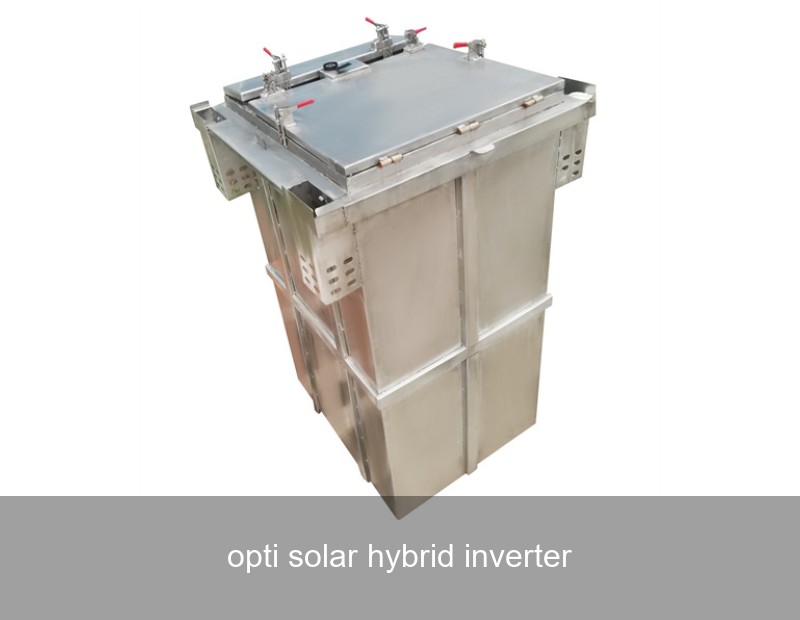
Have you ever watched your solar panels working hard on a bright day, only to wonder if you're truly getting the most out of every sunbeam? Or felt a pang of anxiety when the lights flicker during a storm, knowing your grid-dependent home or business is vulnerable? You're not alone. Across Europe and the US, a quiet energy revolution is underway, moving beyond simple solar generation to intelligent, resilient power management. At the heart of this shift is a critical piece of technology: the opti solar hybrid inverter. Unlike traditional inverters, a hybrid model is the intelligent command center for your energy ecosystem. It doesn't just convert solar DC power to usable AC; it dynamically manages multiple energy flows—from your solar panels, your battery storage, and the grid—optimizing for self-consumption, cost, and reliability. Let's explore how this technology is redefining energy independence.
The Challenge: Grid Instability & Rising Energy Costs
The modern energy landscape presents a dual challenge. First, grid infrastructure in many parts of Europe and North America is aging, leading to increased frequency and duration of power outages. The International Energy Agency (IEA) highlights that massive investment is needed to modernize grids for renewable integration. Second, energy price volatility has become the new normal, with geopolitical events and demand spikes causing significant bill shocks for homeowners and businesses alike. Relying solely on the grid means being exposed to these twin risks. The solution isn't just generating your own solar power; it's having the smart technology to control it seamlessly.

Image Source: Unsplash. A modern home energy system combining solar and storage, managed by an intelligent hybrid inverter.
The Data: Why Power Independence is No Longer a Luxury
The economic and practical case for systems centered on a high-performance opti solar hybrid inverter is compelling. Consider this: a typical household with solar but no battery only uses 30-50% of its self-generated energy on-site, exporting the rest to the grid at lower rates. With a hybrid system, self-consumption can soar to 70% or more. For commercial operations, peak demand charges can constitute up to 50% of an electricity bill. An intelligent hybrid system can dispatch stored battery power during these peak periods, slashing those charges immediately. The U.S. Energy Information Administration notes that the average U.S. customer experienced just over 5 hours of power interruptions in 2021. For a business, that's lost revenue; for a family, it's potential hardship.
Case Study: A Bavarian Bakery's Recipe for Energy Resilience
Let's look at a concrete example from our work at Highjoule. "Bäckerei Schmidt," a mid-sized artisan bakery in southern Germany, faced crippling energy costs. Their refrigeration, ovens, and lighting created a high baseload with sharp peaks in the early morning. Their existing solar system was underutilized, and grid outages threatened to spoil inventory.
Highjoule's solution was built around our HPS Series Opti-Hybrid Inverter. We integrated a new solar array with a 40kWh battery storage system, all managed by the inverter's advanced logic. The system was programmed to:
- Prioritize solar power for daytime operations and battery charging.
- Use stored battery power to cover the 4 AM - 7 AM baking peak, avoiding grid draw during the most expensive tariff period.
- Maintain a critical backup reserve for refrigeration during any grid outage.
| Metric | Before Highjoule System | After Highjoule System |
|---|---|---|
| Grid Energy Consumption | 100% | 35% |
| Peak Demand Charges | €1,200/month (avg.) | €280/month (avg.) |
| Energy Cost Savings | Baseline | 62% reduction |
| Self-Consumption of Solar | ~48% | 94% |
The bakery now enjoys unparalleled energy security and predictability, turning an operational cost into a competitive advantage.
Key Features: Beyond Conversion, Intelligent Optimization
So, what should you look for in a true opti solar hybrid inverter? The key lies in the "optimization" aspect.
- Multi-Mode Flexibility: Seamlessly switch between grid-tied, off-grid, and backup power modes. The best units do this automatically within milliseconds.
- Advanced Battery Management (BMS) Integration: Direct communication with various battery chemistries (like LiFePO4) ensures longevity, safety, and performance.
- Smart Load Management & Peak Shaving: The inverter can be programmed to power essential loads during outages and automatically reduce grid draw during expensive peak hours.
- Grid Services Readiness: In some markets, advanced inverters can participate in grid stabilization programs, creating a potential future revenue stream.

Image Source: Unsplash. The clean, integrated design of a modern hybrid inverter unit.
Highjoule's Integrated Solutions: The Power of a Unified System
At Highjoule, we believe the inverter shouldn't be an isolated component. Since 2005, we've engineered it to be the brain of a fully synchronized energy system. Our HPS Series Opti-Hybrid Inverter is the core of our commercial and industrial solutions, while the HomePower Hub brings this intelligence to residences. They are designed from the ground up to work flawlessly with Highjoule's modular battery cabinets and our proprietary EnergyOS platform.
What does this integration mean for you? Simplified design, a single point of warranty and support, and most importantly, superior performance. Our EnergyOS software provides intuitive monitoring and control via a smartphone app, offering insights into energy flows, savings, and system health. It allows for custom energy profiles—like "Maximum Savings" or "Storm Watch—that automatically adjust system behavior. For our business clients, this level of control and data is invaluable for sustainability reporting and financial planning.
The Highjoule Advantage for Your Project
- Proven Reliability: Over 15 years of field deployment in diverse climates from Scandinavia to Southern California.
- Scalability: Systems designed to grow with your needs, from a residential setup to a multi-megawatt industrial microgrid.
- Comprehensive Support: Our network of certified partners provides local expertise for installation, maintenance, and optimization.
The Future: Your Home or Business as a Smart Energy Node
The journey towards a sustainable energy future is not just about generation—it's about intelligent management. An optimized opti solar hybrid inverter system transforms a passive consumer into an active energy manager. It turns your property into a resilient node, capable of operating independently, supporting the community grid, and maximizing financial return on your energy assets.
As electric vehicle charging becomes ubiquitous and time-of-use rates more common, the logic of having a smart energy brain in your home or facility will only become more undeniable. The question is no longer if you should consider such a system, but how to design the right one for your specific energy profile and goals.
What is the single biggest energy challenge—be it cost, reliability, or sustainability—that keeps you up at night, and how might rethinking the role of your inverter help solve it?
 Inquiry
 Online Chat